Full public portfolio export · generated from the rendered React portfolio

Martina Dogancic — My Story, My Path, My Vision

This no-JavaScript export contains the public portfolio sections, workshop research routes, curriculum routes and the public links rendered by the interactive portfolio.

About Me

About Me

Martina Dogancic

born Zupanic

My path, my story, and where I'm headed next.

I have fifteen-plus years across retail, hospitality, entrepreneurship, and consulting. Along the way, I created a world-first food innovation called Glow in the Dark Food, founded my own restaurant, and became a MasterChef finalist — all while building a career around turning ideas into something real. But the achievement that means the most to me is raising my wonderful daughter, now 15, as a full-time single mum — by myself and without support. After a workplace injury changed what my body can do, I'm rebuilding a career around everything I know instead. This page exists so you can meet the whole picture at once.

📍 Fermoy, Co. Cork, Ireland🌍 Originally from Croatia🍳 15+ years, food & operations
Portrait of me, Martina Dogancic, born Zupanic

A clearer starting point

I am not starting over — I am finding a more sustainable way to use what I already know.

I am rebuilding my career after a workplace injury made heavy physical work unsustainable. I bring 15+ years of experience in food, hospitality, operations, leadership, entrepreneurship, and customer-facing work. Since my injury, I have been developing practical digital projects, researching community-education ideas, and building my skills in UX, AI-assisted app creation, content, and service design. I am looking for guidance in identifying a sustainable career direction where I can combine practical knowledge, creativity, communication, and digital learning.

What I bring

Leadership, operations, food knowledge, research, creativity, communication, and digital experimentation.

What I am exploring

Community education, food education, research, UX, digital content, programme coordination, and training.

What I need help identifying

The most realistic and sustainable career path, suitable roles, training priorities, and possible funding or support.

Where It Began

I grew up in Croatia and trained as a sanitary technician straight out of secondary school. My first job was with a pest control and sanitation company — inspecting restaurants, hotels, and food facilities for HACCP compliance. I wasn't hired to lead anything, but within a year and a half I was effectively running the operation: negotiating contracts across the country, submitting proposals to municipalities, and spending up to seven months a year on the road — all before I turned twenty.

That pace eventually pushed me toward something steadier. I joined VIPnet (Vodafone Croatia) and worked my way from call-center agent to dedicated account manager for two major corporate clients. The job was stable, but it was there — when the company invited employees to submit ideas for redesigning seven meeting rooms — that I found my first real creative outlet. I entered the competition and won. As my prize, I could choose from several courses that counted as formal specializations and could be added to my employment record. I chose web design, and that was where I started following technology more closely. My winning idea traced the history of mobile telephony from Alexander Graham Bell to the smartphone, and it was the first time I felt what I call "the magic of creativity." I never forgot that feeling.

Finding My Palate

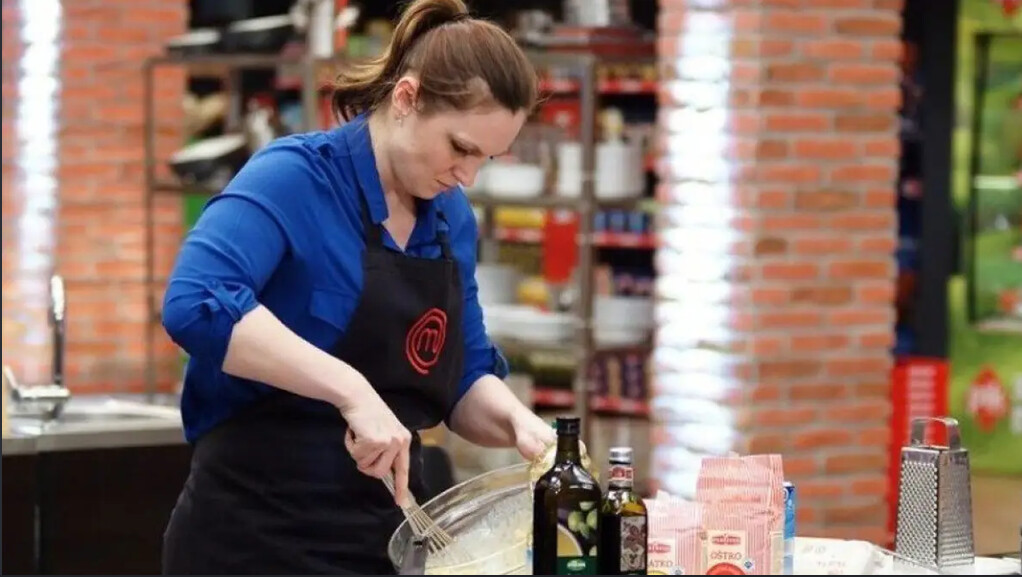
While I was working at VIPnet, I received an offer to take over and lead a real estate agency. I accepted it and spent about a year bringing order to a fully paper-based, disorganized operation. I became pregnant during that time and took maternity leave. After returning, I joined QUADRO-Intronic, the Croatian distributor, as a Key Account Sales Assistant. It was after that chapter that I followed a friend's suggestion and applied to MasterChef Croatia. I placed 9th — and realized, almost by accident, how much I actually knew about food. What followed was a genuine second career: intensive training in international cuisine and molecular gastronomy, and an original invention called Glow in the Dark Food. It drew serious media attention, but as a single mother with a young daughter, I chose not to chase it around the world.

Instead, I built Chevaprolls — my own restaurant, reinventing traditional Balkan ćevapi as a baked, hand-held street food. Within six months it was one of the ten most-visited new restaurants in Croatia. Then the street outside was dug up for three months of sewer work, and no amount of cost-cutting or delivery pivoting could save it. I call it my first real professional failure, and the one that taught me the most.

Turning Restaurants Around

After Chevaprolls closed, I chose to put my daughter first for a while. Later, an old contact who'd seen my work offered me a job as a Restaurant Manager within Adria Grupa's gastro sector. I was assigned to lead a restaurant next to one of Croatia's largest hospitals, with 11 employees and two months of complete autonomy to prove myself. I fixed broken equipment, rebuilt a fractured kitchen team, overhauled an embarrassing hotel catering contract, and grew foot traffic 40% in three months, entirely on my own.

That result got me promoted to Coordinator over all ten of the group's restaurants — serving clients like Coca-Cola, Croatian Radio Television, and the Croatian National Bank — and I repeated the same turnaround in every single one. It's not a one-off skill. It's a playbook.

Adapting Through Crisis

After leaving Adria Grupa, about three months before COVID, I received an offer to work as a consultant for Vladimir Budija, a business owner with several companies — and one of my professional references on this page. One of his companies was a restaurant that was still finding its feet, and I helped him shape its concept. I accepted the consulting role because it gave me something I valued deeply: more time with my daughter.

While working from home for Vladimir, I was also building experience through several roles and freelance projects in parallel. I worked as an online exam proctor for MonitorEDU, an American company, supervising candidates in English — work that strengthened my spoken English and verbal communication. I also took on freelance projects in branding, websites, UX, SEO, lead generation, and marketing, including Backstore, Kruhologija, and Hortus Kreativa. These were not separate chapters one after another; I managed them alongside my consulting work, from home, while keeping the flexibility I needed as a mother.

The company I worked through was TENA BE. About a month after I started, the COVID-19 pandemic arrived. When lockdowns hit, I converted the restaurant concept to delivery-only within a week — new menus, new supplier terms, onboarded to Glovo and Deliveroo. His other company, Backstore, was an automated procurement and stock-management platform; working alongside it gave me hands-on exposure to software and business automation. I spent the quieter months of the pandemic teaching myself Photoshop and web design, eventually building a full company website from scratch. When Croatia's restaurant industry collapsed post-pandemic — seven of the ten restaurants I'd run closed for good — there simply wasn't a food-industry career left to return to.

A New Country

With no food-industry career left to return to in Croatia, I carried out detailed market research. I concluded that I needed to move to a more economically stable country where my experience could still have a future. Ireland became the logical choice: a mentality that felt familiar to me as a Croatian, high standards, strong support for single mothers, and a strong, established food industry. It was a considered decision — a way to build a more stable future for my daughter and me.

Before leaving, I built myself a safety net: an intensive McDonald's manager training program, so I'd always have a fallback. A recruiter then found me exactly what I asked for — a Deli Manager role in Fermoy, Co. Cork, with a two-bedroom apartment a minute from work and a school nearby for my daughter. I reached out to Fermoy's Croatian community before I'd even arrived, and it made all the difference settling in.

Where Things Stand Now

On February 11, 2022, just over a year into the Fermoy job, I covered a colleague's shift alone — six hours of solo food prep before backup arrived — and sustained a hernia lifting boxes. What followed was a long, difficult road: a year's wait for surgery, complications from surgical mesh that required a second operation, and ultimately a diagnosis of permanent nerve damage. I'm currently awaiting a pain specialist's assessment to understand how much of this is reversible.

After the injury took me away from physical work, I also started educating myself in app creation using Adaptive.ai and creating video tutorials. This was not work — while on sick leave, I could not work. It was education and a chance to explore something new, and I learned a great deal about building apps, AI-supported workflows, digital products, and explaining new tools clearly.

Alongside that, I developed my upcycled art practice. I don't paint — I create something new from old frames, books, and other objects I find in charity shops, giving overlooked materials a second life through nature-inspired compositions.

During the long period I was unable to return to physical work, and with my doctor's clear message that heavy kitchen work is unlikely to ever be safe for me again, I've made a decision: to stop relying on my body and start relying on everything else I've built — fifteen years of operations experience, real culinary expertise, digital skills, and a genuine talent for teaching people the "why" behind what they're doing. That's the direction the rest of this page is about.
Martina Dogancic · Fermoy, Co. Cork, Ireland

This site uses anonymous, aggregated pageview analytics without cookies or personal profiles.

LinkedIn profile

Career

Career

My Career So Far

I've held fourteen roles across public health, telecom, real estate, food & hospitality, and digital consulting — spanning Croatia and Ireland, from 2001 to today.

  1. Deli Manager · Centra

    Dec 2022 — Present

    Fermoy, Co. Cork, Ireland

    I ran daily deli operations end to end — staff supervision, shift planning, stock control, and hygiene compliance — until a workplace injury in February 2022 began limiting how much physical work I could safely do.

  2. Exam Proctor · MonitorEDU

    Sep 2021 — Nov 2022

    Remote (Croatia)

    I supervised online exam sessions for candidates worldwide, managing technical issues in real time over Zoom and Google Workspace while enforcing exam integrity protocols. Working with candidates in English strengthened my spoken English and verbal communication.

  3. External Consultant · Hortus Kreativa d.o.o.

    Feb — Mar 2022

    Croatia

    I built brand strategy and a full website for a landscaping business, plus UX and SEO consulting — one of several projects where I moved from operations into hands-on digital and creative work.

  4. External Consultant · TENA BE d.o.o. (Vladimir Budija)

    Mar 2020 — Mar 2022

    Remote / Croatia

    I accepted a flexible consulting role with Vladimir Budija, who ran several companies, because it allowed me to spend more time with my daughter. One of his companies was a restaurant still finding its feet; I helped shape its concept and, when COVID arrived about a month after I started, converted it to delivery-only within a week, onboarded Glovo and Deliveroo, and rebuilt the company website. His other company, Backstore, was an automated procurement and inventory platform, and I supported its Poland-market outreach.

  5. External Consultant · Backstore

    Mar 2020 — Dec 2021

    Croatia

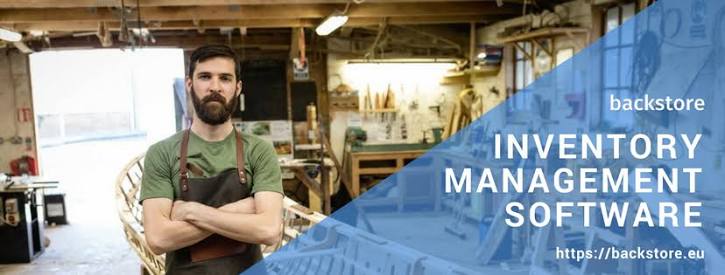
    I supported brand awareness, lead generation, and promotional materials for Backstore, an automated procurement and inventory platform. The product was positioned across manufacturing, wholesale, web shops, and service/repair businesses, with supplier orders and quotes, goods receiving, and lot and serial-number tracking. During COVID, I also helped explore Poland as a market — discovering that the breadth of the product was better explained through in-person demos than phone-only pitches.

  6. External Consultant · Kruhologija

    Apr — Aug 2021

    Croatia

    I led market research and built a full brand identity — logo, labels, promotional materials, and copywriting — for a niche food product from the ground up.

  7. Restaurant Manager → Group Restaurant Manager · Adria Grupa d.o.o.

    Oct 2018 — Nov 2019

    Zagreb, Croatia

    I joined Adria Grupa's gastro sector as a Restaurant Manager and turned around an underperforming restaurant single-handedly, lifting foot traffic 40% in three months. I was promoted to Coordinator over all 10 of the group's restaurants — serving major clients including Coca-Cola, Croatian Radio Television, Kaufland, Privredna Banka, Croatian National Bank, Dukat, and Labud — and repeated the turnaround in every location.

  8. Owner · Chevaprolls

    Dec 2015 — Mar 2018

    Zagreb, Croatia

    I founded and ran my own fast-food concept — a fusion of traditional Balkan ćevapi — from brand to kitchen to front-of-house. It landed in Croatia's top 10 newly-opened restaurants within six months before street construction outside my door cut off customer access for good.

  9. Co-Founder · CroUsa LLC / Luma Bites

    May 2014 — Mar 2018

    Croatia

    I invented and developed "Luma Bites" — an original Glow in the Dark Food concept — handling brand development, packaging, website, SEO, social media, and PR for a product that drew major national media coverage.

  10. Sales & Marketing Manager · Ella Ella Sportswear

    May 2013 — Apr 2014

    Zagreb, Croatia

    I managed office operations and built brand identity, marketing strategy, and social media presence, while introducing digital tools to streamline the business.

  11. Key Account Sales Assistant · QUADRO-Intronic d.o.o.

    Oct 2012 — May 2013

    Zagreb, Croatia

    As a Key Account Sales Assistant for the Croatian distributor, I generated and tracked sales leads, negotiated client contracts, and coordinated sales efforts with marketing programs using CRM systems.

  12. Office Manager · Adria Sektor (Real Estate & Marketing)

    Jun 2010 — Mar 2012

    Zagreb, Croatia

    I brought structure to a fully paper-based, disorganized office — digitizing records, setting up CRM and lead pipelines, and negotiating client contracts — in an industry I'd never worked in before.

  13. Premium Client Support Agent · VIPnet / Vodafone Croatia

    May 2006 — May 2010

    Zagreb, Croatia

    I progressed from call-center agent to dedicated premium account manager for two major corporate clients (2,000+ and 4,000+ employees). I completed extensive training — NLP, assertiveness, and creative thinking — and won a company-wide competition in which employees submitted ideas for redesigning seven themed meeting rooms. As my prize, I chose a web design course that counted as a formal specialization and could be added to my employment record. That was where I started following technology more closely; my winning idea traced the evolution of mobile telephony.

  14. Environmental & Public Health Technician / Team Leader · Ekocijan d.o.o.

    Jan 2001 — May 2006

    Zagreb, Croatia

    My first job after training as a sanitary technician. I rose to team leader before age 19 and was effectively running operations and negotiating contracts across Croatia within two years — pest control, disinfection, and HACCP food-safety compliance for restaurants, hotels, and municipalities.

Learning & certification

The training behind the work

My training combines practical workplace learning with a verified UX credential — the bridge between my operations background and the digital, creative work I've moved toward since.

Additional professional training · VIPnet d.o.o.

Advanced Negotiation Skills

VIPnet d.o.o.

Assertiveness

VIPnet d.o.o.

Cross-Sell and Upsell

VIPnet d.o.o.

Dealing with Difficult Customers

VIPnet d.o.o.

Express Yourself!

VIPnet d.o.o.

How To Increase Emotional Intelligence

VIPnet d.o.o.

NLP System Thinking & Effective Communication

VIPnet d.o.o.

Project Management

VIPnet d.o.o.

SAP Basics, MM, SD, CO & FI Module

VIPnet d.o.o.

Think Outside the Box

VIPnet d.o.o.

Recommendations

What colleagues remember

These are a few words from people who worked with me in Croatia and Ireland — focused on the qualities that carry across industries.

“Martina is a capable, independent individual with strong communication skills who handles demanding tasks with ease. She was particularly successful in organizing work processes and showed a strong sense of responsibility.”

Ruza Gvozdenica

Restaurant Group Manager · Adria Gastro Sector

Adria Group · 2018–2019

“Her communication style is both effective and respectful, and she brings a calm, solution-oriented approach to every situation. She is a proactive and reliable team player who contributes positively to the work environment.”

Natasa Cako

Checkout Manager · Herlihy’s Centra Fermoy

Ireland · from December 2022

“Martina is a resourceful and dedicated collaborator, who has a universal and innovative way of dealing with challenges. She is very quick and efficient when it comes to making decisions, but at the same time very patient and considerate to everyone in the team.”

Vladimir Budija

General Manager · TENA BE d.o.o.

External collaborator · 2020–2022

Martina Dogancic · Fermoy, Co. Cork, Ireland

This site uses anonymous, aggregated pageview analytics without cookies or personal profiles.

LinkedIn profile

Achievements

Achievements

Moments Worth Highlighting

A few of the projects and results I'm proudest of — the ones that best show what I'm capable of when I'm given room to run.

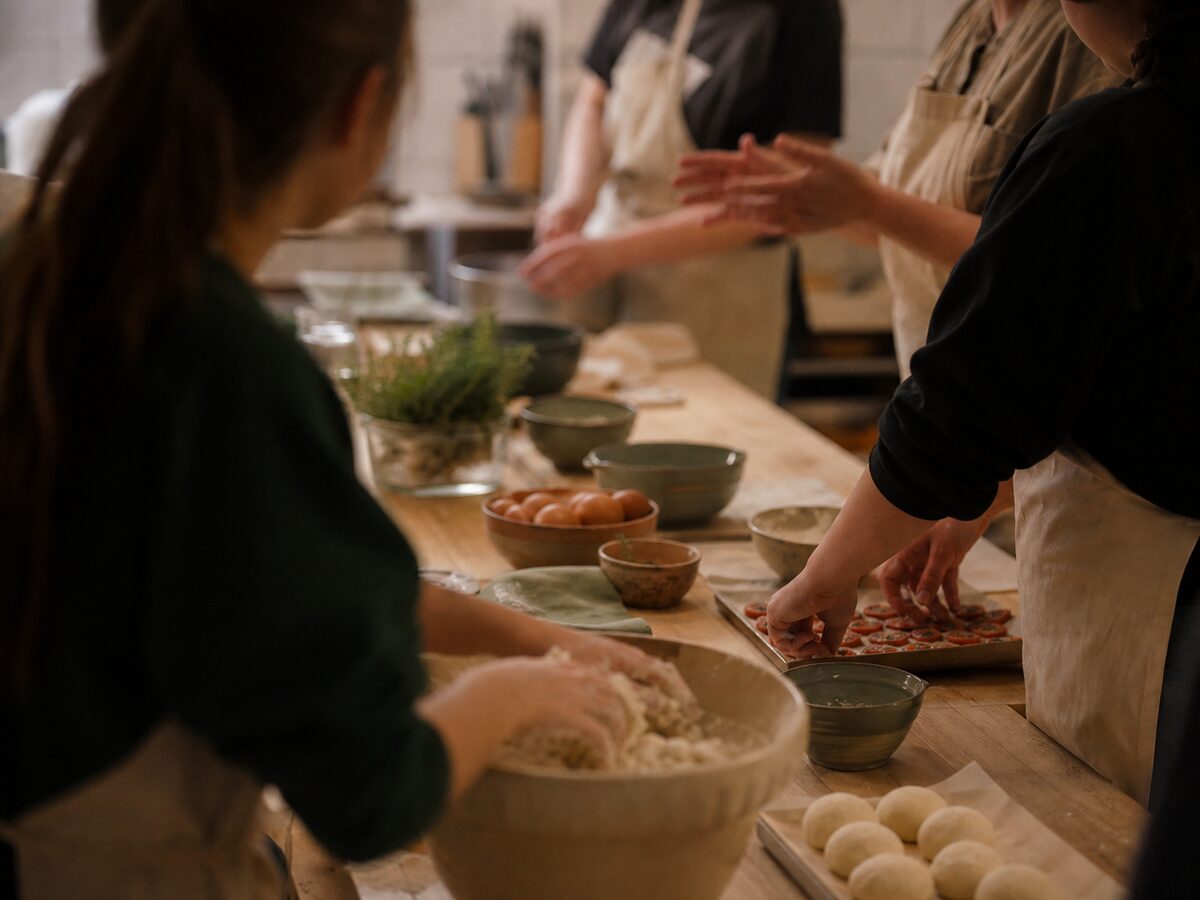
Real Cooking Workshops — Loreto Secondary School, Fermoy
Proof of ConceptDelivered in Fermoy

Real Cooking Workshops — Loreto Secondary School, Fermoy

While every other item in Future Vision is a proposal, this one already happened: I designed and delivered a full cooking-workshop series to girls at Loreto Secondary School in Fermoy. Every dish came with real teaching notes explaining the science behind the technique, not just a recipe to follow — the same philosophy that runs through everything I want to build next.

Gloop — First Prize in a Music App Competition
First PrizeApp competition

Gloop — First Prize in a Music App Competition

I won first prize for Gloop in a competition to create the best app around the theme of music — and the prize was an iPhone 16.

Read the full story

I entered Gloop, my playful sound-making app, in a competition focused on building the best app around the theme of music. It won first prize, and I received an iPhone 16 as the award — a memorable recognition of an idea I turned into a working app through natural-language prompting.

MasterChef Croatia — 9th Place
Turning Point2015

MasterChef Croatia — 9th Place

A friend's suggestion turned into the moment I realized cooking wasn't just a hobby — it was a career waiting to happen.

Read the full story

I applied to the third season of MasterChef Croatia in 2015 on a friend's suggestion and finished 9th — a striking result, especially because I had no professional culinary training. The experience kicked off an entirely new chapter: intensive workshops in international cuisine and molecular gastronomy followed almost immediately.

Luma Bites — Glow in the Dark Food
World First2014 — 2018

Luma Bites — Glow in the Dark Food

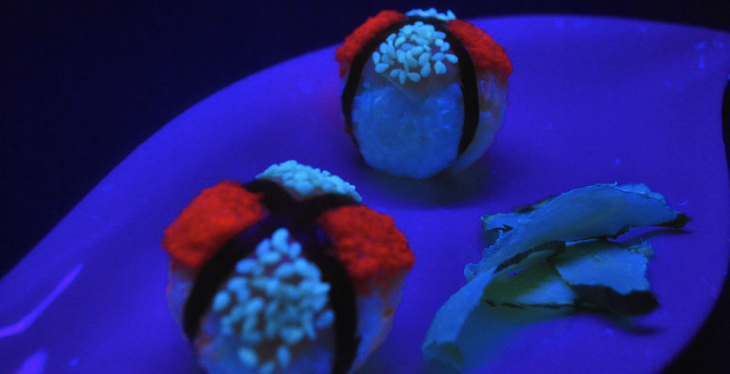
I invented the world-first Glow in the Dark Food concept using oils and spices to make dishes glow under UV light.

Read the full story

I created "Luma Bites," the Glow in the Dark Food concept, using specific oils and spices to make food genuinely luminescent — when the room lights dropped and the UV lamps came on, the food glowed like light bulbs. It generated major media attention, but with a young daughter to raise alone and no local client base to scale it in Croatia, I made the deliberate choice to set it aside rather than travel for it.

Chevaprolls — My Own Restaurant
Founder2015 — 2018

Chevaprolls — My Own Restaurant

A fusion street-food concept I invented from scratch, landing in Croatia's top 10 newly-opened restaurants within six months.

Read the full story

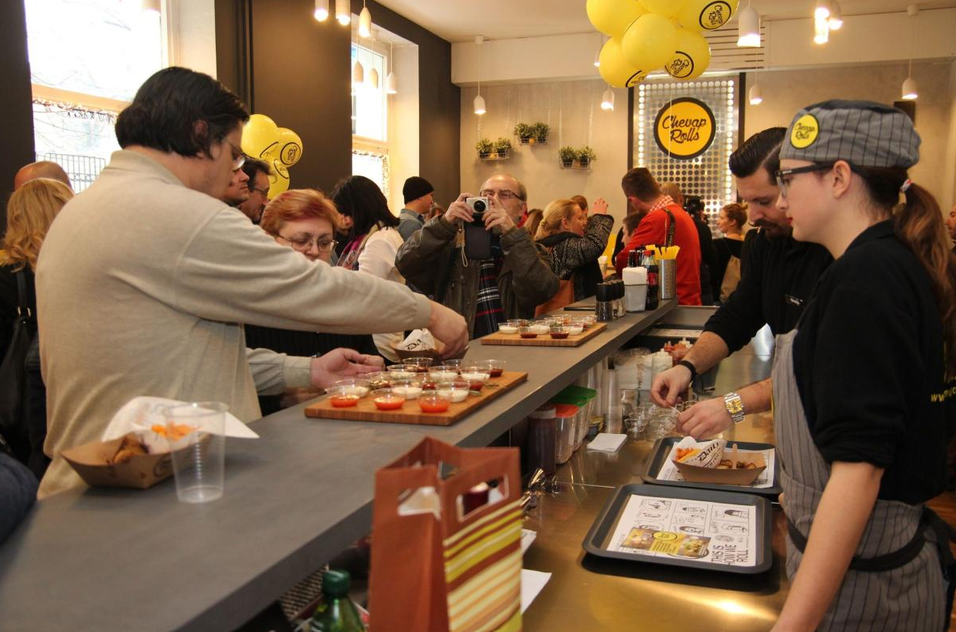
I opened Chevaprolls on 23 December 2015 in Gajeva Street, central Zagreb, combining two Croatian favourites — ćevapi and palačinke — into a baked, portable street-food roll. The recipe was my intellectual property, and I designed the concept with room for different flavours, colours, textures, fillings, and spices. It became a genuine hit with locals and tourists, growing to 13 employees and attracting heavy press coverage. I developed a Chevaprolls line of spices that was sold in the restaurant and in two Zagreb spice shops, and introduced electric-motorcycle delivery — an early move that reduced costs and gave the brand an environmental angle. I also took the concept to two festivals during its first summer, where the response was strongly positive. The plan was to grow from one restaurant into festival and Advent food booths, a central production facility, frozen retail, a national food-truck campaign, and eventually franchises across Europe and the Middle East. By the time the street works began, I had taken the franchise planning almost to the finish line: the concept, product range, operating model, and expansion route were already mapped out. Then Gajeva Street was dug up for three months of sewer works. Despite cutting costs and shifting to delivery, the traffic loss proved impossible to recover from, and I made the hard call to close. I call it my first real professional failure — and the one that taught me the most.
The concept and growth plan — 2015 business plan

The original plan captures both the thinking behind Chevaprolls and the future it was meant to have: take a familiar regional favourite and redesign it for a faster, more portable, more modern experience, then build a route from one Zagreb restaurant to a scalable food brand.

The product

A ćevapi-and-pancake fusion served as a portable roll, with Chevaprolls, Brunchrolls, and Beerolls as the core menu directions.

The early proof

The concept developed its own spice line, an electric-motorcycle delivery model, and positive live testing at two summer festivals — early evidence that it could work beyond the restaurant itself.

The customer promise

Homemade food, approachable prices, quick service, and the choice to eat on the go or sit down — familiar enough to feel accessible, new enough to be memorable.

The operating model

A central Zagreb location, fresh daily preparation, grill-finished rolls, takeaway-friendly packaging, and a two-shift service model designed to grow beyond a one-off idea.

The franchise-ready roadmap

By the time the street works began, I had taken the franchise planning almost to the finish line. The roadmap moved from festival and Advent food booths to a production facility, frozen packages for Croatian retail, a PIK-backed food-truck tour through major cities, and eventually international markets and franchising. The business was interrupted before I could take that next step and turn the plan into a rollout.
10-Restaurant Turnaround, Adria Grupa
Operations2018 — 2019

10-Restaurant Turnaround, Adria Grupa

I was given 11 employees and two months of silence to prove myself — I grew traffic 40% and was handed all 10 of the group's restaurants.

Read the full story

I took over a struggling restaurant next to one of Croatia's largest hospitals with zero support for two months. I fixed broken equipment, rebuilt a fractured kitchen team, overhauled a hotel catering contract that had been quietly embarrassing everyone involved, and grew foot traffic 40% in three months — entirely on my own. The result was a promotion to Coordinator over all 10 of the group's restaurants, serving blue-chip clients like Coca-Cola, Croatian Radio Television, Kaufland, and the Croatian National Bank. I replicated the same turnaround in every single one.

Company-Wide Creative Competition Win
Creativity~2008

Company-Wide Creative Competition Win

I won an internal competition for an idea to redesign seven themed meeting rooms — and discovered how much I loved creative work.

Read the full story

At VIPnet/Vodafone Croatia, the company invited employees to submit ideas for redesigning seven meeting rooms. I entered and won. As my prize, I chose from several courses that counted as formal specializations and could be added to my employment record. I chose web design, and that was where I started following technology more closely. My winning idea traced the history of mobile telephony, from Alexander Graham Bell to the latest smartphones. I call it the first time I felt "the magic of creativity," a realization that stayed with me through every career chapter since.

COVID Crisis Pivot, TENA BE
Adaptability2020

COVID Crisis Pivot, TENA BE

I joined Vladimir Budija's TENA BE as a flexible consultant, helped shape a restaurant concept, and converted it to delivery-only when COVID arrived.

Read the full story

After leaving Adria Grupa, about three months before COVID, Vladimir Budija offered me a flexible consulting role through TENA BE — a choice that also gave me more time with my daughter. One of his companies was a restaurant still finding its feet, and I helped shape its concept. When COVID hit about a month into the role, I reworked the restaurant's menus and supplier agreements and onboarded it to Glovo and Deliveroo within a week. I used the quieter pandemic months to build real digital skills — Photoshop and web design — and built the company's full website from scratch, while also getting hands-on exposure to Vladimir's separate automated inventory-management platform, Backstore.


Backstore — Automation & Market Development
Digital Operations2020 — 2021

Backstore — Automation & Market Development

I helped turn a complex procurement and inventory platform into a market-facing story during the COVID era.

Read the full story

Backstore was designed as a business operating layer for manufacturers, wholesalers, web shops, and service and repair companies. The presentation covered individual and serial production, long and short processes, B2B trading, web shops, custom trading, service and repair, and tracking by LOT or serial number. In practice, the platform helped businesses enter what they needed, generate supplier quotes and orders, and simplify goods receiving. I supported brand awareness, lead generation, and promotional materials, then helped prepare an early Poland-market approach — a concrete example of my work at the intersection of operations, communication, and automation.

Proceed Health & Fitness — Website & Campaign
Web & MarketingIreland · client project

Proceed Health & Fitness — Website & Campaign

I built a live website and a Christmas advertisement for a friend's health and fitness business in Ireland.

Read the full story

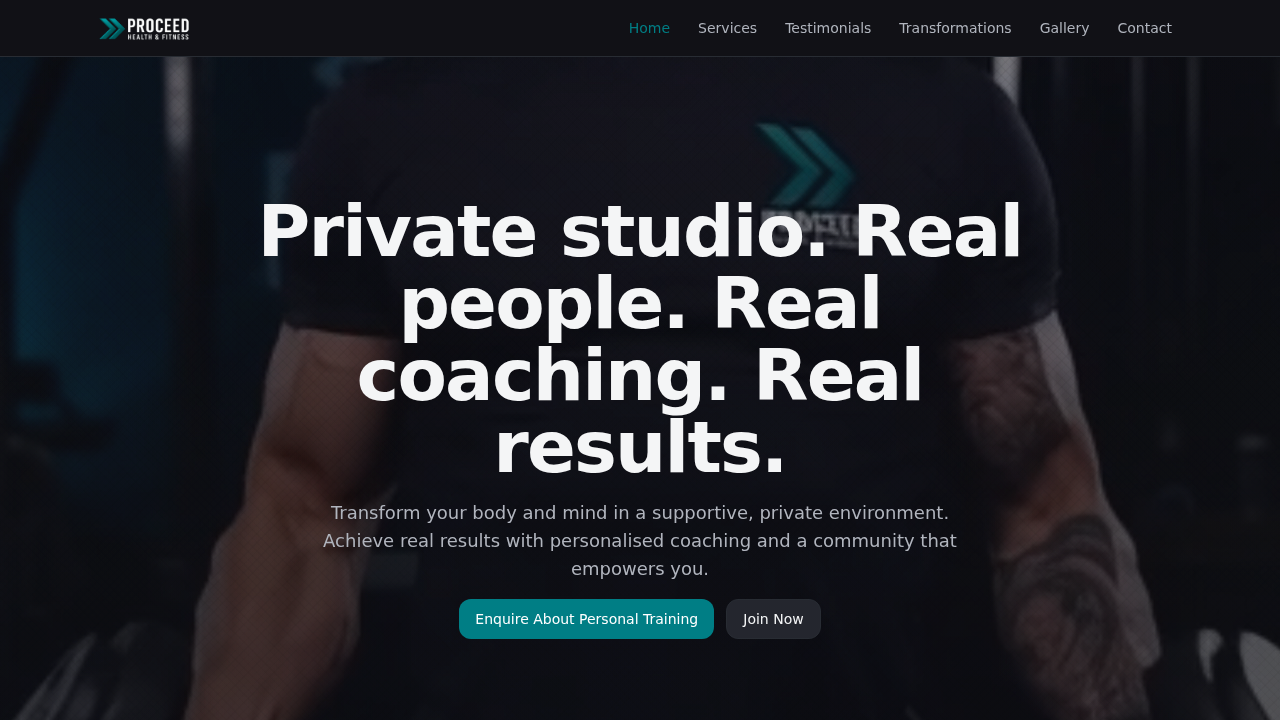
I created the public-facing website for Proceed Health & Fitness, a private-studio coaching business offering personal training, group classes, and online coaching. The site combines a clear, supportive brand message with practical paths into services, testimonials, transformations, gallery content, and enquiries. I also created a Christmas advertisement for the business — a compact example of carrying the same brand story into campaign creative.

Chevaprolls beyond the restaurant

The product ideas, market tests, and next steps that showed how far the concept could travel.

Chevaprolls — Festival Pop-Ups & Live Testing
Market testing2016

Chevaprolls — Festival Pop-Ups & Live Testing

I took Chevaprolls beyond the restaurant and tested the concept at two festivals during its first summer, reaching new customers and receiving a strongly positive response.

Read the full story

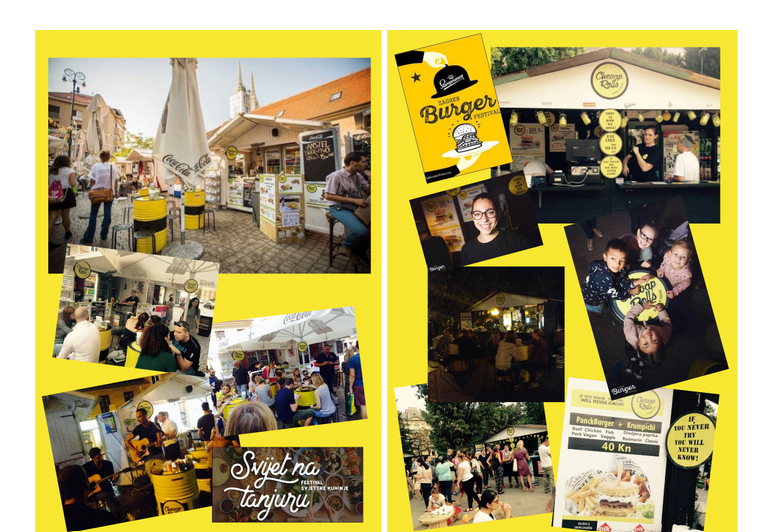
The festival appearances were deliberate market testing, not just promotional outings. They gave me a chance to introduce Chevaprolls to people who had never visited the Gajeva Street restaurant, watch how they responded to the product, and prove that the format worked in a live, high-footfall setting. The response confirmed that the concept could travel — supporting the wider plan for food booths, an Advent presence, a production facility, and eventually a national and international rollout. The festivals were one of the clearest early signs that Chevaprolls had potential beyond a single location.
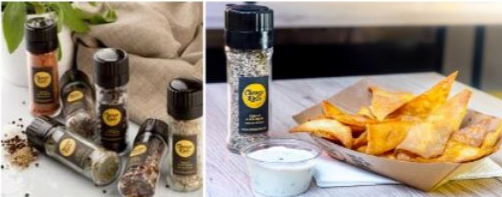
Chevaprolls — A Range of House Spice Blends
Product development2016

Chevaprolls — A Range of House Spice Blends

When customers kept asking what made our fries so distinctive, I developed and launched a full range of Chevaprolls spice blends for the restaurant and two Zagreb spice shops.

Read the full story

The fries became part of the Chevaprolls identity: customers noticed the flavour and wanted to know what I was using. I turned that interest into a product range, developing a series of my own branded spice blends and putting them on sale in the restaurant and in two spice shops in Zagreb. It was another step beyond serving food — creating products with their own identity and a route into retail, alongside the wider plan to grow Chevaprolls into a scalable brand.

Project campaign

Proceed Health & Fitness — Christmas campaign

A standalone look at the campaign film I created for the Irish health and fitness business, kept here as a full-width project archive below the achievement cards.

Watch the Christmas advertisement (Google Drive)
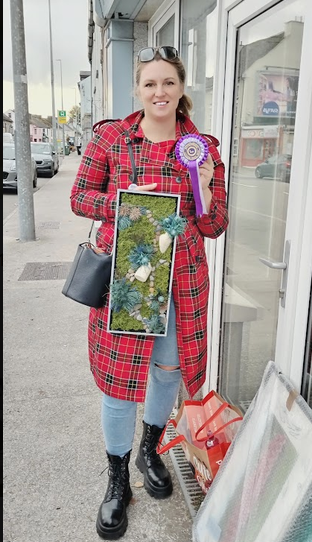
Me holding my art piece and first-place ribbon at the Rathcormac Autumn Show
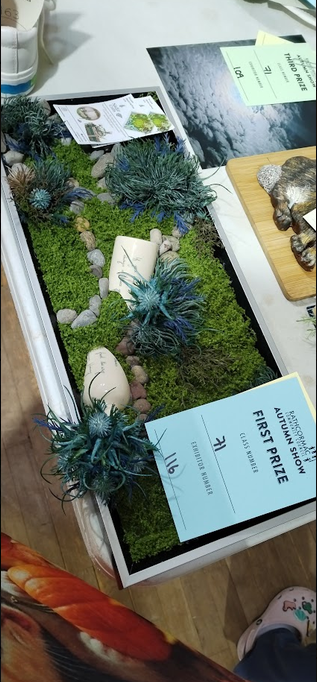
The Nádúr Crafts art piece with its Rathcormac Autumn Show first-place card
Recognition2025

First Place — Rathcormac Autumn Show

One of my upcycled art pieces won first place at the Rathcormac Autumn Show in Ireland.

Read the full story

I entered one of my upcycled and found-object pieces in the Art section of the Rathcormac Autumn Show 2025 and won first place. The work is made from reclaimed frames, books, and natural materials — the kind of quiet, tactile transformation at the heart of Nádúr Crafts.

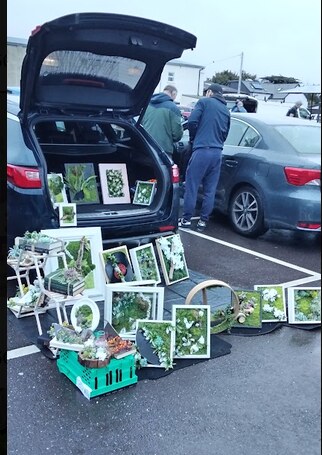
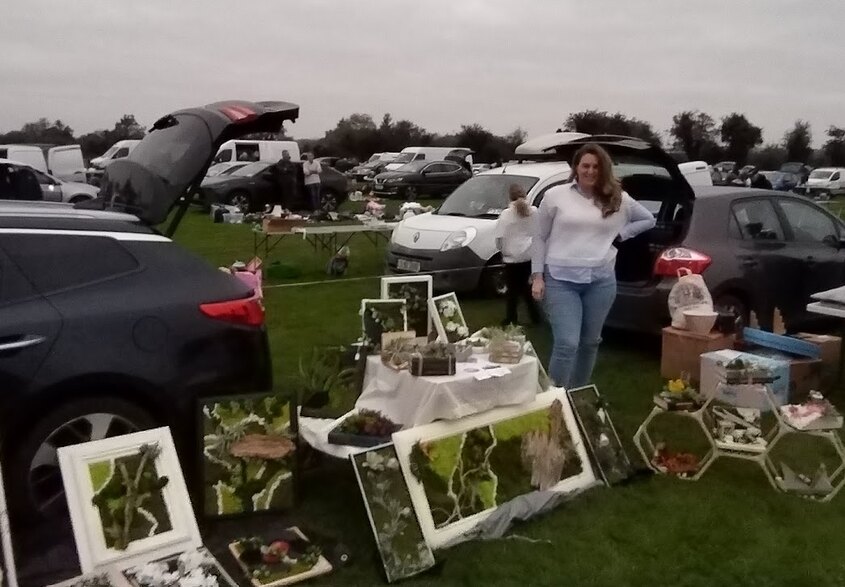
My Nádúr Crafts artwork arranged from the boot of a car at a car boot sale
My Nádúr Crafts car boot sale display with framed upcycled artwork
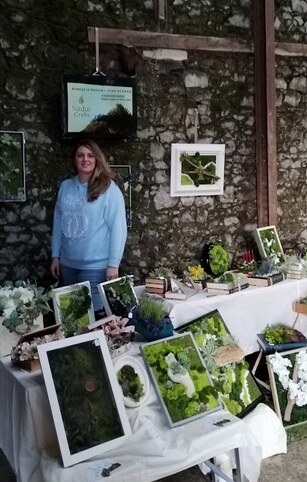
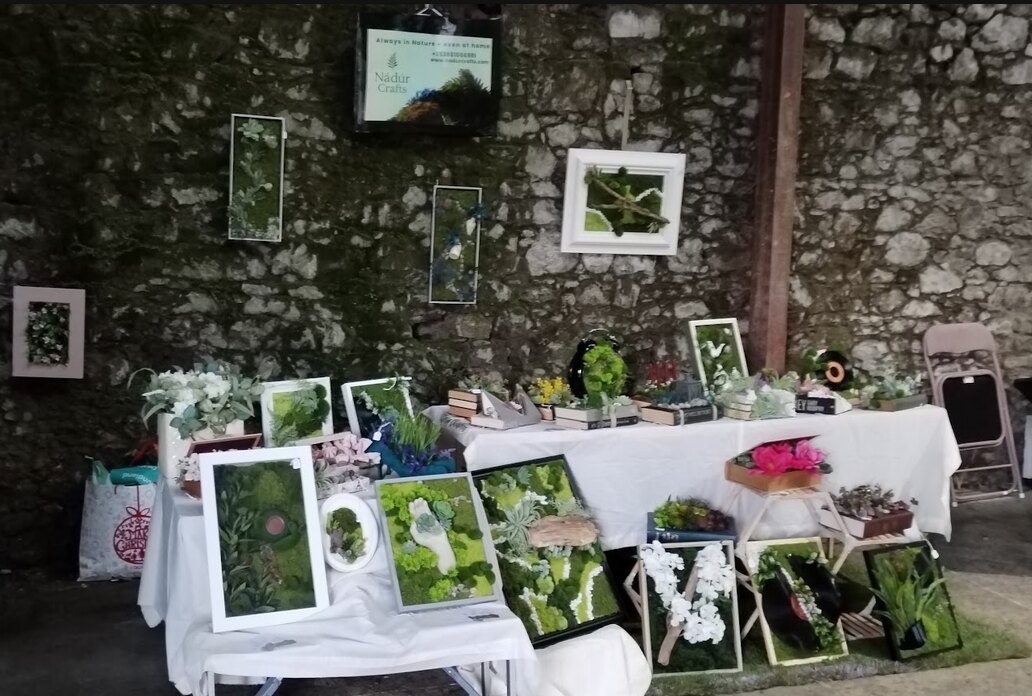
My Nádúr Crafts Christmas market stand with framed botanical artwork
Nádúr Crafts artwork displayed across a Christmas market table and wall
Real-World Test2025

Taking Nádúr Crafts to Market

I tested selling my work at a car boot sale and a Christmas market — and learned that logistics matter as much as the making.

Read the full story

I tried taking my upcycled art to a car boot sale and a Christmas market. Without a car, I have to rely on friends and my partner to drive me and help carry everything, and organizing transport, setup, and pack-down became difficult to sustain. The experience clarified that a future version needs a more workable route — perhaps online sales, local partnerships, or a venue that handles the logistics.

Press coverage

The story travelled further than one project

A combined archive of the articles and broadcasts that covered Luma Bites, Chevaprolls, and the ideas behind them.

6 articles · 4 videos

Martina Dogancic · Fermoy, Co. Cork, Ireland

This site uses anonymous, aggregated pageview analytics without cookies or personal profiles.

LinkedIn profile

Future Vision

Future Vision

Where I See Myself Going

After my injury, I made a decision: stop relying on my body and start relying on everything else I've built. Apart from the Loreto Secondary School workshops, which I've already delivered once and link to in Achievements, everything below is a future idea — a programme I'd like to develop and bring to life as a food educator and coach. Some are fully scoped and ready to pitch; none of the others has been delivered yet.

Nourish & nurture

Pregnancy & New Motherhood Nutrition Course

A future course I would like to develop is a 3-week programme for small groups of pregnant women covering pregnancy nutrition, breastfeeding, and first foods — pairing real nutrition science with the social connection new mothers often miss most.

Read more

I would run this as a three-week course meeting twice a week for a couple of hours, with small groups of around five or six women. It would move through pregnancy nutrition, breastfeeding, and first foods/weaning — mixing clear theory with simple cooking demonstrations and purées. Just as important, it would give new mothers a reason to leave the house, meet other women, and build a supportive community. A future version could explore support from a municipality, community-health service, or state funding.

Ingredient science

Single-Ingredient Deep Dives

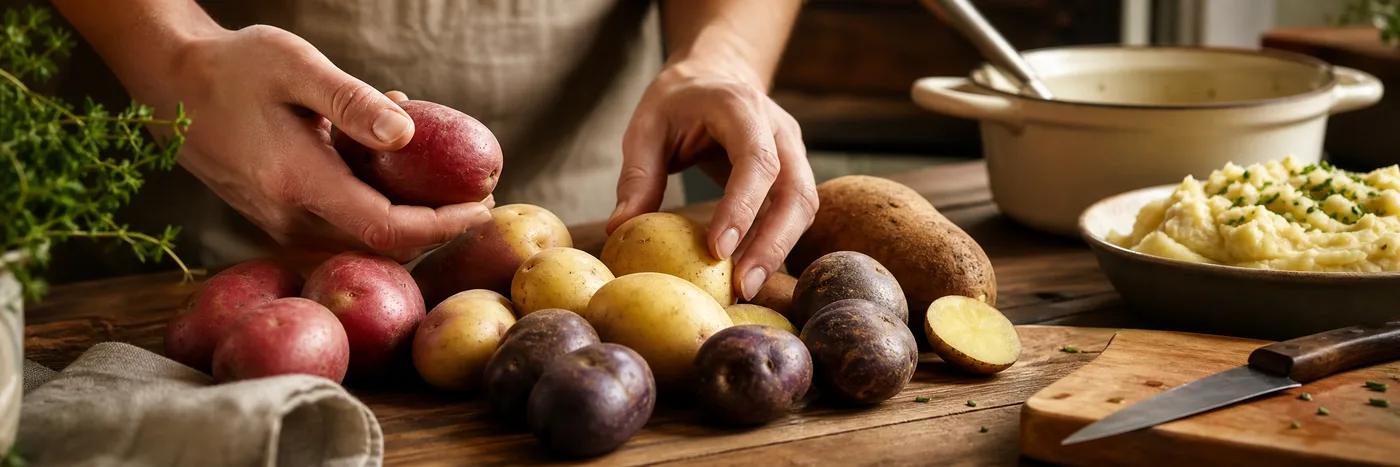
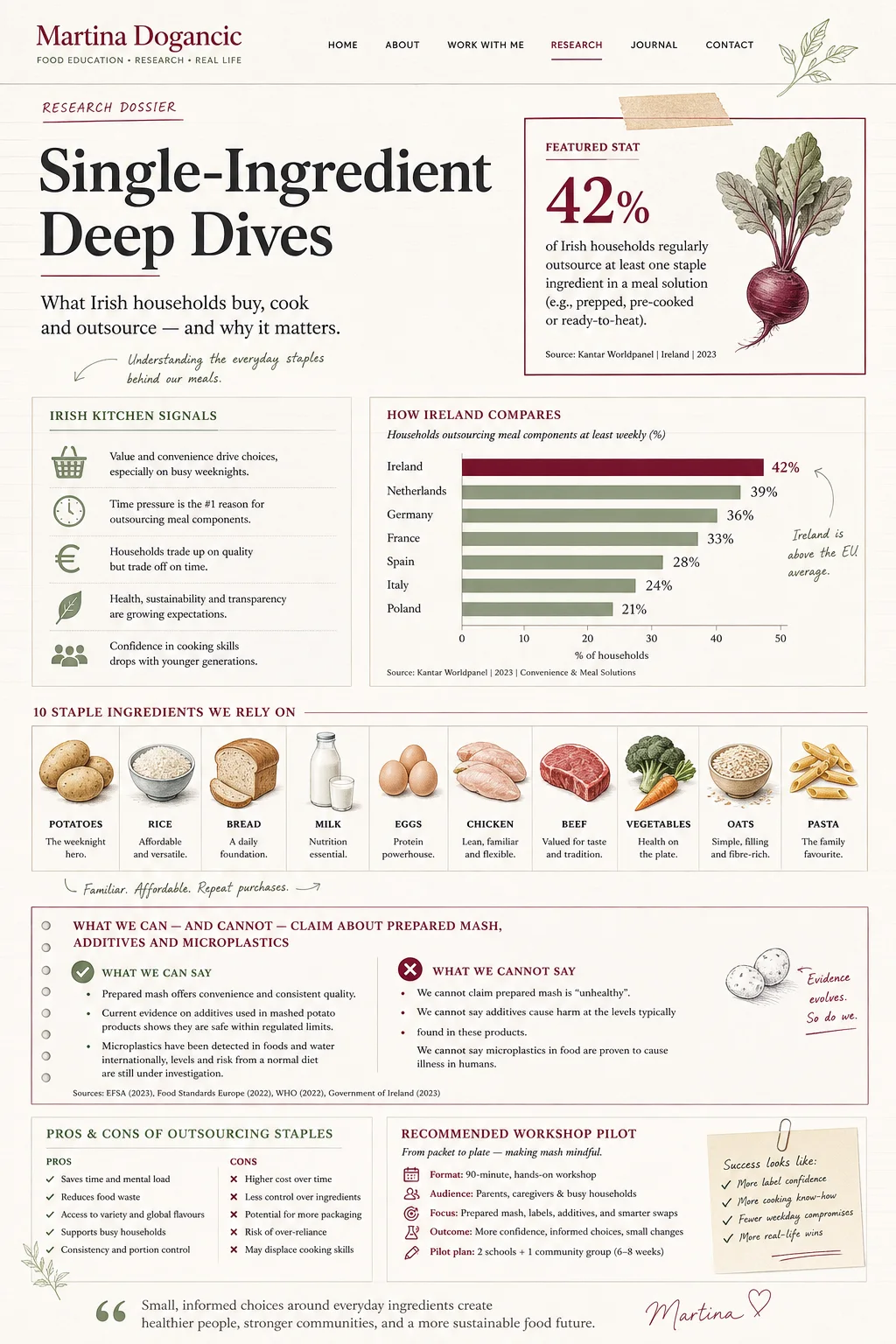
Another programme I would like to develop is a recurring seminar series devoted to one ingredient at a time — starting with potatoes — going deep on varieties, technique, and food science so people can finally cook it properly at home.

Read more

Each session would last roughly three to four hours and combine a lecture with hands-on cooking. Potatoes are the first example because they are used constantly in Ireland: I would compare varieties, explain why newer potatoes behave differently from older ones, cover sprouted-potato safety, and show the science behind choosing the right oil and making proper mash from scratch in about ten minutes. The same format could expand to rice, pasta, chicken, pork, fish, veal, or individual vegetables — an everything-you-can-do-with-X masterclass series.

Food cultures

International Cuisine Workshops

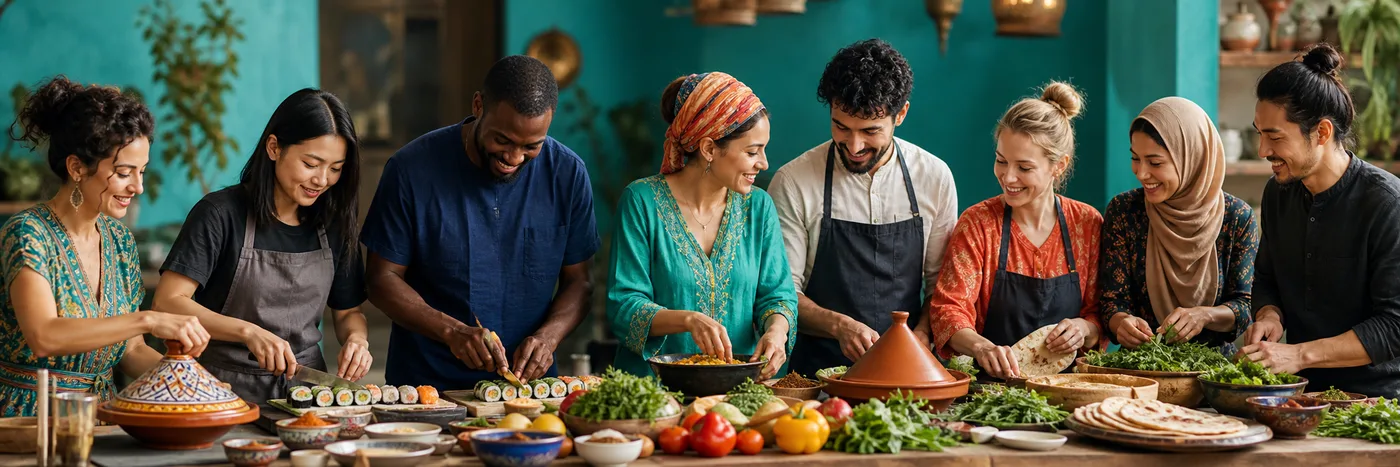
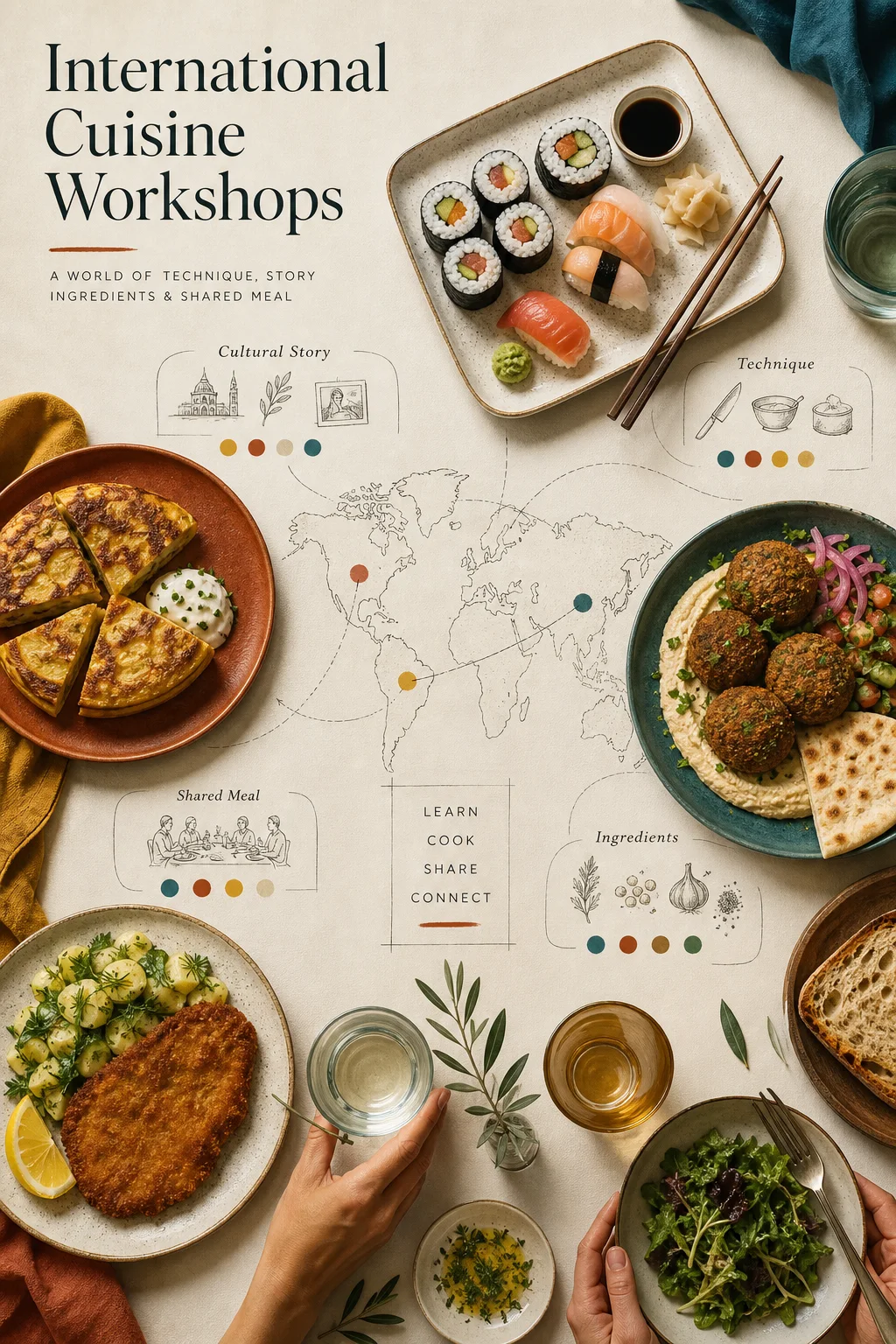
International cuisine is where my expertise really comes alive: I can take people around the world through a plate — from Japanese sushi and Mexican tortillas to Lebanese falafel and German schnitzel. The idea is a "world on a plate" workshop series where I can turn almost any food idea into a real dish.

Read more

International cuisine is the area where my knowledge is strongest. I can take people around the world through a plate — from Japanese sushi and Mexican tortillas to Lebanese falafel and German schnitzel, with many more cuisines in between. The future idea is to build workshops around the dishes and techniques I want to explore, showing that when you understand ingredients, methods, and the logic behind a dish, almost anything you imagine can become something real. Depending on the cuisine, a workshop could run for a few hours or become a multi-day programme. I would start with the cultural context, typical ingredients, and where to find them in Ireland, then cook selected dishes together so attendees can repeat them at home. The aim is to move people beyond consuming unfamiliar food as takeaway and help them understand, appreciate, and confidently make it themselves.

Many kitchens, one continent

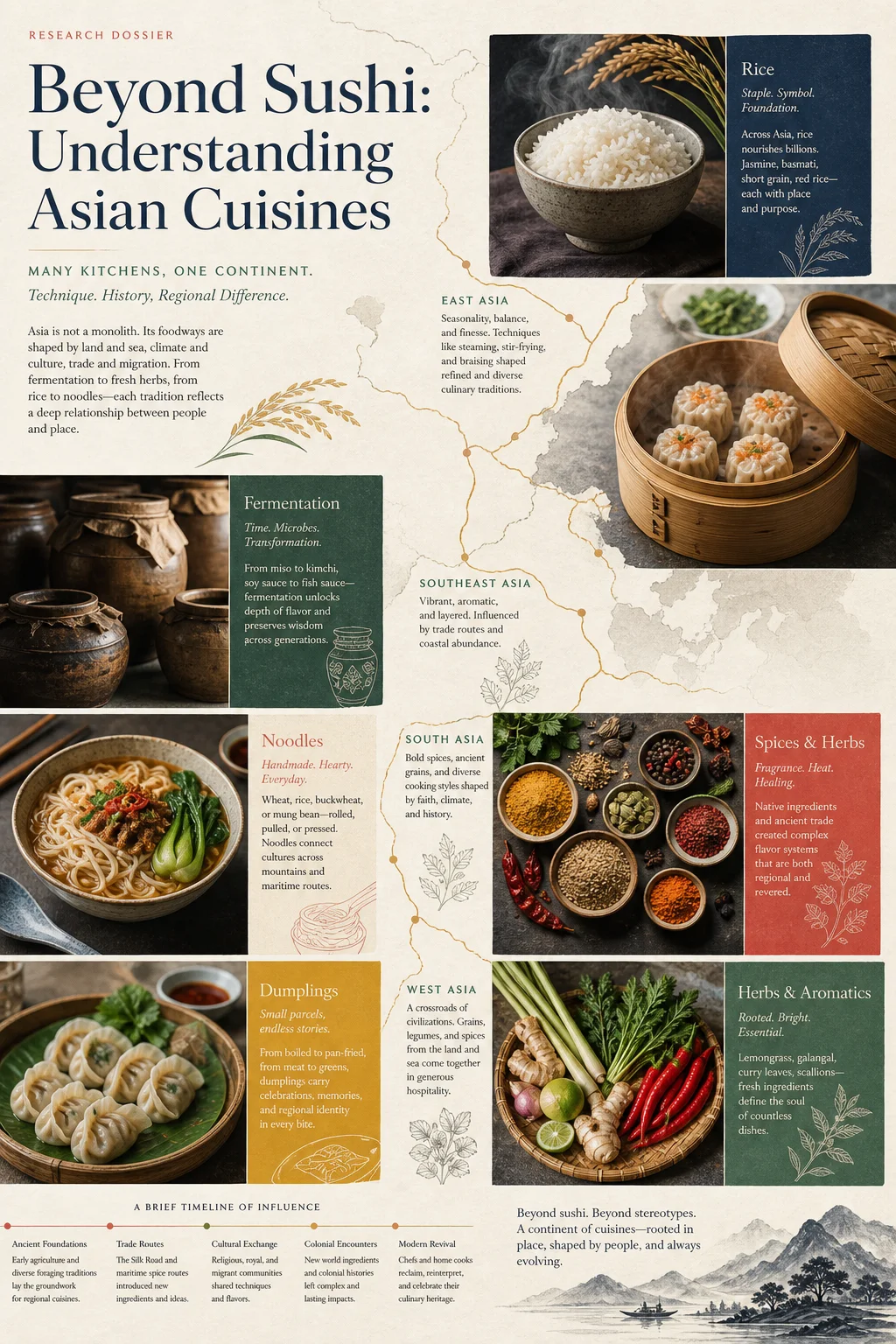
Beyond Sushi: Understanding Asian Cuisines

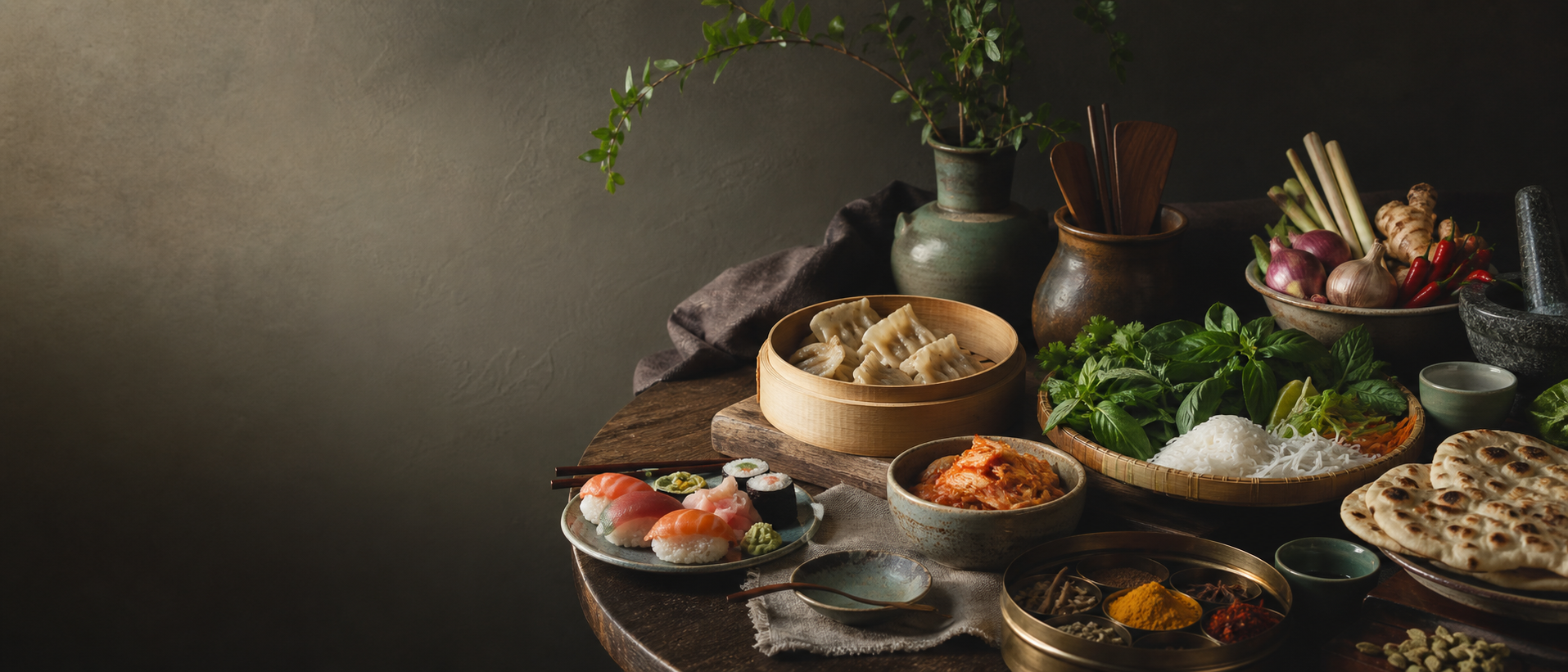
Asia is not one cuisine. I would like to create a focused educational series showing how Japanese, Chinese, Korean, Thai, Vietnamese, Indian and Southeast Asian food cultures differ in history, ingredients, techniques and the way meals are shared.

Read more

The programme would move beyond the idea that sushi, kimchi, ramen, curry, noodles and stir-fries all belong to one generic category. I would explain what makes each cuisine distinct, which dishes come from which country or region, and how geography, religion, climate, migration and trade shape what people cook. Each session would combine a story-led introduction with demonstrations, hands-on preparation and tasting — for example sushi and washoku, kimchi and kimjang, dumplings and regional Chinese cooking, pho and Vietnamese regional food, or pad Thai and Thai flavour balance. The series would be carefully sourced and, where possible, shaped with people connected to the culture being presented.

Practical cooking

Budget & Zero-Waste Cooking

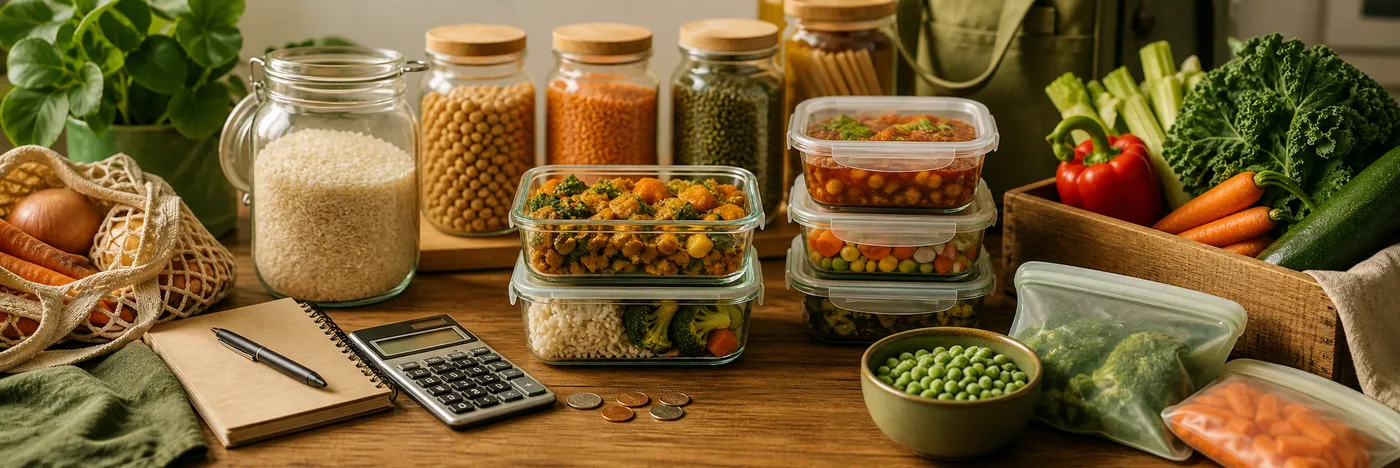
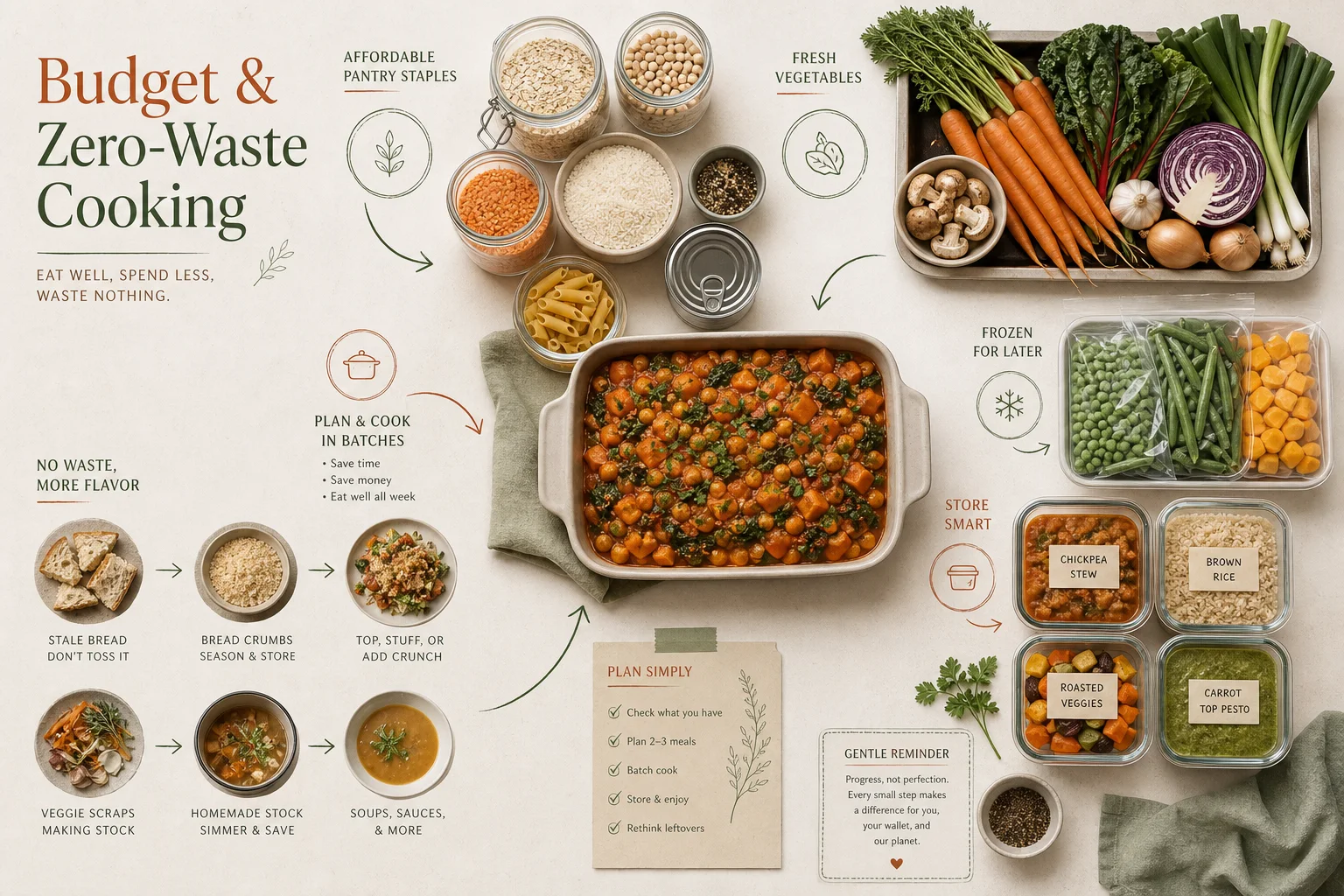
For households looking to save money and eat better, I would like to develop a practical workshop series on cooking from scratch, batch cooking, and correcting myths (like frozen vegetables being "less healthy").

Read more

I would show how small technique changes can improve health, cost, and waste at the same time — for example, buying a kilo of dry rice instead of a small pack of preserved ready-cooked rice, then turning one batch into risotto, a wok meal, or burritos over several days. I would also explain why frozen vegetables are not automatically less healthy than fresh ones, and build practical meal-planning and batch-cooking skills for families, students, and households on tight budgets. This could work as a community or social-support programme as well as a paid workshop.

Signature idea
Cooking with confidence

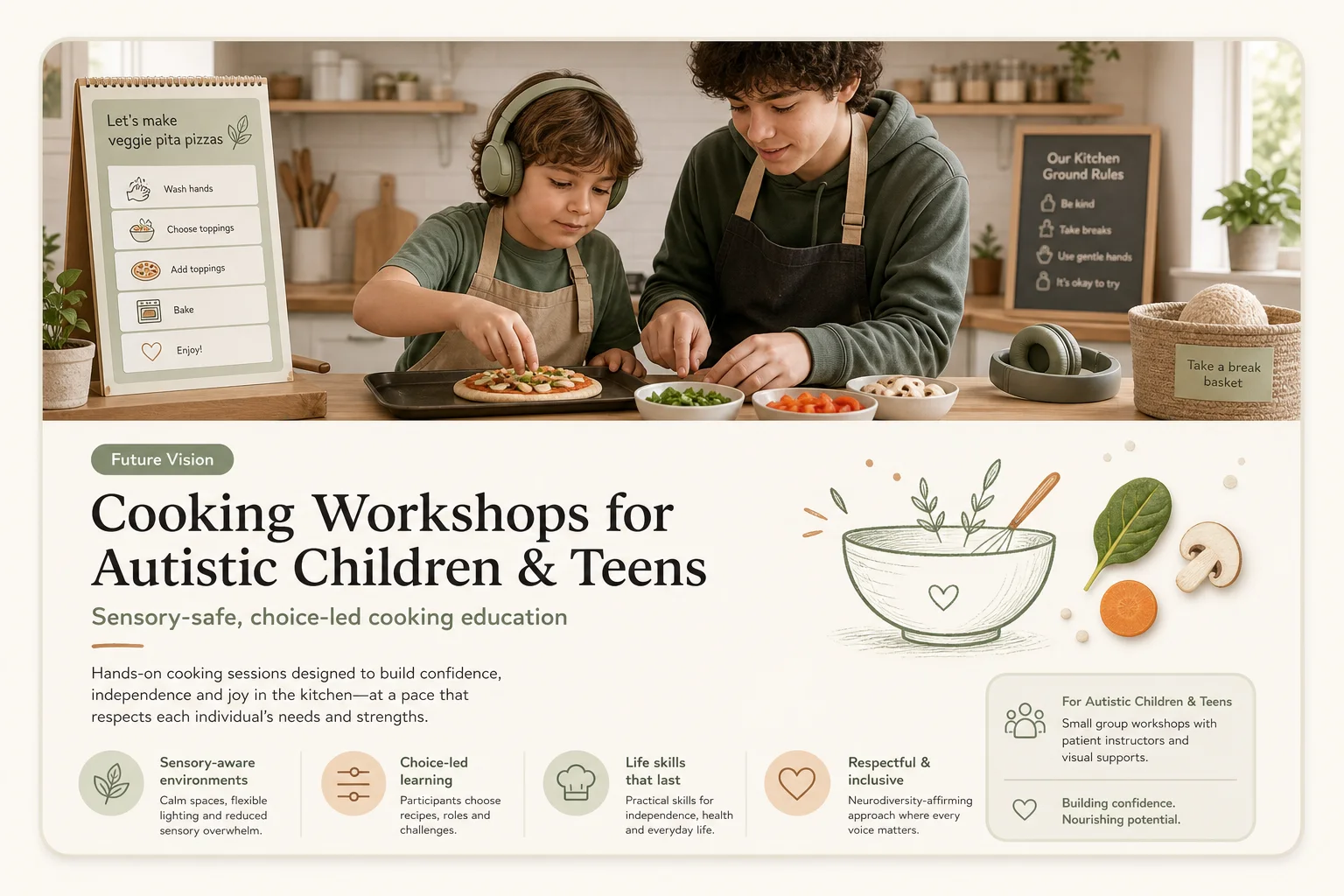
Cooking Workshops for Autistic Children & Teens

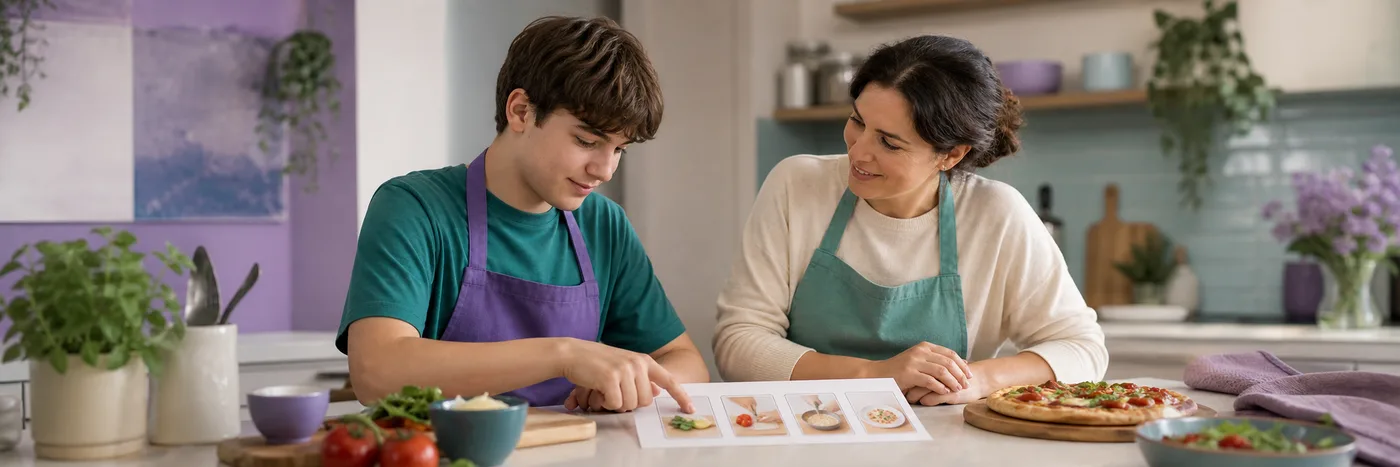
Inspired by my own daughter, I would like to develop a cooking programme for autistic children and teens using simple, adaptable dishes and detailed, concrete explanations — filling a real gap left by standard home-economics curricula.

Read more

My approach would explain the why behind food and technique in a clear, concrete way rather than relying on vague rules. The programme would teach simple adaptable meals that build independence step by step, because many autistic young people are expected to follow a standard home-economics curriculum that does not meet their needs. The idea could grow through partnerships with schools, disability services, and autism-support organisations.

Personal guidance

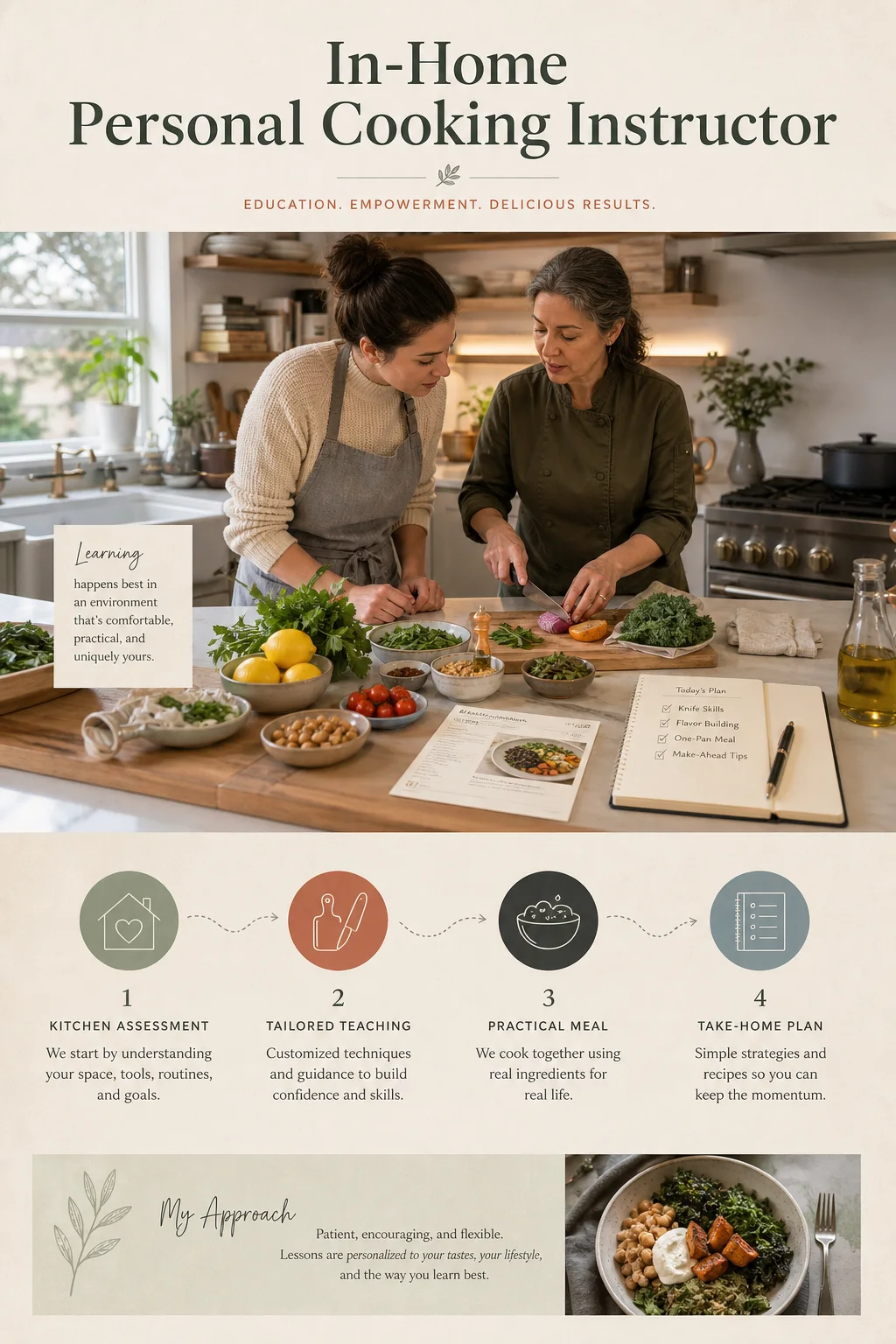
In-Home Personal Cooking Instructor

Alongside the group workshops, I could develop a bespoke 1-on-1 service — I would come to your kitchen, assess your equipment and skill level, and build a cooking programme tailored entirely to you.

Read more

I would begin by looking at the client's real kitchen, equipment, routines, and current ability — from someone who can barely cook an egg to someone who already manages the basics. Then I would design a personalised programme and teach it hands-on in their own space. Young mothers on maternity leave who want to cook healthier food for their children would be one strong client group, but the model could adapt to individuals and families of any age.

Signature idea
Learn by doing

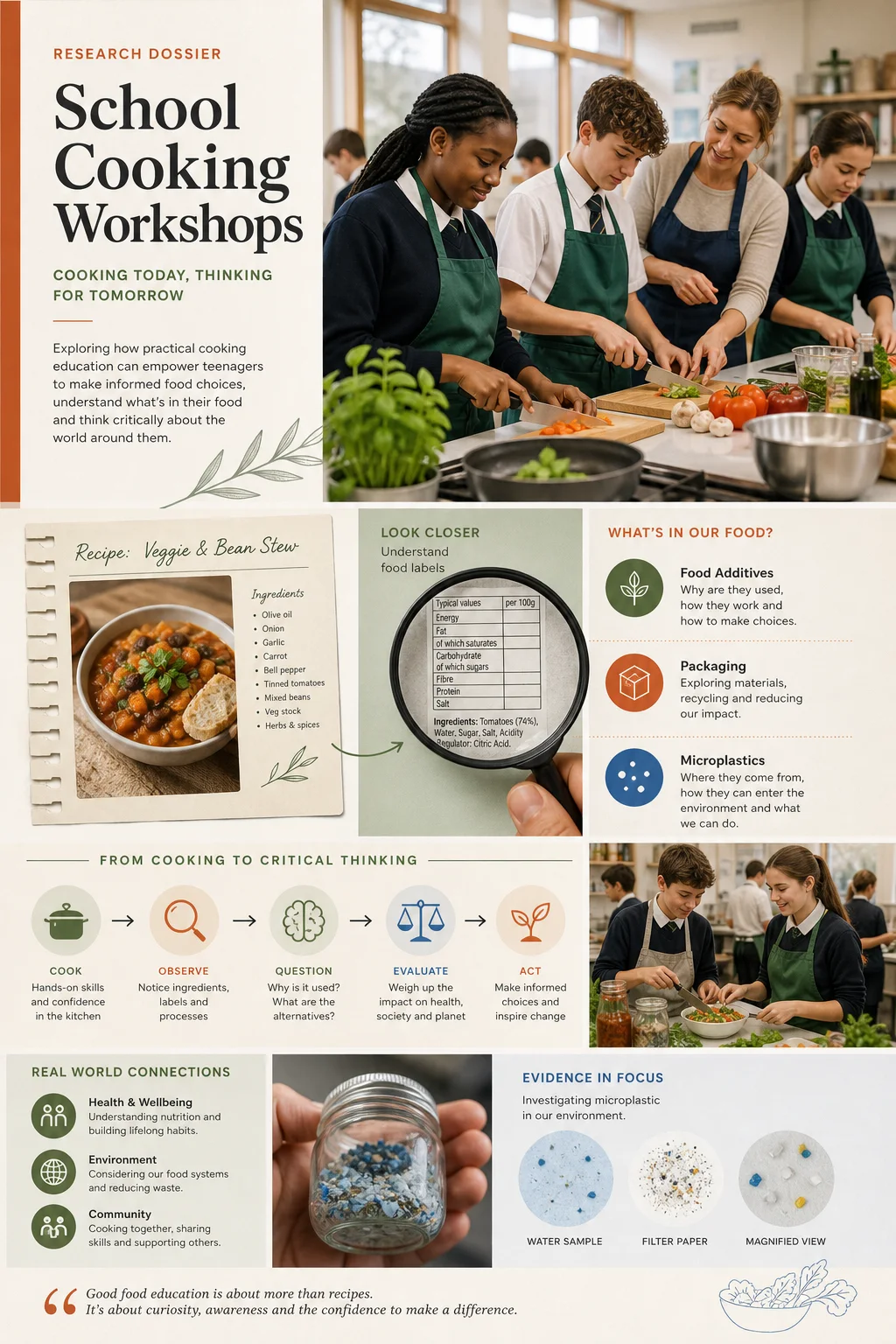
School Cooking Workshops

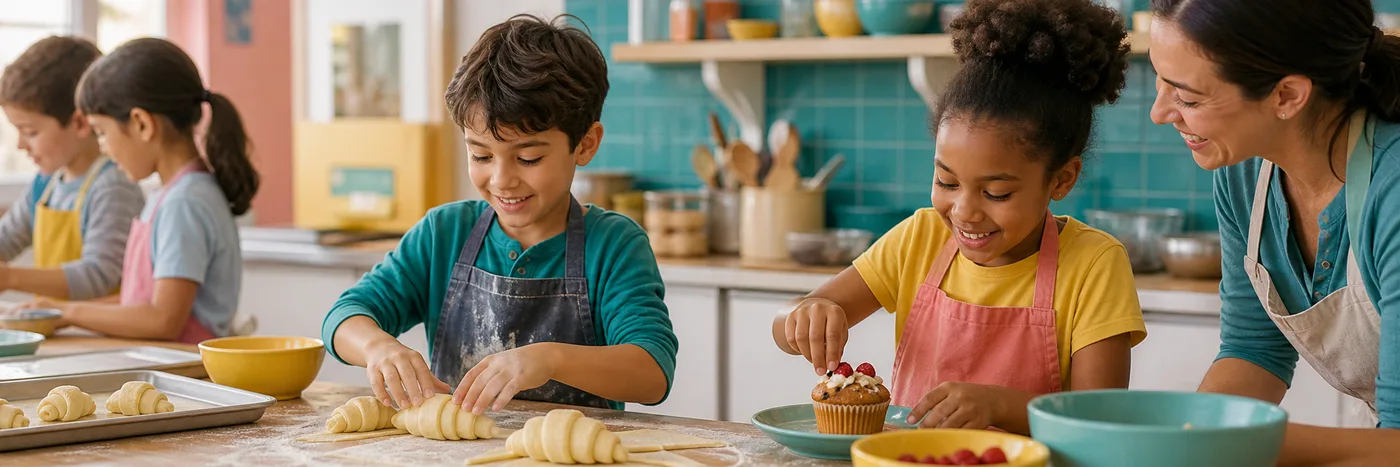
This is the one idea here I've already delivered once: the Loreto Secondary School, Fermoy workshops described in Achievements, with a home-economics teacher's personal endorsement. The next step would be to develop after-hours cooking classes in school kitchens that teach the reasoning behind technique, not just the steps.

Read more

This idea already has a real proof of concept: at Loreto Secondary School in Fermoy I taught Frankfurt rolls, tortilla omelette wraps, build-your-own muffins, carbonara, and sourdough-style cookies with a quick starter. I explained why puff pastry puffs, why pasta needs a rolling boil, what al dente means, how the carbonara emulsion works, and how one base recipe can lead to many outcomes. The next step would be to turn that into after-hours workshops in school kitchens, with parent enrolment and possible school or state support.

Make more, waste less

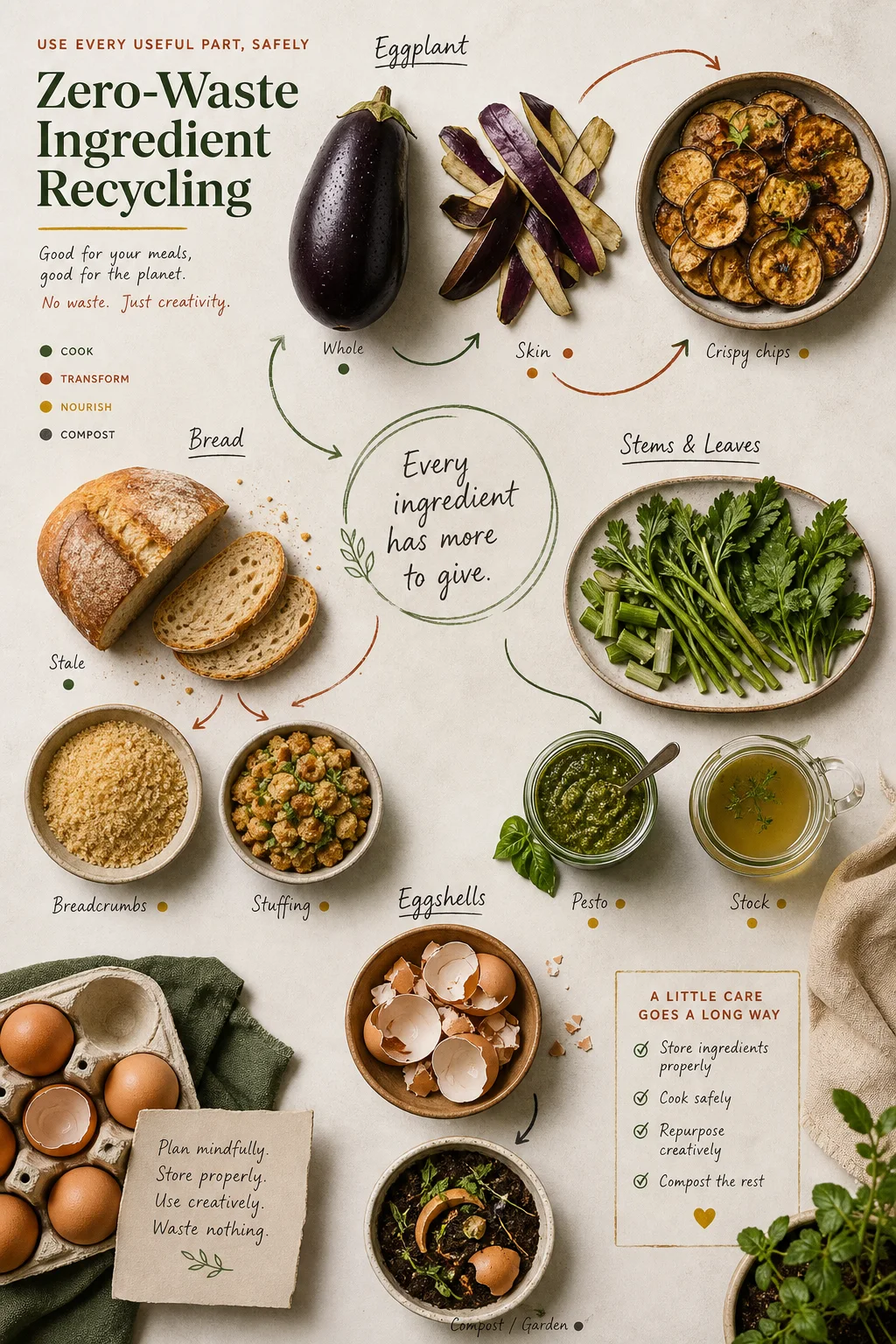
Zero-Waste Ingredient Recycling

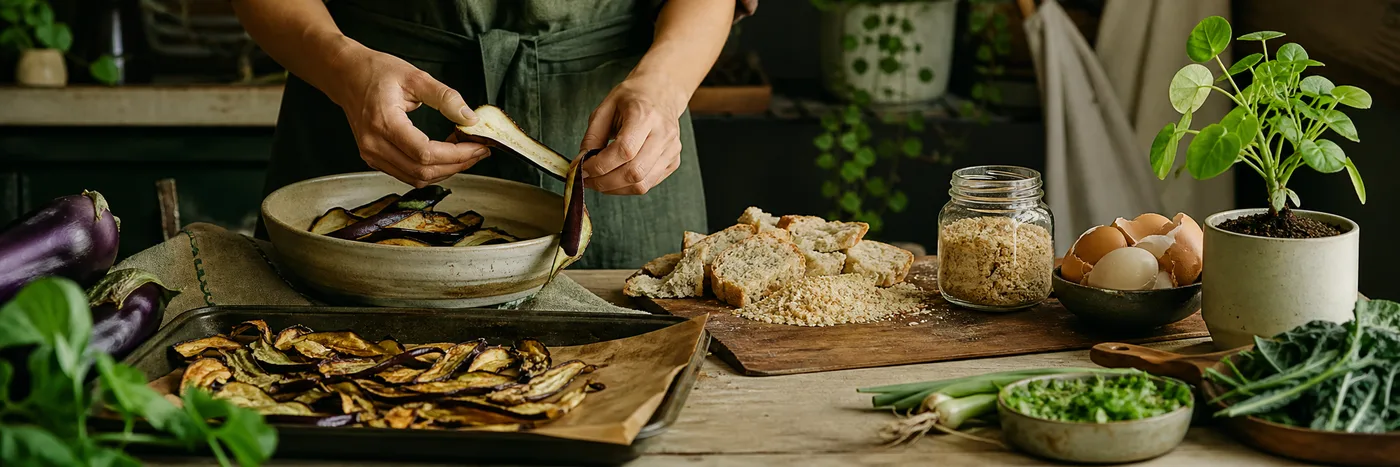
Beyond the broader budget workshops, I would like to develop a creative-reuse series on using every part of an ingredient — eggplant skins into chips, eggshells into plant fertilizer, stale bread into stuffing — nothing wasted.

Read more

This would be a dedicated creative-reuse series, separate from the broader budget and meal-planning workshops. I would show how eggplant skin can become chips while the core and flesh become sauce or stuffing, how boiled eggshells can be dried and ground for plants, and how stale bread can become breadcrumbs and then stuffing. The emphasis is on seeing useful possibilities in ingredients people normally throw away.

Smart everyday food

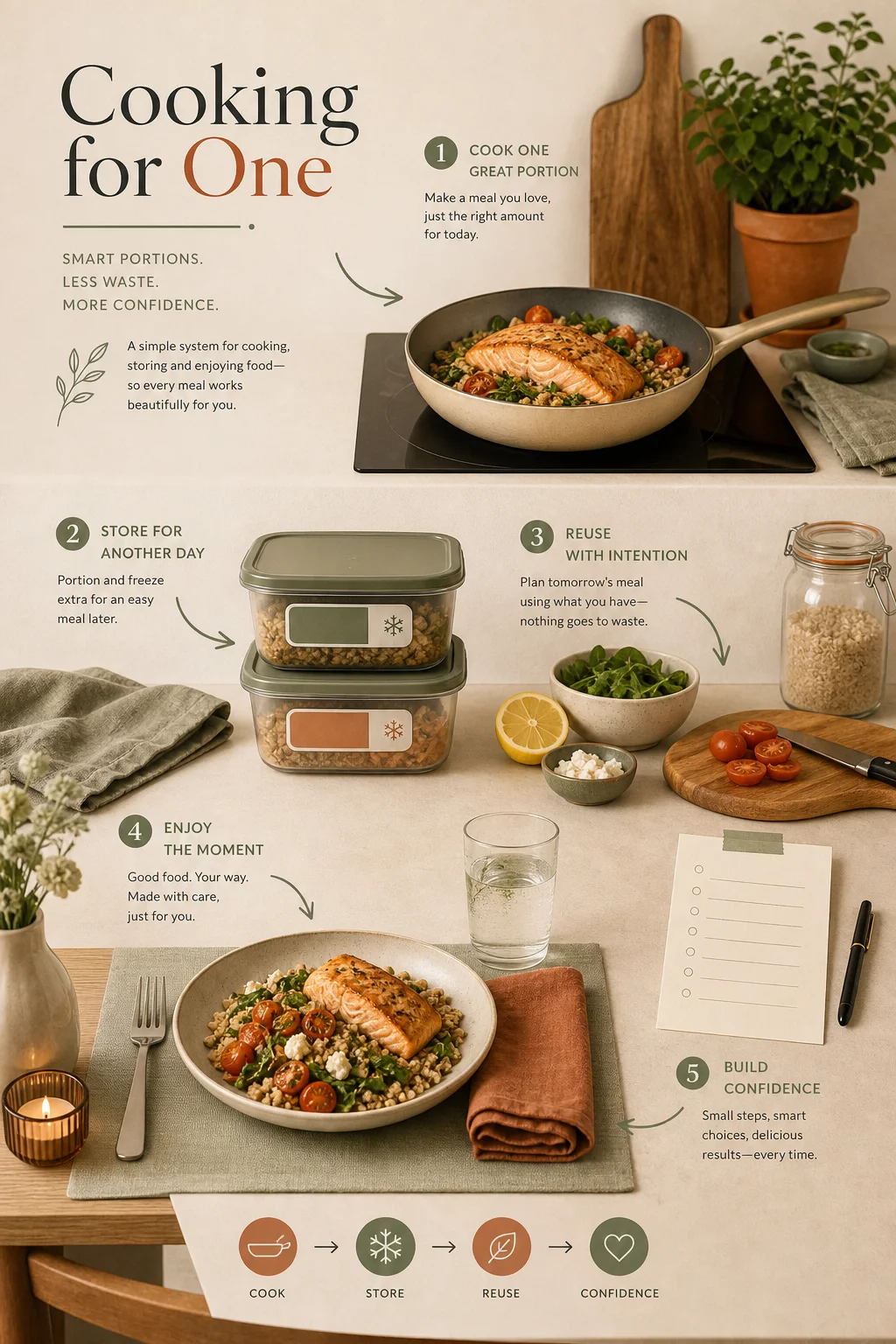
Cooking for One

People living alone could benefit from a practical workshop focused on portion-scaling skills and smart freezing techniques that cut both food waste and cost.

Read more

The workshop would tackle the practical problems of cooking alone: scaling a recipe down, using half an egg or half a lemon without wasting the rest, and freezing leftovers without ruining their quality. It could be a one-off two-hour session or a three- to four-session series where each meeting produces a complete meal. The focus is helping people who live alone spend less per portion and stop losing money through unused food.

Flavour & history

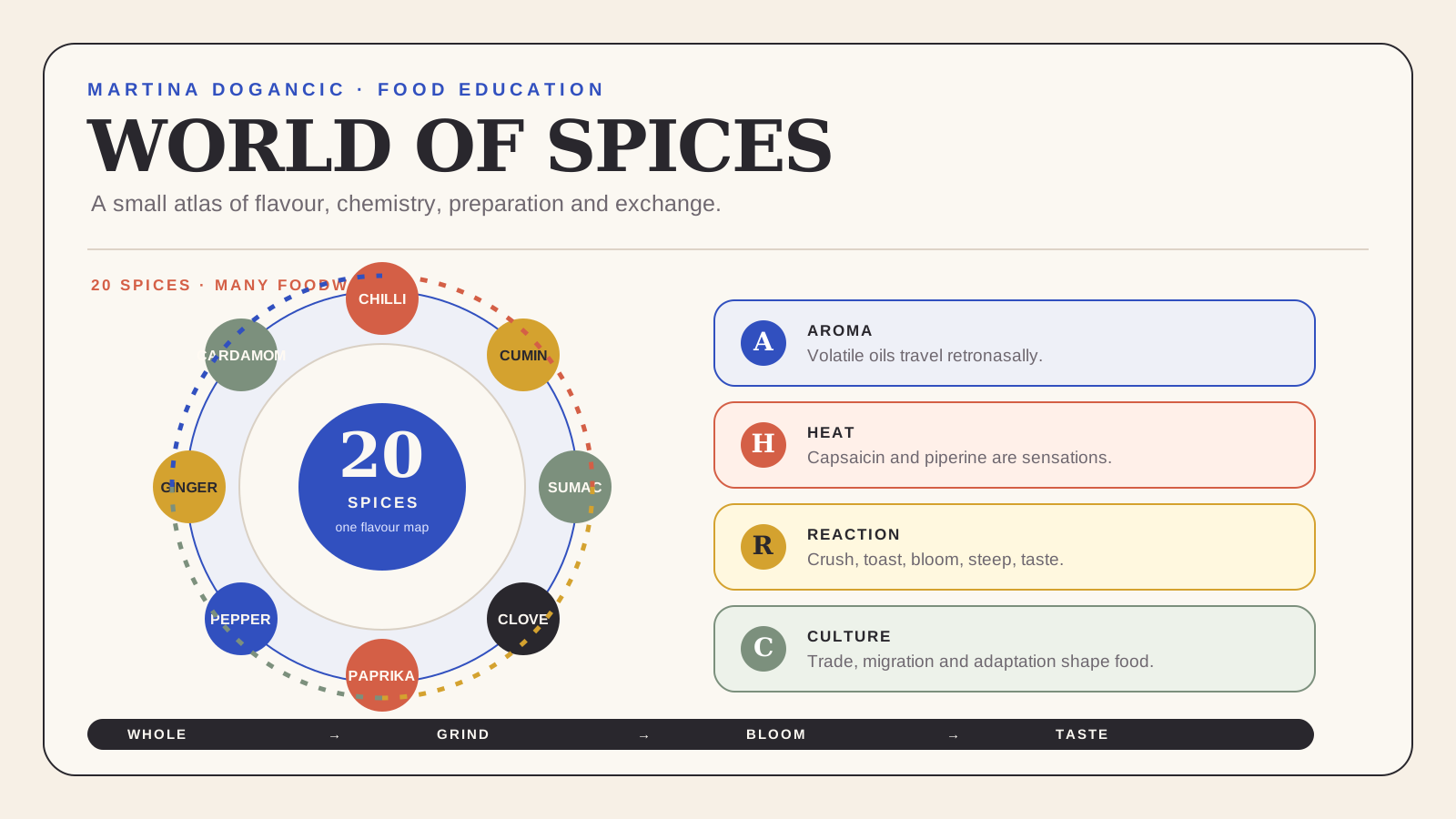
World of Spices

Curiosity about flavour and history could become a lecture-style deep dive into roughly 20 spices from around the world — their origin and the specific science behind how each one works in a dish.

Read more

I would take people through around twenty spices, explaining where they come from, how they are harvested and dried, and what they actually do in a dish. Bay leaf is one example: it grows on a tree, becomes more aromatic as it dries, and can balance excess acidity in dishes such as goulash. The format could stay lecture-style with demonstrations, or develop into a hands-on series pairing one spice with one dish at a time.

Cook with character

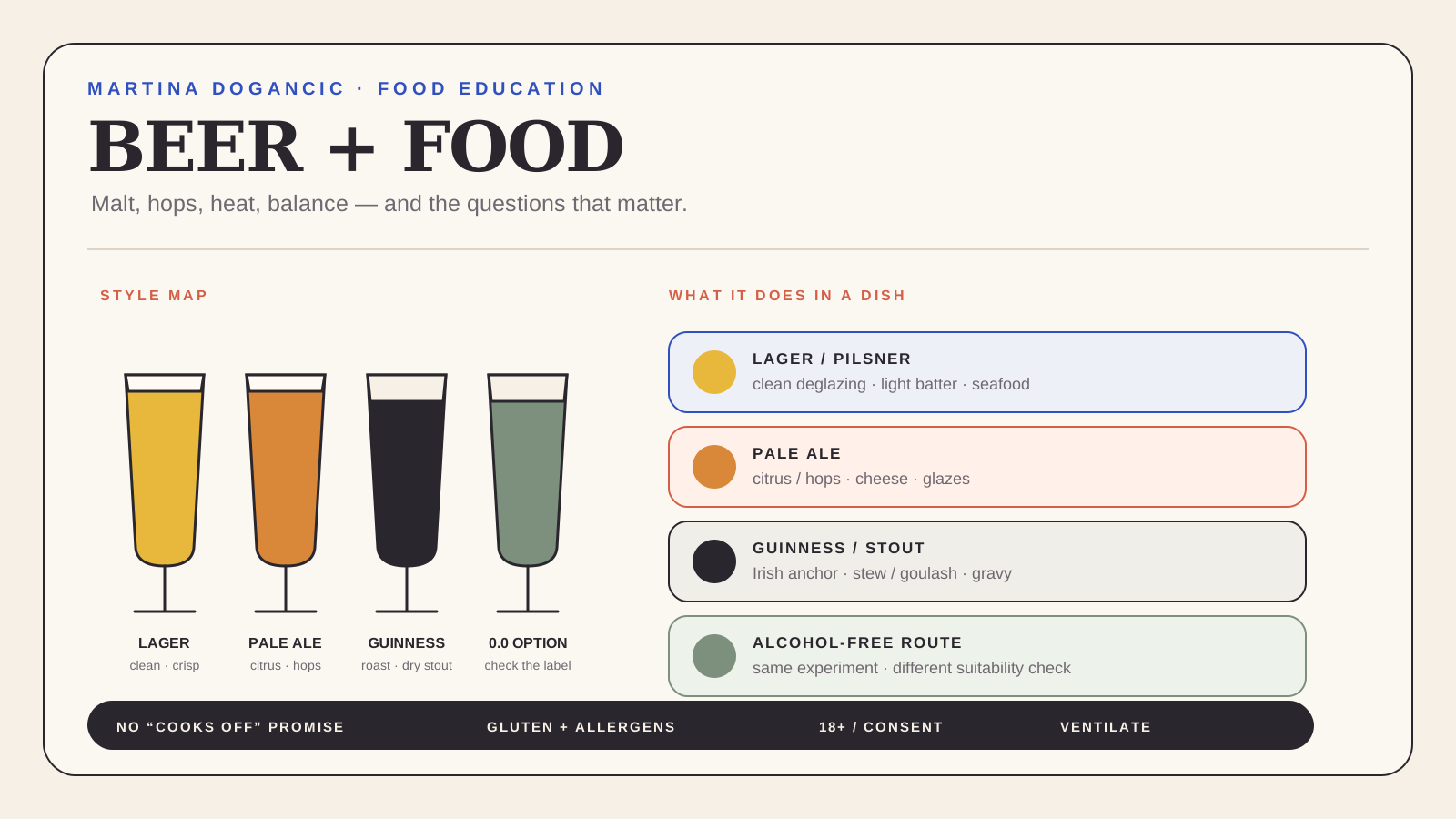
Beer Cooking Workshops

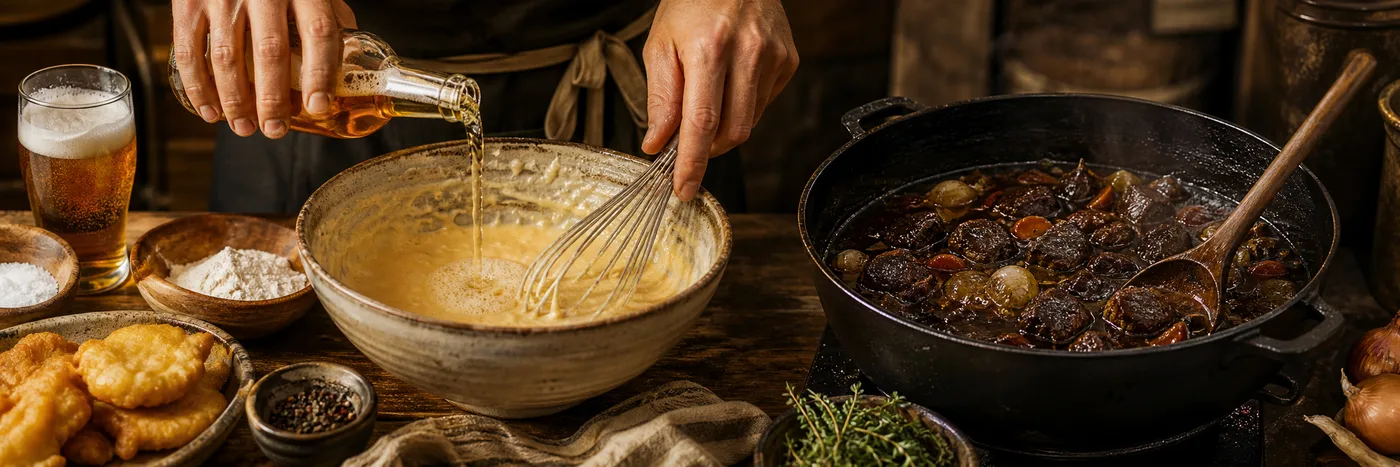
I would like to develop a food-first cooking-with-beer workshop — from versatile batters to Guinness-based stews — and test whether a responsible, clearly scoped sponsor can help make it viable.

Read more

The workshop would teach a flexible beer-batter base that can be used for chicken, shrimp, pork, or chips, alongside deeper dishes such as a Guinness-based goulash or stew. A brewery, non-alcoholic beer producer, distributor, or food festival could support a small pilot with product, expertise, venue access, or a modest budget. The class should remain useful without sponsorship, and any brand visibility would be transparent, optionality-friendly, and subordinate to the food learning.

From milk to craft

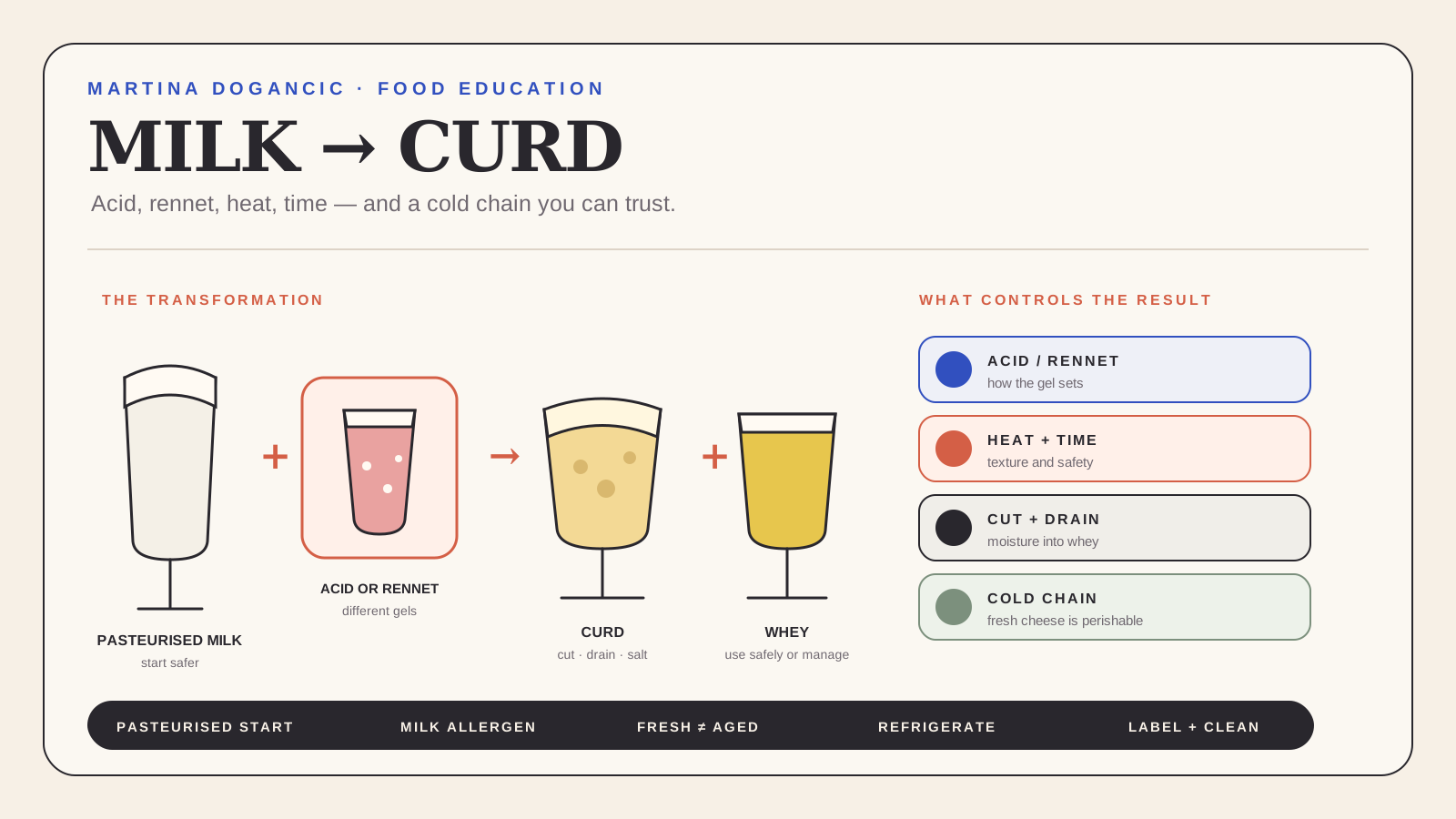
Cheese-Making Workshop

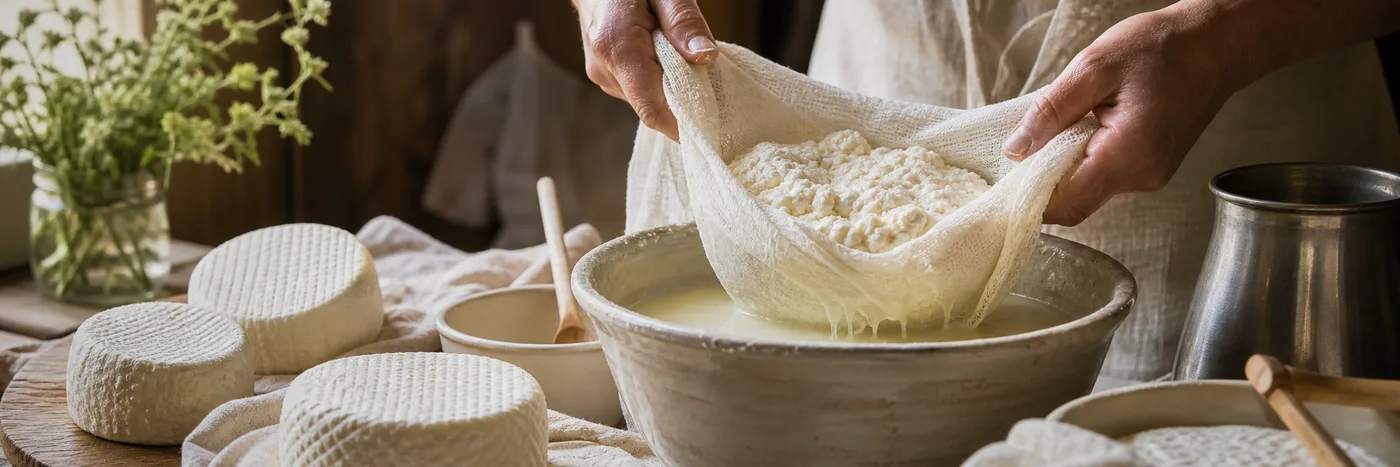
From milk to finished dish, I would like to develop a from-scratch cheese-making class — curdling milk, forming and drying curd, and cooking with the finished homemade cheese.

Read more

This would be a tactile, from-scratch class: curdling milk with vinegar, separating and shaping the curd, learning how to dry it into a firmer cheese, and making a simple fresh cow's-milk cheese. The final step would be cooking with what participants made, so the workshop connects food science with a useful result they can recreate at home.

Plant-powered

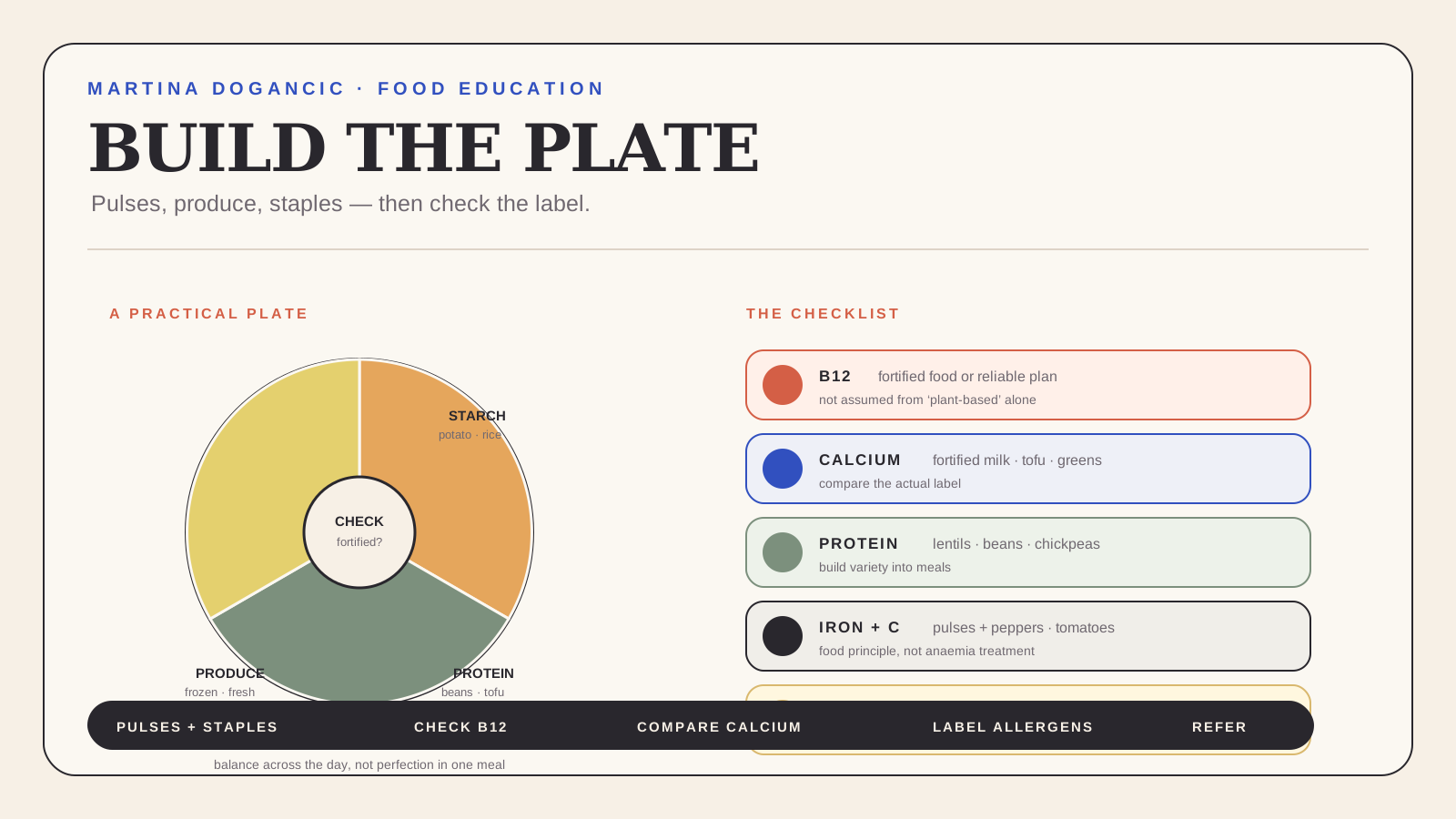
Vegan & Vegetarian Nutrition Workshop

I would develop a practical vegan and vegetarian nutrition workshop combining affordable cooking, balanced-plate basics, label literacy and hands-on swaps for people eating more plant-based meals.

Read more

I would distinguish vegan, vegetarian, flexitarian and pescatarian patterns, then explain how to build a balanced meal rather than simply remove meat. The practical section would make affordable staples from scratch—lentil soup, chickpea curry, bean-and-potato chilli or tofu/soya mince—alongside label comparisons for B12, calcium, vitamin D, protein, sugar, salt and allergens. It would teach food skills and confidence, not diagnose deficiencies or replace a GP or registered dietitian.

Ireland, gathered

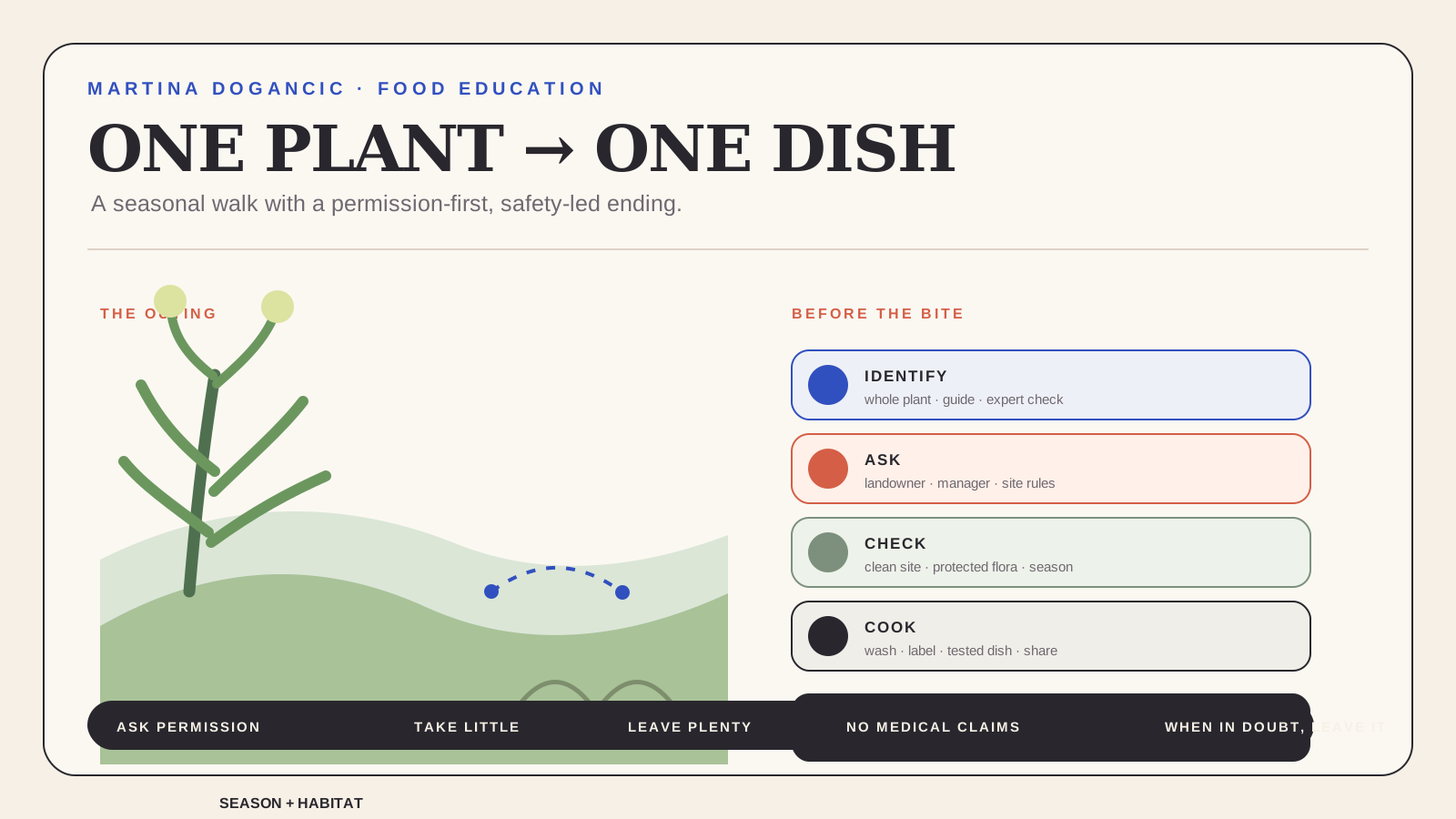
Irish Wild Edible Plants — One Outing, One Dish

Around Ireland, I would like to develop a careful series of guided nature outings and social cooking days: each outing would focus on one positively identified, permitted wild plant, followed by a practical cook-along and a shared meal.

Read more

Nettle would be the starting point, and every additional plant below would have its own separate outing followed by a cooking session. The day could begin outdoors, learning the plant in its natural habitat and gathering only what is safe and abundant, then move into a relaxed group kitchen where everyone cooks together, shares food, and gets to know one another. Most outings could take place around Fermoy and Cork; Alexanders/Motar would be a dedicated coastal trip, while rosehip would be treated as a possibility to confirm locally rather than a guaranteed Fermoy find. The plants are seasonal and habitat-dependent, so the programme would be planned around what is genuinely available. Every outing would include positive identification, safe handling, avoiding toxic look-alikes, permission and clean harvesting sites, sustainability, and the cost-saving value of food gathered without packaging or preservatives. Mushrooms would not be part of the series.

Additional plants to explore

  • Elderflower (Sambucus nigra) — cordial, fritters, vinegar, and baking.
  • Wild garlic / ramsons (Allium ursinum) — pesto, soup, butter, and savoury spreads.
  • Dandelion (Taraxacum officinale) — young leaves, flower fritters, and preserves.
  • Common sorrel (Rumex acetosa) — lemony sauces and soups; small culinary amounts only.
  • Chickweed (Stellaria media) — salad, pesto, soup, and omelettes.
  • Rosehip / wild rose (Rosa canina) — syrup, jelly, and tea; local availability to confirm.
  • Hawthorn / haws (Crataegus monogyna) — young leaves and cooked berries, with guided use only.
  • Gorse (Ulex europaeus) — flower syrup, infusions, and baking; handle carefully around thorns.
  • Blackberry / bramble (Rubus fruticosus agg.) — jam, crumble, sauces, and vinegar.
  • Alexanders / Motar (Smyrnium olusatrum) — coastal option; young leaves and stems can be used like celery, but only with expert identification because of poisonous Apiaceae look-alikes.
Public food education

The Art of Avoiding Sugar

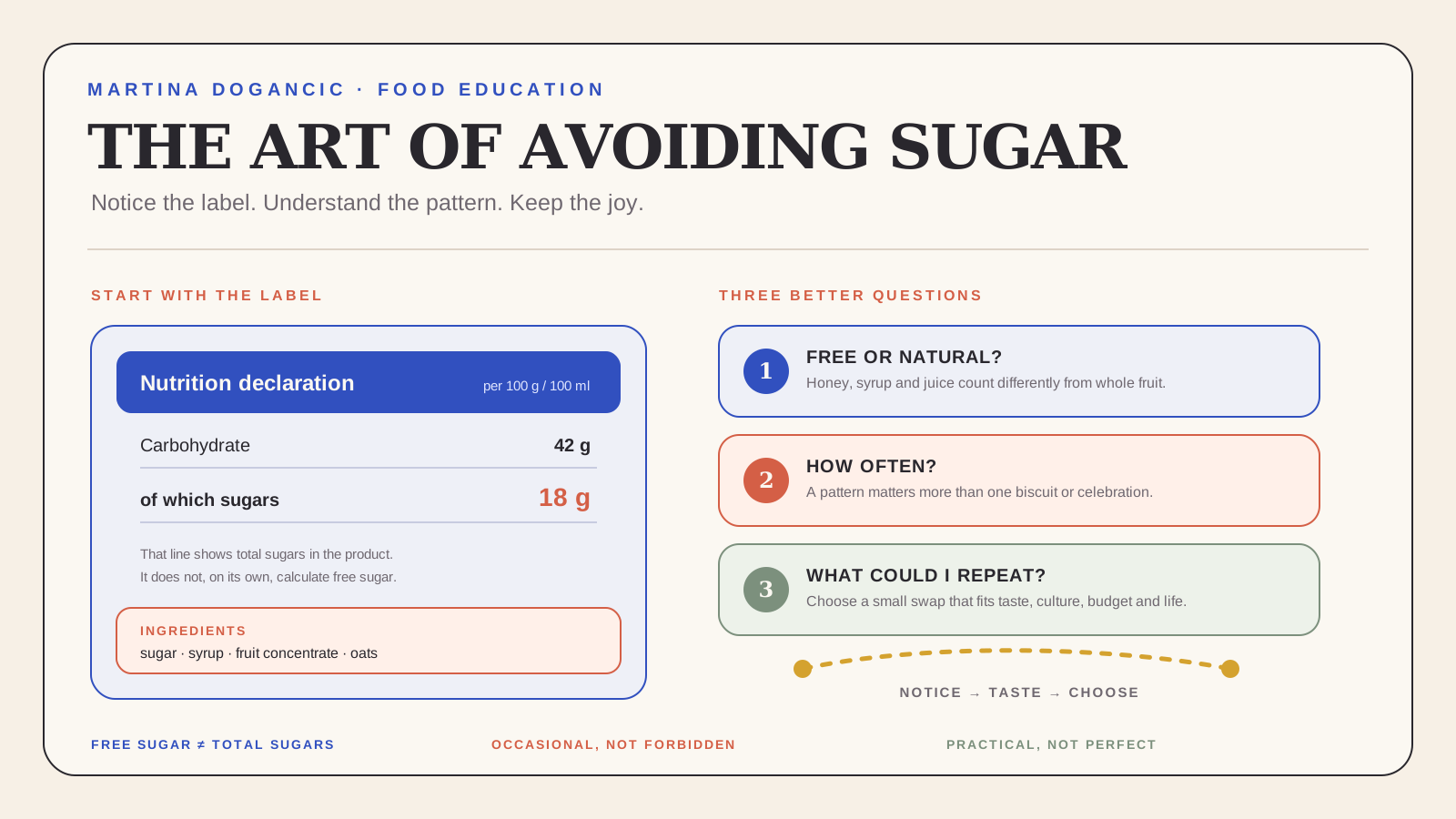
The future lecture I would like to develop would make sugar easier to see and understand — what excess added sugar can do in the body, where it hides in everyday foods, how to spot it on labels, and practical ways to reduce it without giving up flavour. The goal is prevention: helping people make healthier choices before small habits become bigger health problems.

Read more

I would make this a practical, non-judgemental public lecture about added sugar in everyday life. It would explain how to recognise sugar under different names, compare common products through their ingredient lists, show how to read labels, and offer realistic swaps and habits that reduce excess sugar without turning food into a list of forbidden pleasures. The focus would be prevention and confidence: understanding what we are buying and making healthier choices before small habits become bigger health problems.

Evidence, not alarm

The Microplastics We Eat

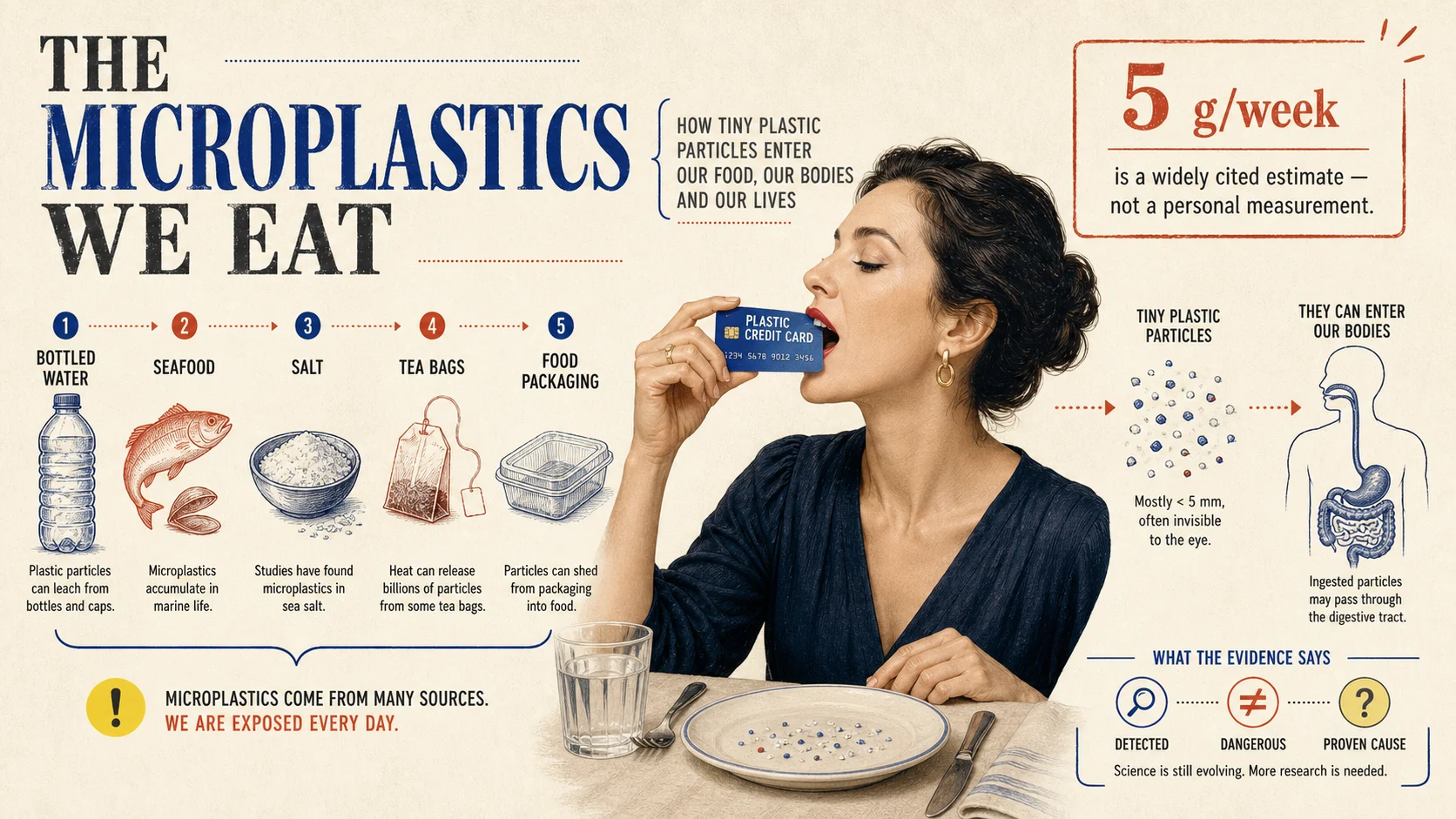
After sugar, I would like to develop a careful public lecture about microplastics in food and drink — what the credit-card comparison really means, where exposure can happen, what digestion may do, and which practical actions are proportionate.

Read more

The famous ‘one credit card a week’ line is a memorable starting point, but it is not a direct measurement of every person. I would use it to teach people how to separate detection, exposure, hazard, risk and proven harm, then move through packaging, heat, water, tea, seafood and household dust without creating fear around ordinary food. The aim would be better questions and realistic habits: reduce unnecessary single-use contact, avoid unnecessary heat or damaged containers, use safe water, and keep a varied diet while the evidence develops.

Evidence in the formulation

Beyond the Label: Ultra-Processed Food, Additives & Emulsifiers

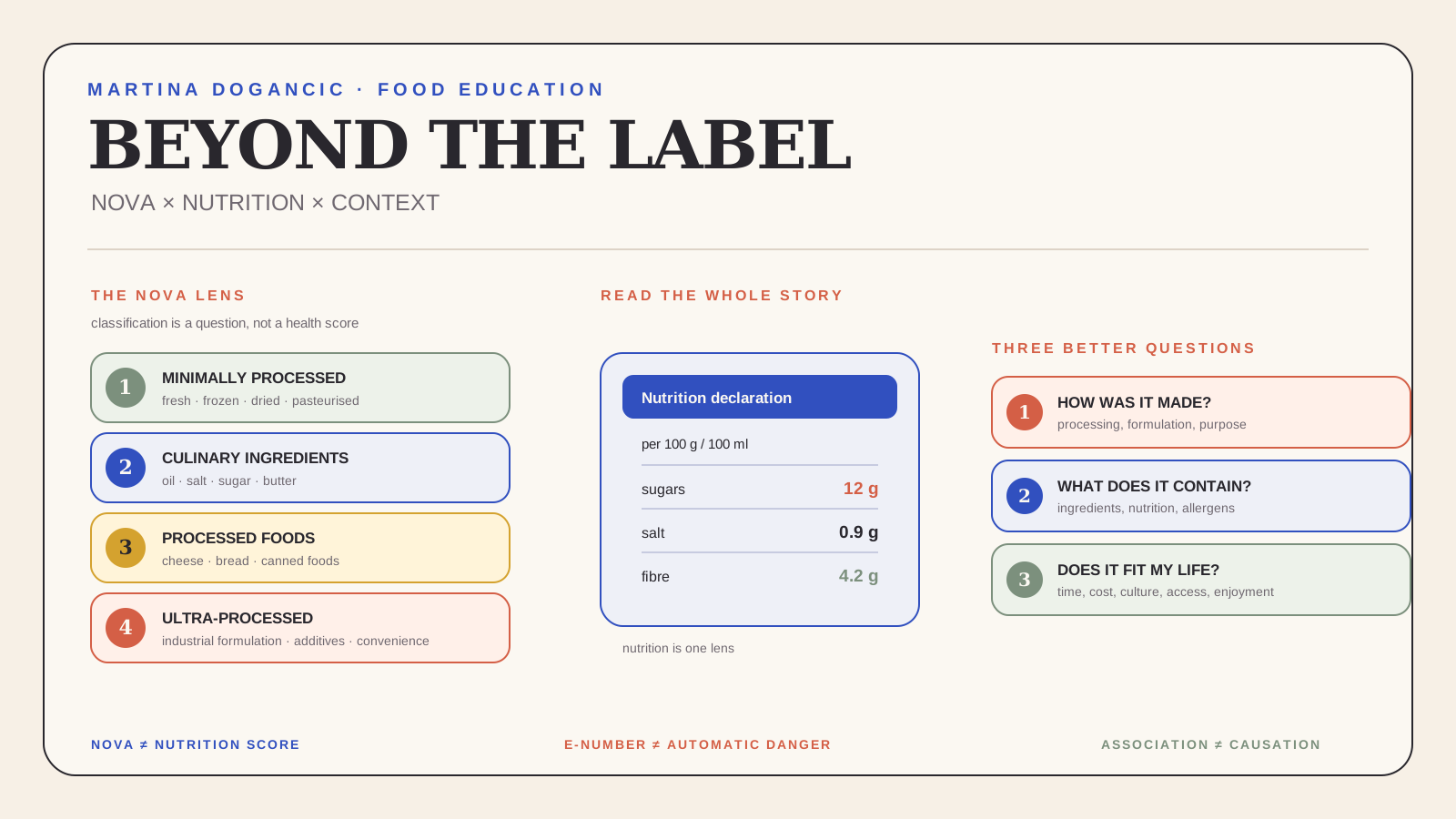
I would like to develop a careful public-education session about ultra-processed food: what NOVA is trying to classify, what additives and emulsifiers do, what Irish labels can and cannot tell us, and where the evidence is still uncertain.

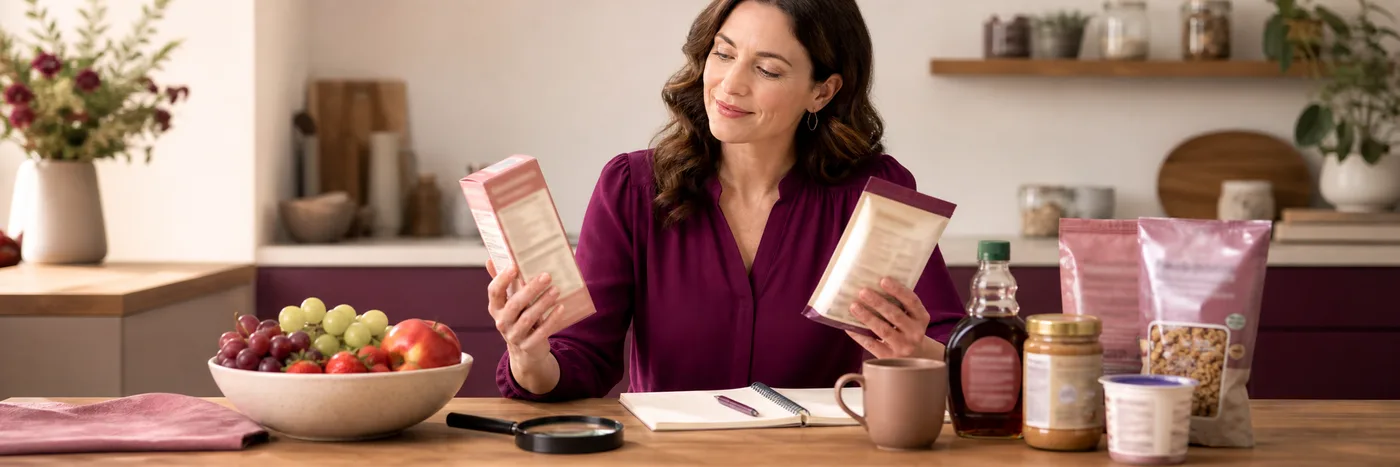
Read more

This would move beyond the simple message that every long ingredient list is dangerous. I would explain the four NOVA groups and their limits, separate processing from nutrition, unpack functional categories such as emulsifier, stabiliser and thickener, and compare real Irish supermarket products by ingredients, nutrition, price, convenience and cultural fit. The practical aim would be better questions and realistic swaps—not fear, a moral ranking of foods, or a claim that one additive explains every health association.

A clearer direction

A Revised Reflection on My Direction

After trying art, apps, and video projects, I have arrived at a clearer direction: food education through creative, practical workshops that bring me into contact with people and give me room to keep learning.

Read more

Over the past two years, I have tried many different things. I have not simply been sitting around staring at the wall — I have been testing what fits my life and learning from each experience. At the same time, I have reached some important conclusions.

I genuinely enjoy creating upcycled artwork from old frames, books, and other discarded objects, and I have considered building a business around it. However, I do not see myself being able to make a stable living from it. Perhaps it could work if I found larger clients, such as hotels or organisations, that would purchase a significant number of pieces. Even then, there would be practical challenges: logistics, storage, and finding a suitable place to work. Larger projects would require some kind of studio or atelier. Ultimately, I think this will always remain a hobby for me.

Working on my artwork calms me and gives me a sense of fulfilment. Visiting charity shops in search of discarded treasures motivates me to leave the house and interact with other people. Those things matter to me, but in the long term I do not see how I could build a stable livelihood from them.

Creating apps and videos has also reflected my strong desire to learn new things. Unfortunately, those projects tie me to the computer more than I would like. At this point in my life, that is not what I want. To recover both mentally and physically, I need to focus on leaving the house and spending more time socialising with other people.

Nevertheless, the knowledge I have gained by working with AI tools and Adaptive.ai enabled me to put this portfolio together in just two days. I can always use those skills for future projects, so they will not go to waste.

For that reason, the most logical choice for me is to continue working with what I love most and know best: food. I have always known that my palate is highly developed and that I look at food from a broad perspective. I see what works, how it works, and why — and then I explain it in a way that everyone can understand. That is why I believe I would be excellent at giving talks and lectures about food.

I am choosing workshops because they bring all of those strengths together. They would let me work with food, meet and encourage people, stay active outside the house, and keep creating new ideas instead of repeating the same routine. Each workshop could bring a different challenge and a different group of people, while still giving me the continuity and security I need to build a stable direction.

Throughout my life, I have noticed that I truly shine when I am working on new projects. Monotony slowly kills my creativity; I realised that a long time ago. I think this is precisely why my career has been so varied. I have tried many new things, and I have never seen learning something new or starting over as a problem.

With different kinds of workshops, I could apply all the experience I have gained to make each one as engaging and interesting as possible — from international cuisine and food science to practical everyday cooking, nutrition, and food education. One day, I might even support the idea with a YouTube channel or online workshops, but the heart of it would remain real food, real people, and real interaction.

I think this is exactly what I need at the moment — but who knows? Life is always writing new stories. Mine is simply being revised a little right now.

A considered next step

I have compared the ideas before choosing what to test next.

The research pages show what each idea could become. The comparative analysis puts them beside one another—expertise, physical fit, Irish need, feasibility, access, stability and risk—so my next step is grounded in evidence rather than impulse.

Compare all workshop ideas

Martina Dogancic · Fermoy, Co. Cork, Ireland

This site uses anonymous, aggregated pageview analytics without cookies or personal profiles.

LinkedIn profile

Hobbies & Talents

Hobbies & Talents

Beyond the Kitchen & the Job Title

Outside of work, I put my creative energy into short-form video — writing, filming, editing, and publishing it myself across two channels — while also building mobile-first app experiments through vibe coding. One channel is speculative and creative: sci-fi stories about where AI is taking us. The other is practical and educational: teaching everyday people to build real AI apps without writing a line of code. Together with my app projects, they say a lot about me — a genuine, hands-on curiosity about AI, and a natural instinct for turning ideas into clear, usable experiences.

A futuristic coastal city at sunset with illuminated towers and flying vehicles for Future Chronicles
Video Channel

"Future Chronicles" — Sci-Fi Content Channel

"Welcome to Future Chronicles – your glimpse into the world after tomorrow."

I created this self-taught, fully independent speculative-fiction content channel — I write every script and produce every video myself. Each episode imagines a near-future year (2026 and beyond) and explores how AI reshapes everyday life: AI tutors replacing teachers, post-work life, smart cities, virtual classrooms, AI relationships, and augmented reality replacing phones. It's the same fascination with where AI and automation are headed that runs through my career story — just pointed at storytelling instead of the workplace.

2,433

TikTok followers

40

Videos published

Watch on YouTube ↗Watch on TikTok ↗

Future Chronicles: 2026

13 videos

Future Chronicles: 2027

12 videos

Future Chronicles: 2028

12 videos

Monday the Glitch (comedic series)

5 videos

I run it like a real content operation, not casual posting: I maintain a content grid tracking topic, title, and publish status across TikTok, YouTube, Instagram, and LinkedIn for every episode, with a steady pipeline of future topics already drafted — AI-written films, geoengineering, robot soldiers, AI sports coaches, and more. It's content strategy and planning on top of the scriptwriting itself.

Made With Adaptive banner showing Don't code. Prompt. over a futuristic city scene with a woman using a laptop
Video Channel

"Made With Adaptive" — AI App-Building Tutorials

"We don't code. We prompt."

After my injury, I began educating myself in app creation with Adaptive.ai and created this practical counterpart to Future Chronicles: short, plain-English tutorials teaching everyday people to build real, working AI apps without traditional coding — using natural-language prompting instead. This was education and exploration, not employment; it became the clearest evidence yet of my natural teaching instinct applied to genuinely new territory: taking something that looks intimidating (building software) and breaking it down into steps anyone can follow, the same instinct that shows up in my cooking classes and points directly at the teaching and coaching work I want to move into next.

4.52K

YouTube subscribers

24

Videos published

Watch on YouTube ↗

A few videos from the channel

Build a Custom AI Summarizer App Like TLDR This – No Coding Needed!

How to Make a Real AI App Without Coding (Step-by-Step Tutorial)

Welcome to the World of Adaptive AI – Where Ideas Become Apps

Mobile app gallery

Hobby skillMobile apps for phones

"Vibe Coding" — Building Mobile Apps

"If I can imagine it, I can prototype it."

I use Adaptive.ai and natural-language prompting as a creative medium to turn ideas into working mobile app experiences — from playful games and sound tools to practical AI utilities. These are touch-first apps designed primarily for phones, with portrait-friendly experiences that are easy to use on the go. It is a hands-on hobby that blends product thinking, visual design, storytelling, and experimentation without needing traditional programming as the starting point.

Designed for phones and touch screens

Ongoing creative project

"Little Tales" — A Children’s Story Series

"Turning childhood memories into stories that last."

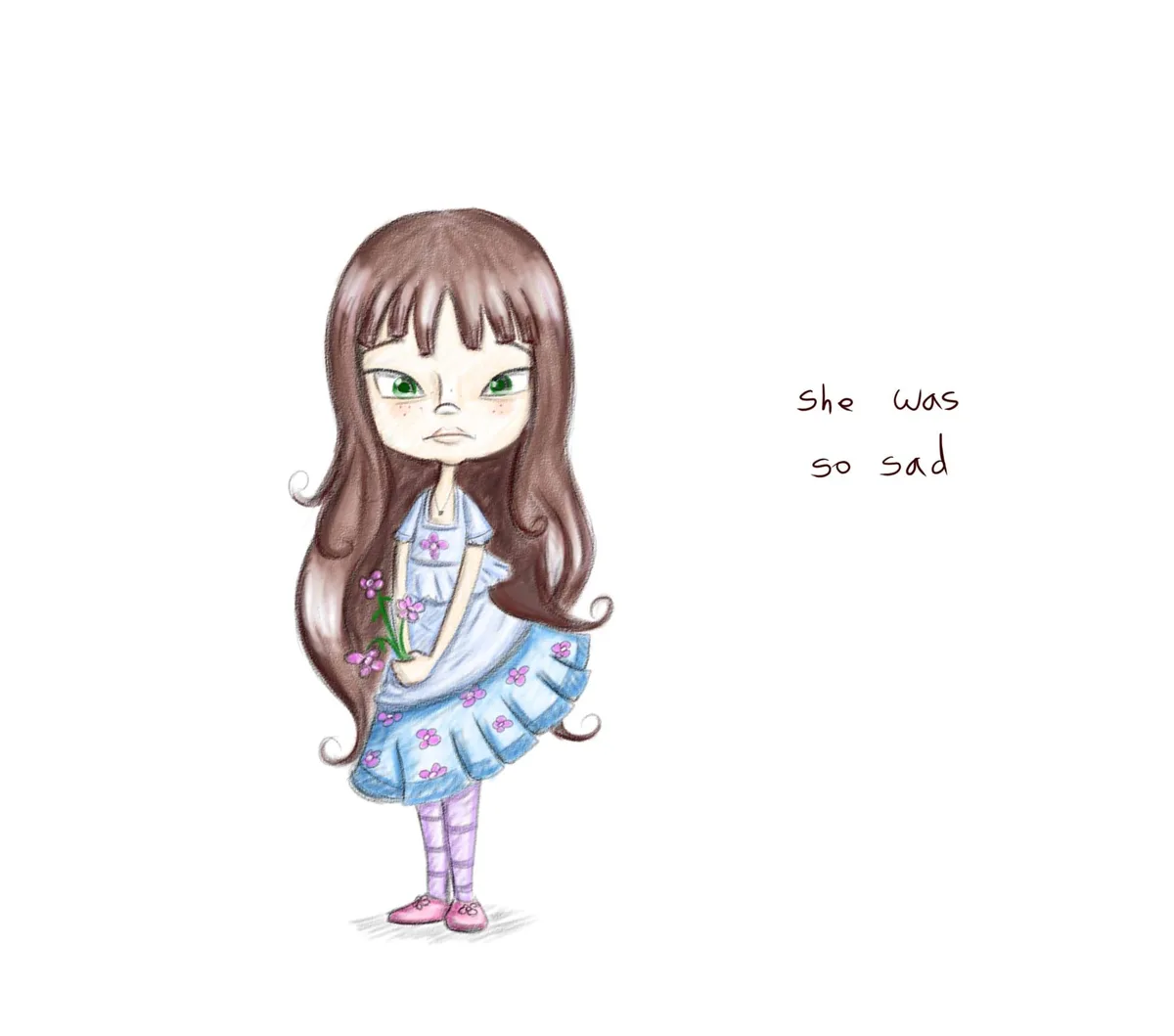
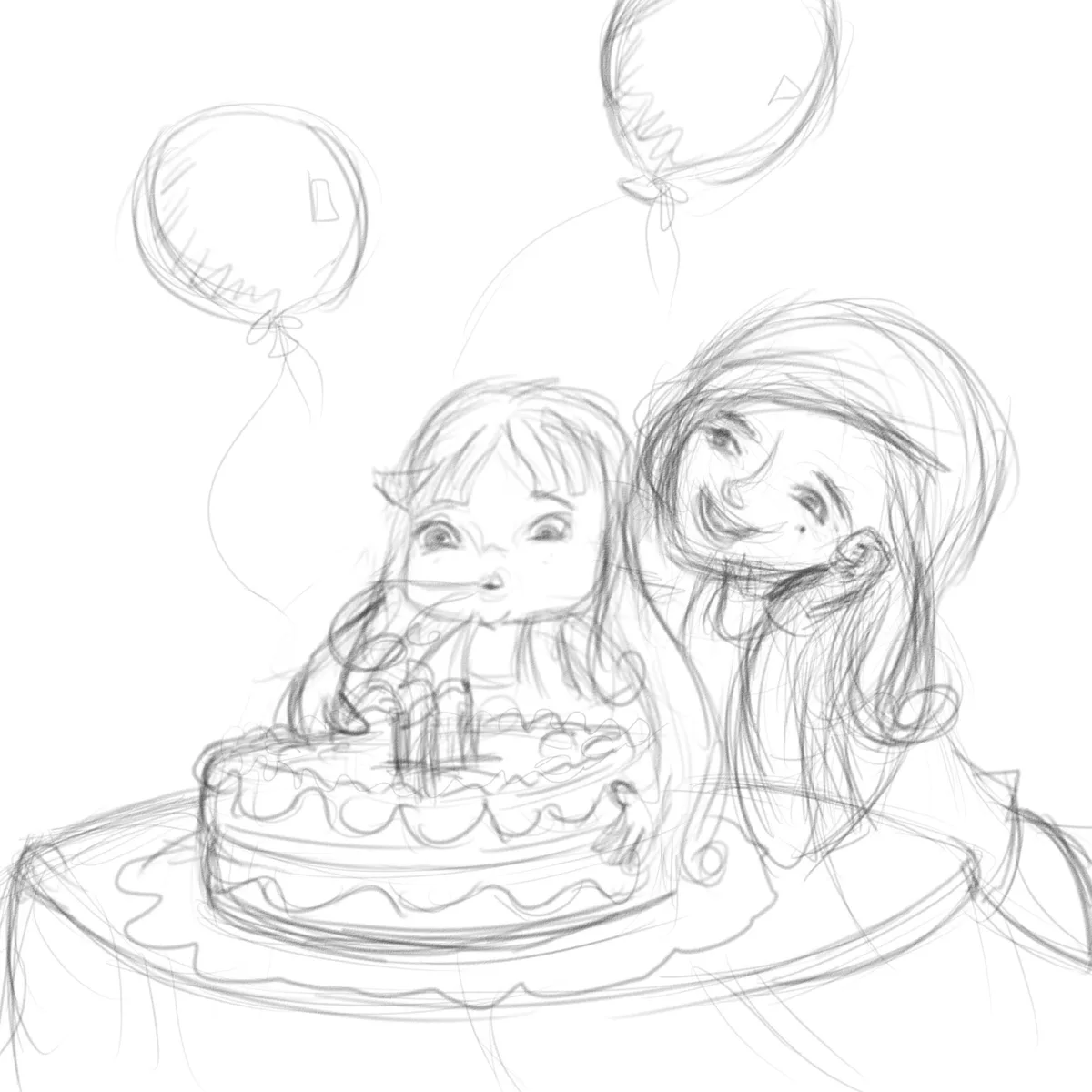
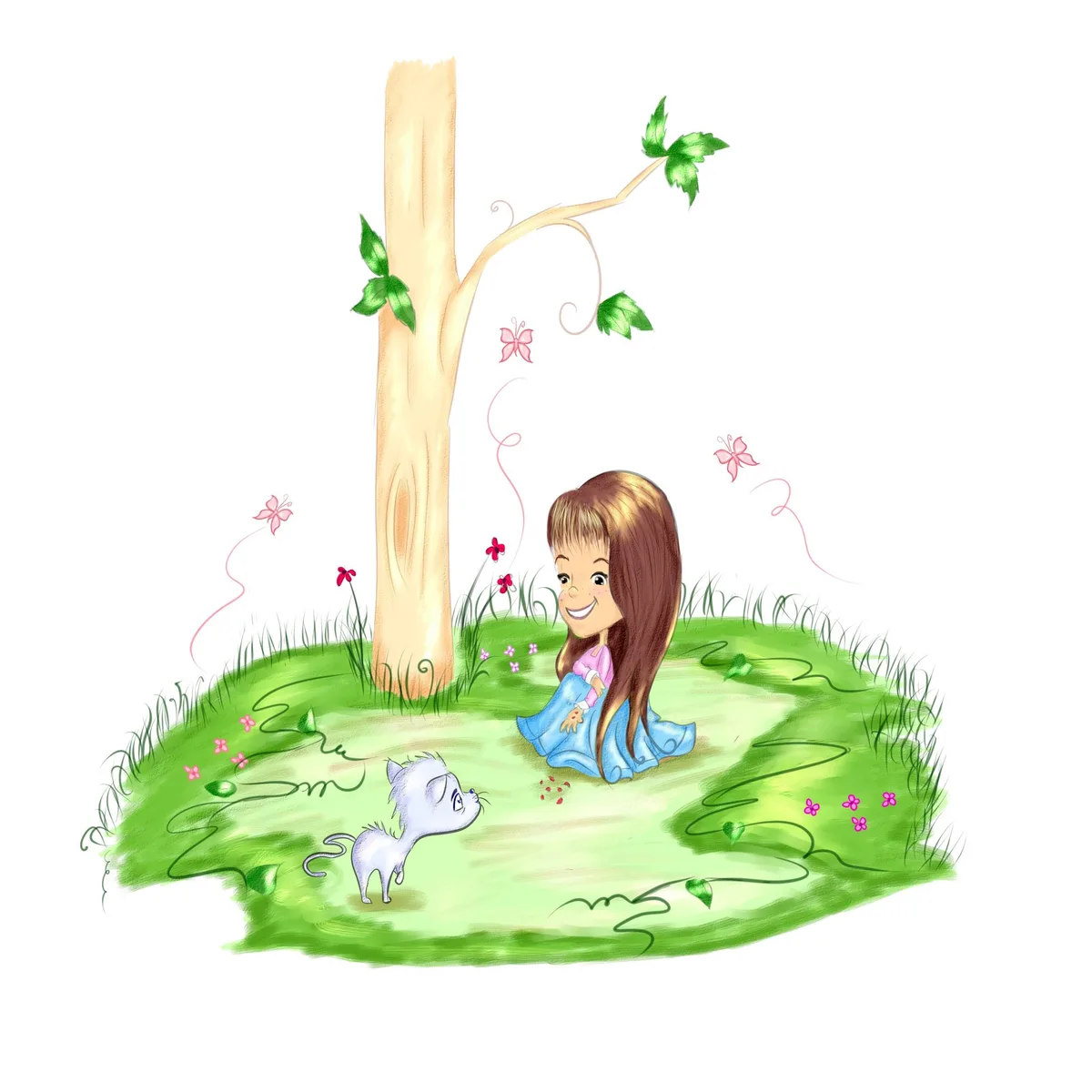
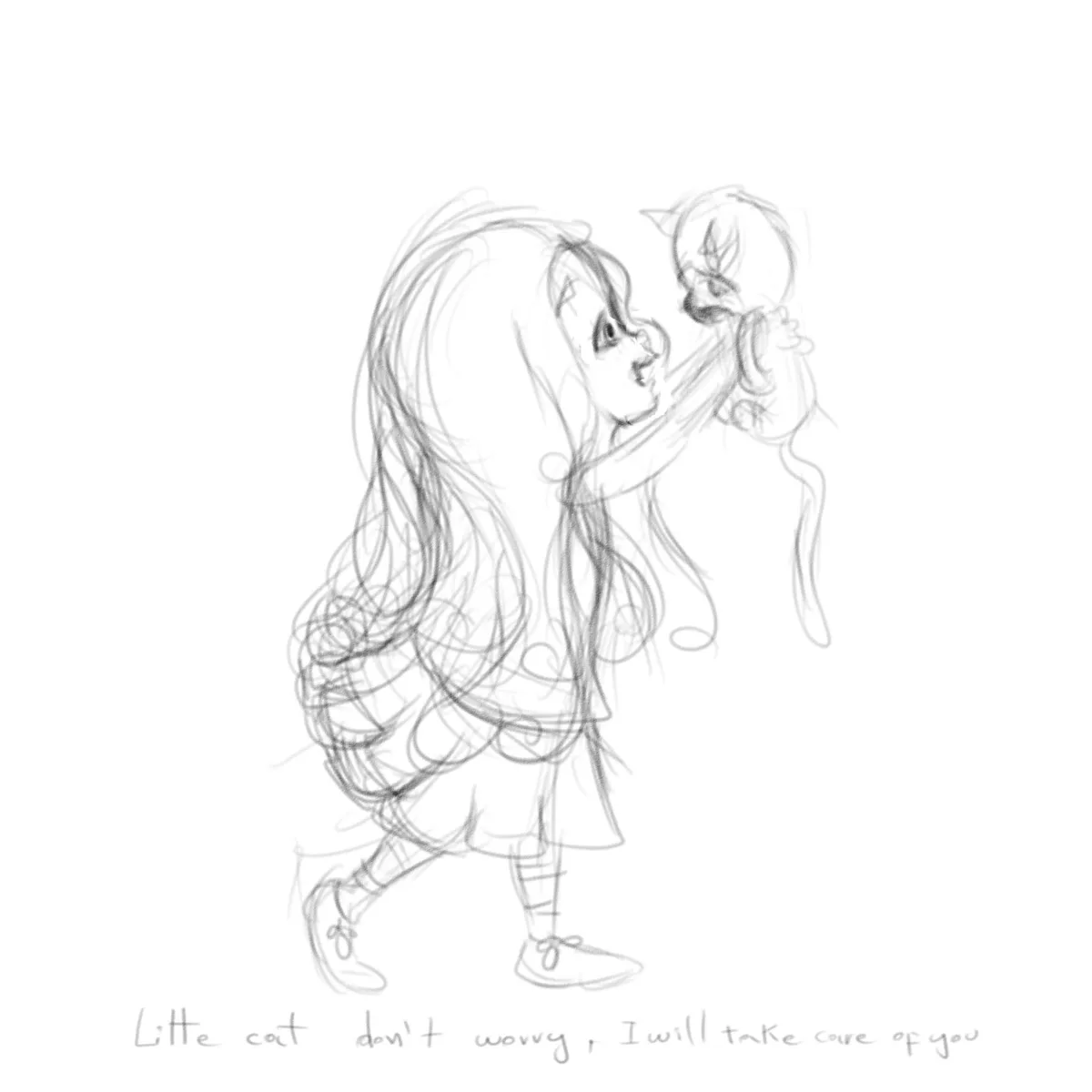
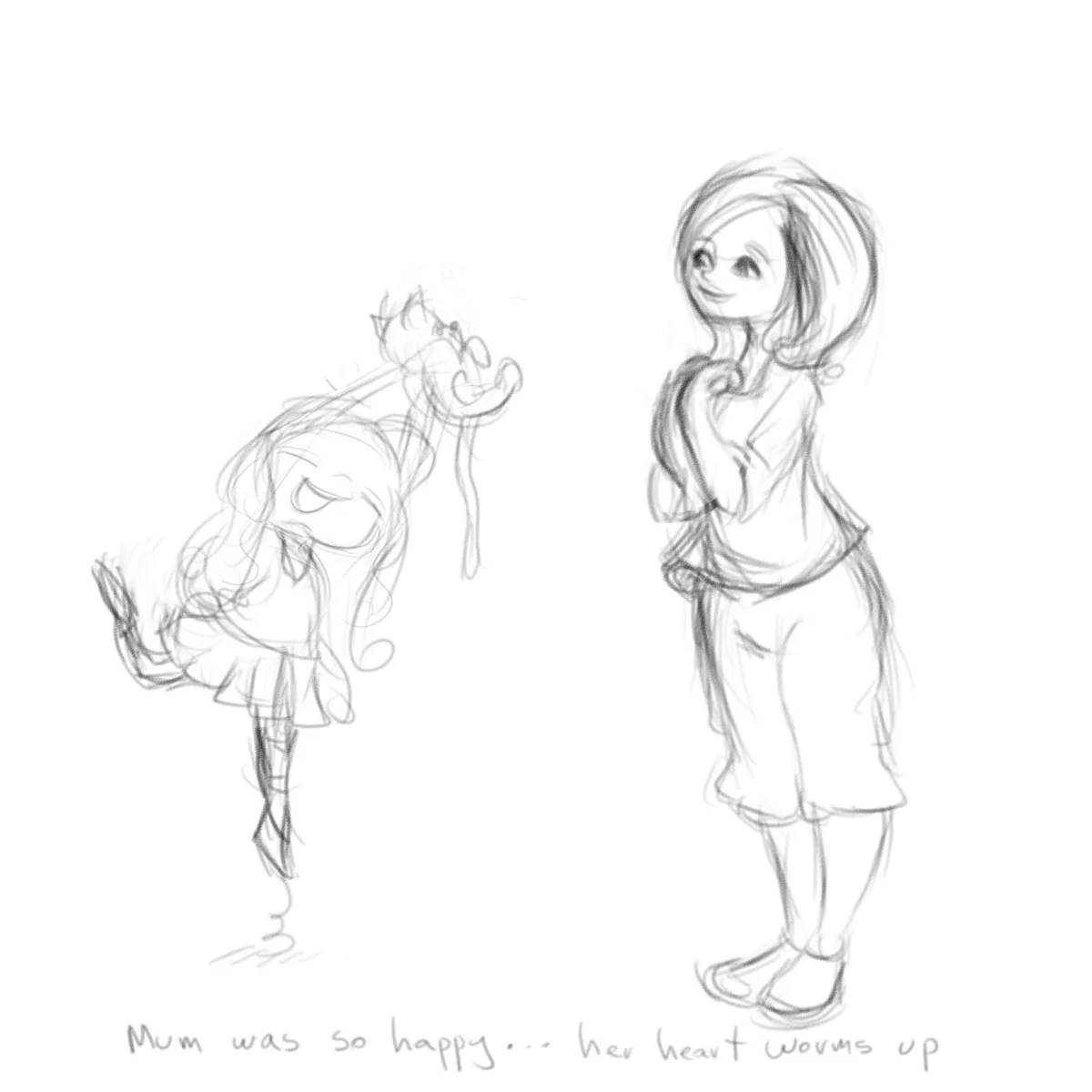
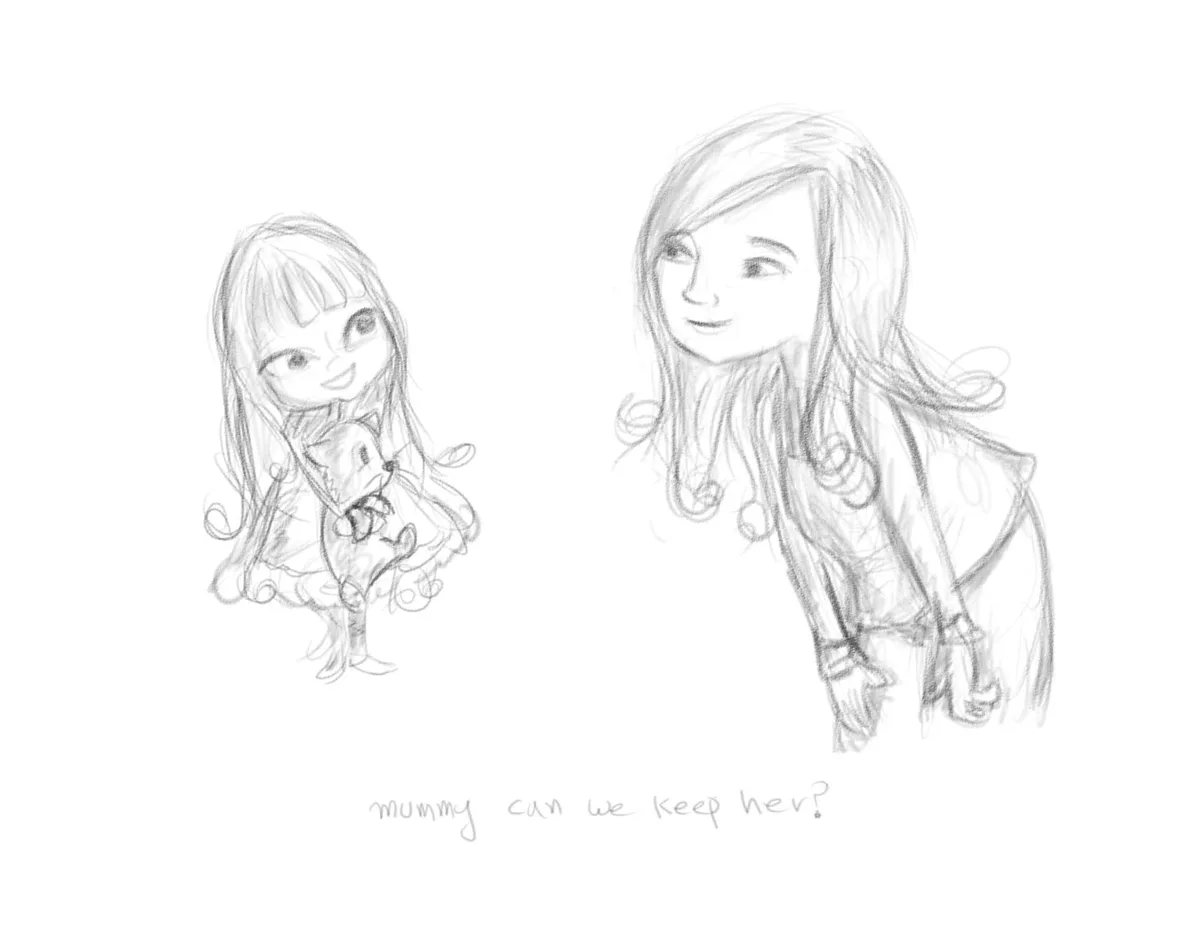
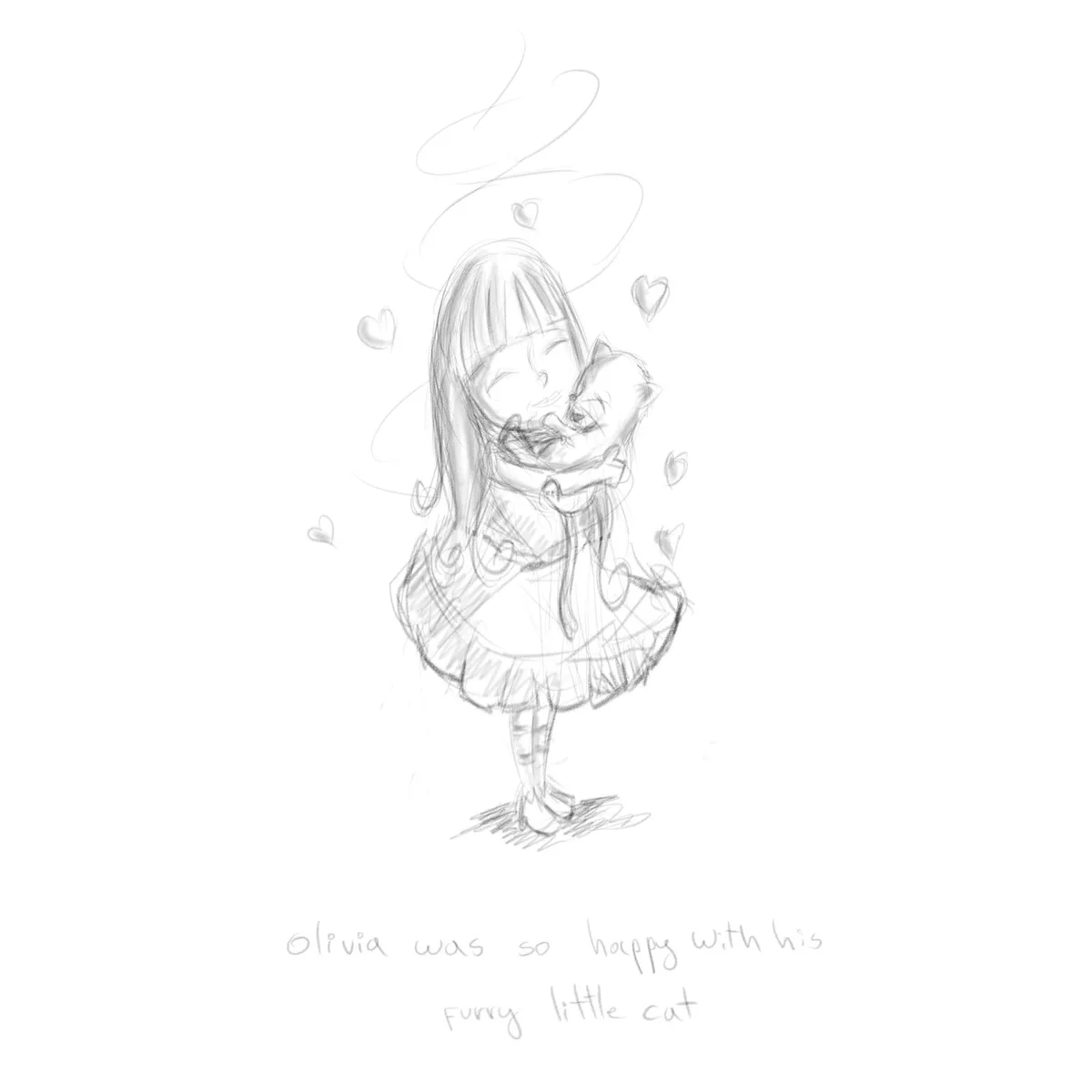
I began turning real memories from my daughter’s childhood into imaginative stories — moments like finding a cat in the park, forgetting a favourite toy, or falling from a sledge on the way to the doctor. Instead of retelling familiar fairy tales, I made our own everyday adventures into stories she could carry with her.

Colour character sketch of a young girl from the Little Tales story series
Pencil character sketch of a young girl from the Little Tales story series
Pencil sketch of a mother and daughter beside a birthday cake
Small sequence of pencil sketches showing a cat in motion
Colour scene of a young girl meeting a small cat outdoors
Pencil sketch of a girl holding a cat
Pencil sketch of a mother and daughter sharing a tender moment
Pencil sketch of a mother and daughter with a cat
Pencil sketch of a young girl cuddling a small cat

Sketches from the first story in development

The series is planned as ten stories — a long-term gift for my daughter to one day share with her own children.

Upcycled art & found objects

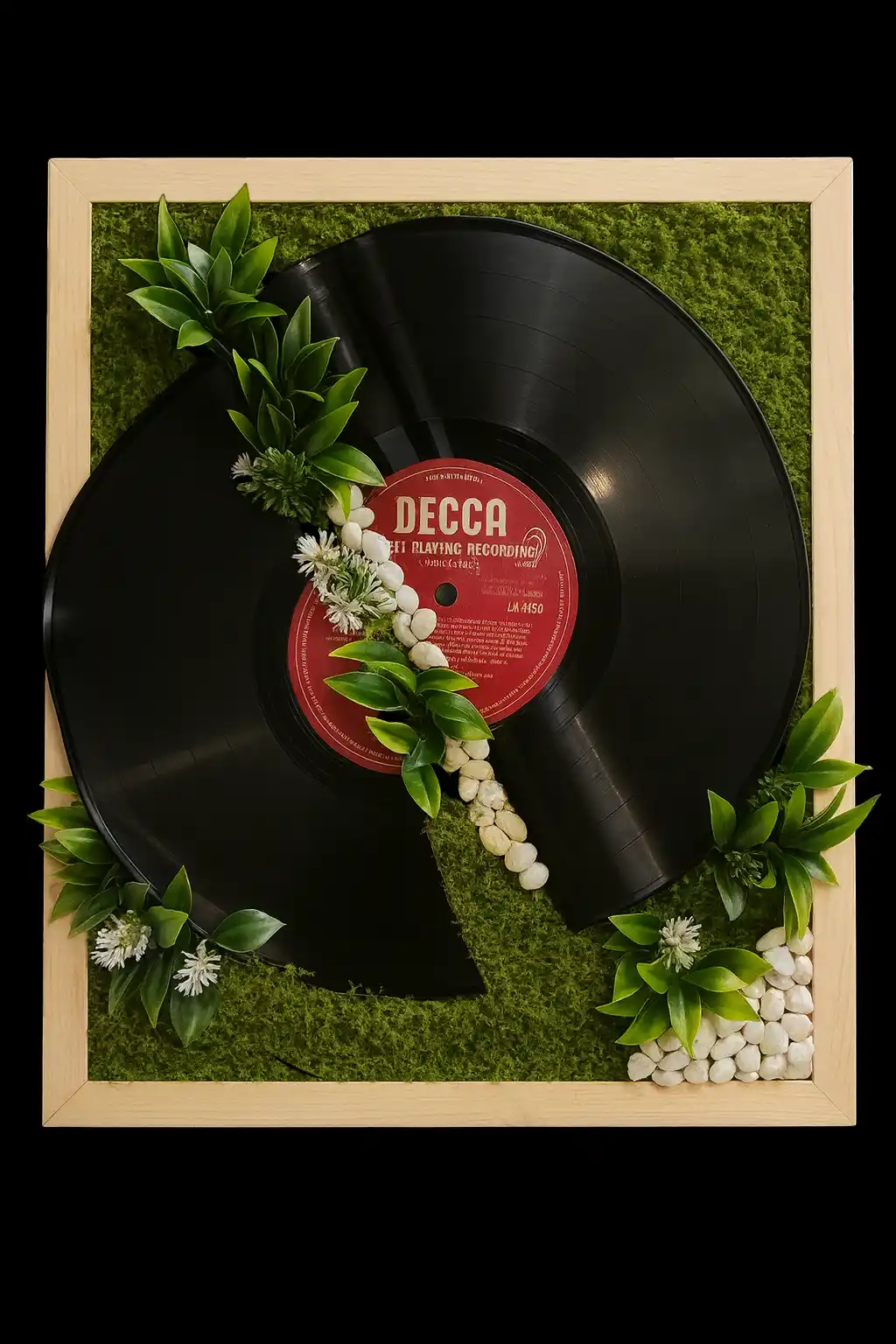
I don't paint — I create something new from old frames, books, and other objects I find in charity shops, giving forgotten materials a second life through nature-inspired compositions.

A dark framed artwork made with moss, greenery, and natural textures
Framed moss landscape
A botanical frame composition with moss, succulents, and small reclaimed pots
Succulent frame composition
A vinyl record transformed into a botanical wall artwork
Botanical vinyl record
An upcycled book artwork decorated with a small plant and natural materials
Book art with living texture
A white reclaimed dish arranged as a small moss and stone landscape
Moss in a reclaimed dish
A tall dark frame filled with layered greenery and botanical textures
Pressed botanical frame
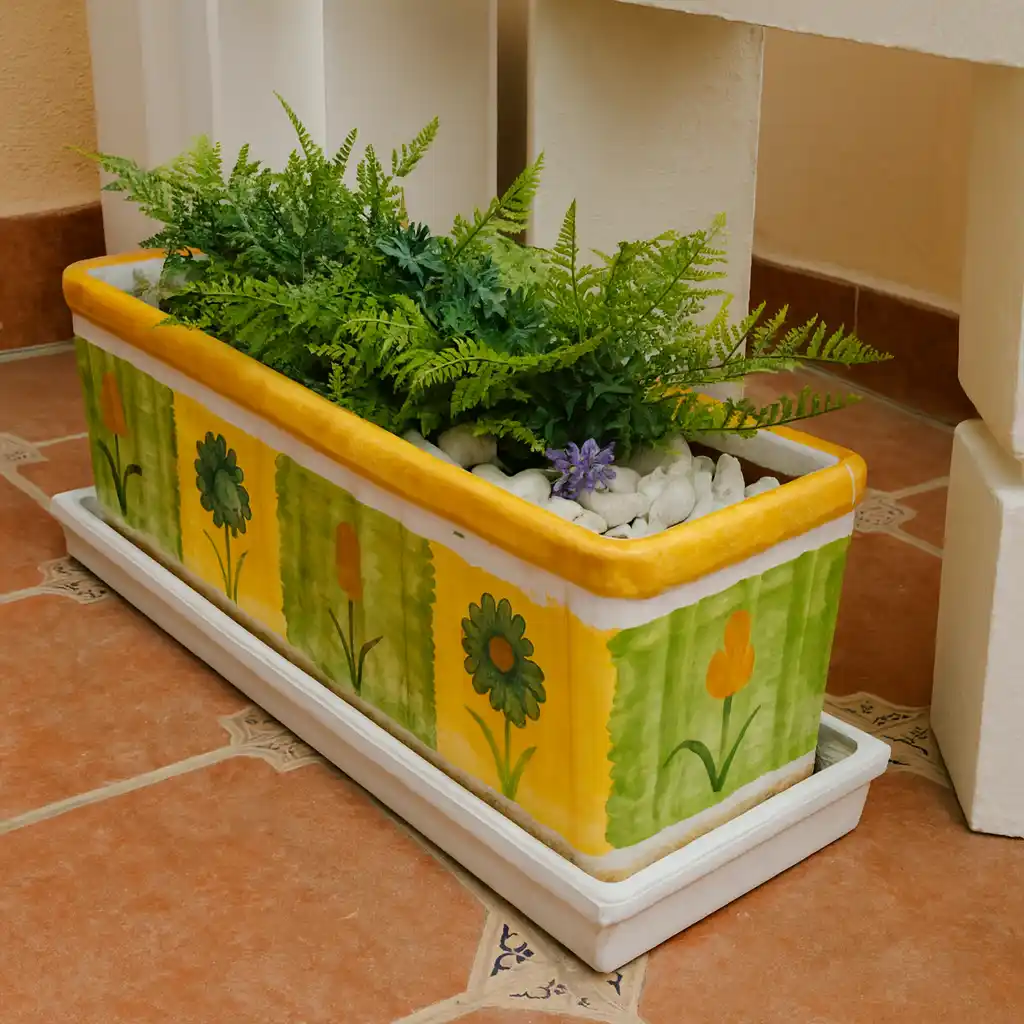
A colorful reclaimed planter box filled with lush greenery
Upcycled garden planter
A white frame filled with moss and small pink and green succulents
Succulent wall garden

Explore the full collection, custom commissions, and the stories behind each piece on the Nádúr Crafts page.

Visit Nádúr Crafts

Project archive

Luma Bites — Glow in the Dark Food

Real images from the original glow-in-the-dark food project — the experiments, the events, and the story that travelled well beyond Croatia.

5 original photos
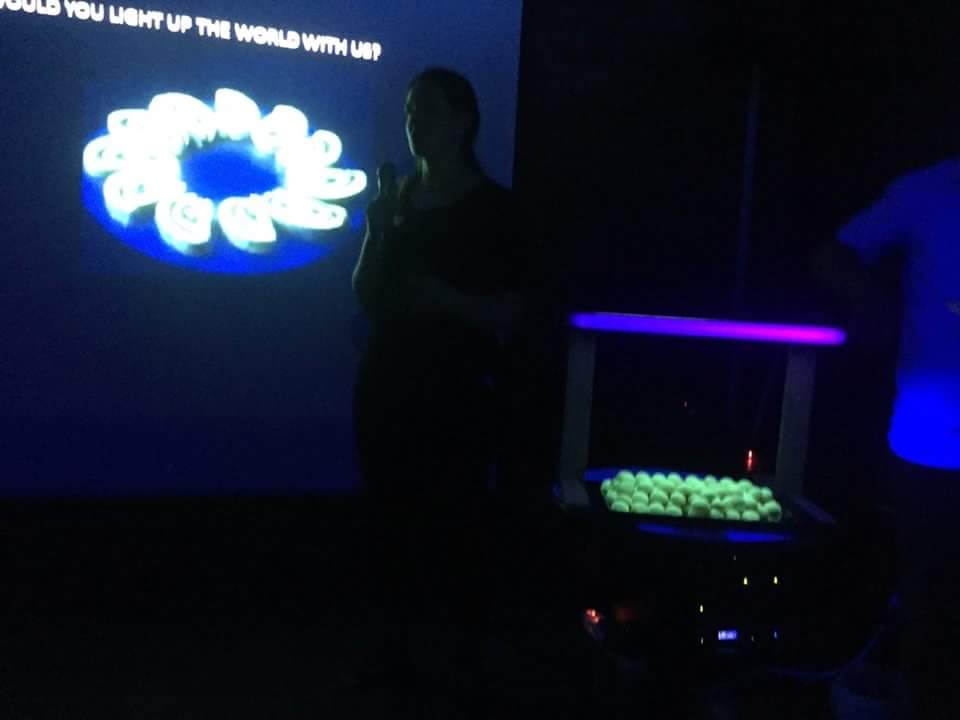
Me presenting glowing Luma Bites food at a UV-lit event
Luma Bites in action at a UV-lit event
A glowing Luma Bites creation held under ultraviolet light
A close-up under ultraviolet light
Glow-in-the-dark sushi creations arranged on a blue plate
UV-lit sushi creations
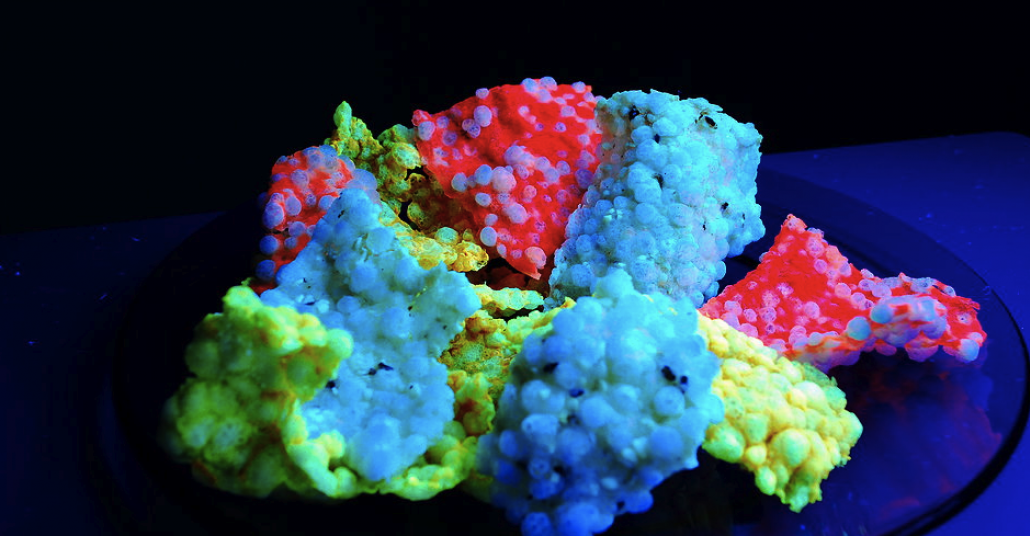
Colorful glow-in-the-dark Luma Bites food arranged on a plate
Colorful glowing bites
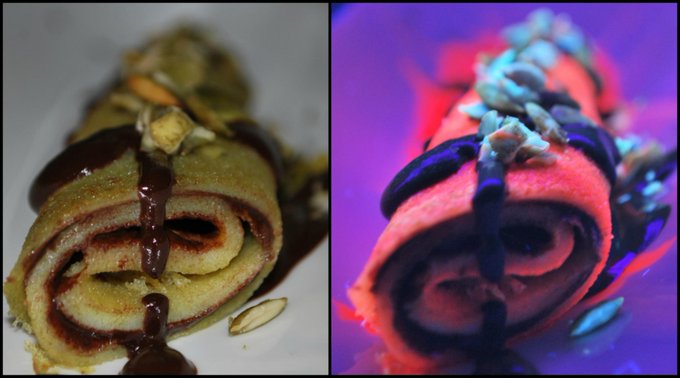
A rolled Luma Bites creation shown in normal light and under ultraviolet light
The same creation in normal and UV light

Martina Dogancic · Fermoy, Co. Cork, Ireland

This site uses anonymous, aggregated pageview analytics without cookies or personal profiles.

LinkedIn profile

Pregnancy & New Motherhood Nutrition

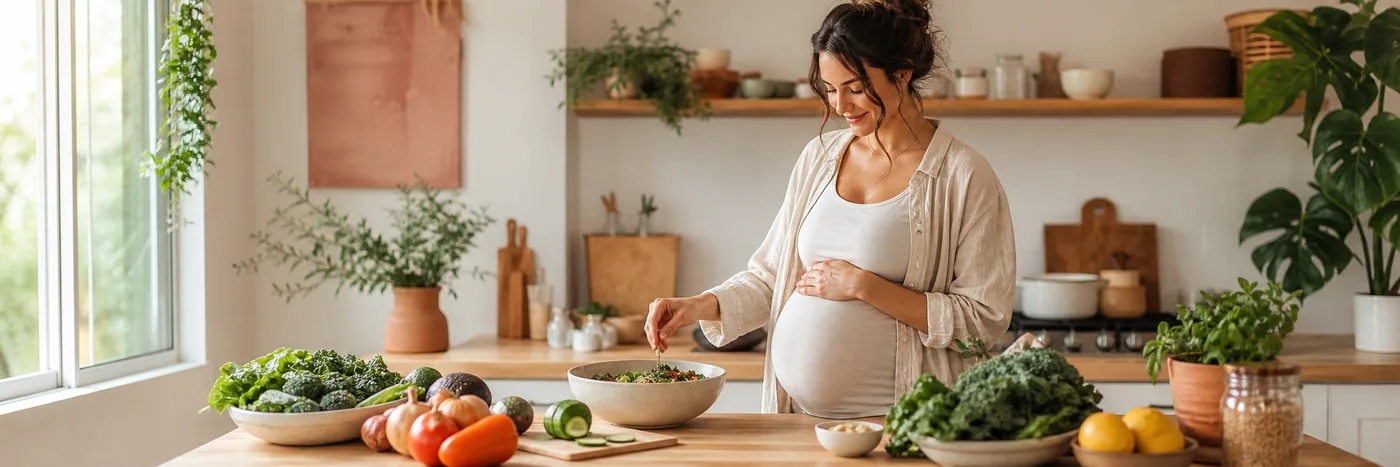
A warm visual summary of pregnancy, postpartum and first-food nutrition education
Nourish & nurture

Visual summary

Three stages, one supportive food journey

The infographic turns the course idea into a simple visual path: pregnancy nutrition, breastfeeding and postpartum support, then the transition to first foods. The research below explains the audience, evidence and safe boundaries.

What the image is showing

  • Practical food decisions alongside trusted clinical guidance
  • Small-group connection for pregnancy and early parenthood
  • A gentle bridge from adult nutrition to first solids
Workshop research · Cork, Fermoy & Ireland

Pregnancy & New Motherhood Nutrition

A market and needs assessment for a practical three-week programme that connects pregnancy nutrition, breastfeeding preparation, postpartum food and the transition to first solids.

Evidence-ledCommunity-firstBaseline: final 2023 data
Executive read
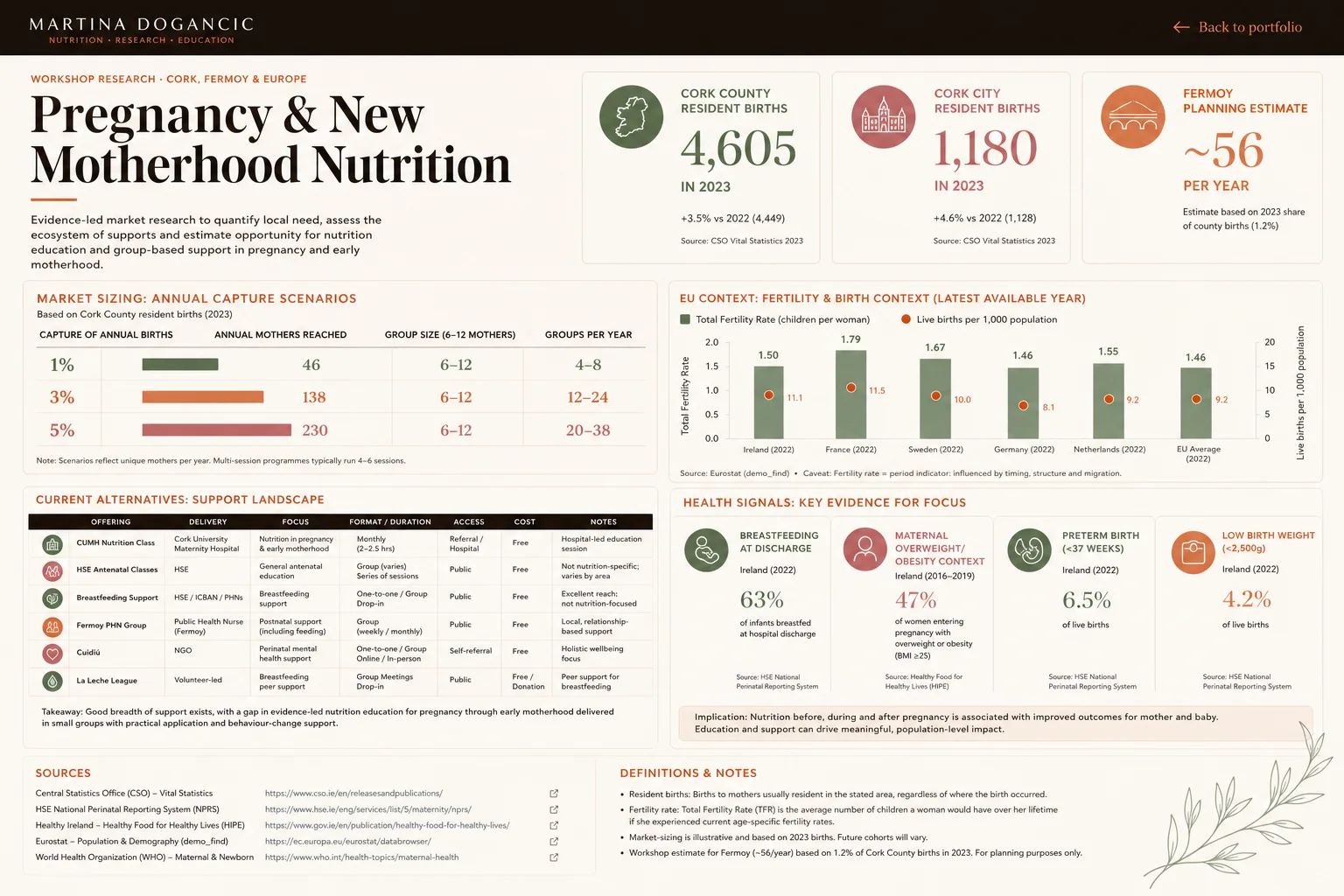
The audience is large enough for a focused pilot.

Cork City and County recorded 5,797 births in 2023 by the mother’s area of residence. A monthly eight-seat group would need roughly 1.7% of that annual cohort to fill a year.

The opportunity is not a lack of information. HSE and maternity services already provide clinical guidance. The opportunity is a local, practical bridge between advice and the real question: “What should I buy, cook, eat and feed?”

01 · Market size

A visible annual cohort, with a smaller local pilot inside it

There is no official count of people currently pregnant. Annual births are therefore the cleanest observable proxy for the flow of families entering pregnancy, birth and early-parenthood services. Women aged 15–49 show the wider potential population, not the number who are pregnant.

annual births
5,797
Cork City + County · final 2023 births by mother's residence
women aged 15–49
139,129
Cork City 58,227 · Cork County 80,902 · Census 2022
Fermoy births / year
~86
Planning estimate only, modelled from the county birth rate
The local geography
Final 2023 resident births are the baseline. 2024 is shown separately because the CSO source is provisional.
AreaPopulationWomen 15–492023 births2024 provisionalReading
Cork City224,00458,2271,1711,6352024 figure is provisional.
Cork County360,15280,9024,6264,3072024 figure is provisional.
Cork City + County584,156139,1295,7975,942Best broad launch-market proxy.
Fermoy6,720Not published~86Not publishedModelled estimate, not an official town count.

Fermoy has a 2022 population of 6,720. Applying the Cork County 2023 birth rate of 12.84 per 1,000 residents gives approximately 86 births per year. That is a planning model, not an official Fermoy birth count, and the town boundary differs from older census definitions.

Resident-birth scale · final 2023

Cork City1,171
Cork County4,626
Cork City + County5,797

This chart shows the relative size of the two resident markets and their combined launch-market proxy. It is not a count of available customers: some families will use free public services, some will not be looking for a course, and one family may generate interest across more than one stage of the programme.

CUMH recorded 6,428 hospital births in 2023 by place of occurrence. That number is larger than the 5,797 Cork-resident births because hospital activity and mother’s area of residence answer different questions; use it as an ecosystem and partnership signal, not as the local market size.

What the market-size chart means
Births are a flow of potential participants, not a promise of demand.

The broad addressable market is the 5,797 annual birth cohort across Cork City and County. The immediate serviceable market is smaller: families in Fermoy, East Cork and Cork City who are reachable through a venue, partner or online class.

The practical implication is encouraging: the project does not need mass adoption. It needs a trusted local referral path and a modest monthly cohort. The population data support a pilot; they do not replace interviews, a waiting list or a paid test.

Capacity scenarios
Based on eight places per group and the 5,797 annual baseline.
1% capture58 people · 8 groups/year
3% capture174 people · 22 groups/year
5% capture290 people · 37 groups/year

A monthly eight-seat course creates 96 seats per year, equal to about 1.7% of the 2023 City + County birth cohort. This is a capacity calculation, not a forecast.

02 · European context

Ireland is a relatively high-birth market by EU standards

A European comparison helps position the local opportunity. It does not predict Cork demand: national fertility rates describe births per woman across a whole country, while the workshop still needs a local audience and a trusted delivery route.

Total fertility rate · 2023
Average live births per woman · Eurostat demo_find
Replacement level is approximately 2.1
France1.66
Ireland1.50
Germany1.39
EU-271.38
Italy1.21
Spain1.12

Ireland’s 1.50 sits above the EU-27 average of 1.38 and above Spain and Italy in this comparison. That supports the case for a meaningful family-services ecosystem, even as fertility is below replacement level everywhere shown.

Eurostat also reports Ireland’s 2023 crude birth rate at 10.3 per 1,000 people, second-highest in the EU behind Cyprus, versus an EU average of 8.2. These are national context signals, not Cork forecasts.

03 · Health signals

The need is practical, specific and not about fear

The strongest case for the programme is better confidence and healthier routines. The research does not support claiming that Cork babies are born obese. Birth weight, prematurity, breastfeeding and later childhood weight are different measures and must not be collapsed into one headline.

60%
insufficient iodine status

2025 UCC study of 1,509 first-time pregnant women at CUMH

Source
61.9%
breastfed at first PHN visit

Ireland, 2024 HSE indicator

Source
6.2%
low birth weight

Babies under 2,500g · Ireland, 2022

Source
17.7%
overweight or obesity

Primary-school children · HSE COSI 2022–23, not newborns

Source
What this tells us

A 2025 UCC study of 1,509 first-time pregnant women at CUMH found insufficient iodine status in 60% of participants. This is a concrete local argument for practical, evidence-based nutrition education, with clinical referrals where needed.

HSE indicators show breastfeeding at the first public-health-nurse visit in 61.9% of cases in 2024. That makes breastfeeding preparation and realistic postpartum support relevant, without turning the workshop into a promise of one “correct” feeding choice.

What the data does not say

The 17.7% overweight-or-obesity figure applies to primary-school children in the HSE COSI survey, not newborns. Babies are assessed using growth charts and clinical context; “obese at birth” is not a responsible market claim.

Cork-specific public data are incomplete for maternal BMI, gestational diabetes, infant feeding duration and child weight outcomes. Those gaps are a reason to use careful wording, not to invent a number.

04 · Existing alternatives

The information exists; the format gap is the opportunity

This scan found strong public and community support across Cork. The proposed workshop should complement—not compete with—clinical care by translating guidance into affordable, repeatable kitchen behaviour.

CUMH Nutrition & Pregnancy
Expectant mothers attending CUMH · Online class

Strength: Clinical, dietitian-led guidance

Opportunity gap: Not a local social cooking programme; hospital-specific eligibility

Check the current service page
HSE antenatal classes
Pregnant women and partners · Usually free; maternity-unit based

Strength: Pregnancy, labour, birth, newborn care and breastfeeding preparation

Opportunity gap: Broad preparation rather than a food-centred, hands-on series

Check the current service page
CUMH breastfeeding classes
Women who have delivered at CUMH · Online or face-to-face

Strength: Lactation-consultant support and practical preparation

Opportunity gap: Focused on breastfeeding, not the full pregnancy-to-weaning journey

Check the current service page
Fermoy PHN breastfeeding group
Expectant mothers and parents · Drop-in · Mondays 11:00–12:00

Strength: Local, accessible, nurse-led peer support

Opportunity gap: Breastfeeding support rather than structured pregnancy nutrition or cooking

Check the current service page
Cuidiú Cork
Parents and expectant parents · Support groups, educators and parent-baby activities

Strength: Community, breastfeeding and antenatal support

Opportunity gap: Not positioned as a dedicated nutrition-and-cooking course

Check the current service page
La Leche League Cork
Breastfeeding families · Free information and support

Strength: Peer and counsellor breastfeeding support

Opportunity gap: Breastfeeding-focused; not a pregnancy, postpartum and solids curriculum

Check the current service page
The defensible positioning

Not another antenatal lecture: a short, food-centred learning journey with practical demonstrations.

Not clinical treatment: an education layer that respects referrals and individual care plans.

Not only breastfeeding: a bridge from pregnancy through postpartum meals and first solids.

What families can already access
Useful public guidance exists—but it is spread across several services and life stages.

During pregnancy

HSE guidance covers balanced eating, folic acid and supplements, a 200mg daily caffeine limit, alcohol avoidance and food-safety choices such as avoiding unpasteurised products and undercooked foods.

Read HSE pregnancy nutrition guidance

Breastfeeding and formula

CUMH and community groups offer preparation and support. The practical need is often continuity after discharge: feeding confidence, expressing, realistic expectations and knowing when to ask for specialist help.

Read HSE breastfeeding preparation

Starting solids

HSE guidance recommends starting around six months, not before 17 weeks and usually not later than 26 weeks. Milk remains the main drink until 12 months, while iron-rich foods become especially important.

Read HSE weaning guidance

05 · Irish funding routes

The strongest funding case is community health, not direct EU funding

These are potential routes to investigate, not guaranteed awards. Most are accessed through a constituted community organisation, local authority, HSE partner, Family Resource Centre or Local Development Company. The proposal should lead with access, health inequalities, practical food skills and measurable outcomes.

Strongest thematic fit

Healthy Ireland Fund · Round 4

Department of Health / Pobal / local authorities

The 2026 allocation is €5.2m nationally, including €75,000 for each of Ireland’s 31 local authorities. Themes include Eating Well, Minding your Body and staying connected.

Practical next step: Ask Cork County Council or Cork City Council for the Healthy Ireland Coordinator and local call process.

Open official funding information

Strong if place-based

Sláintecare Healthy Communities

Department of Health · HSE · local authorities

A place-based programme supporting healthy-food education, food-poverty responses, social prescribing and parenting or wellbeing activity in designated communities.

Practical next step: Partner with a Family Resource Centre, Local Development Company, HSE team or local authority rather than applying as an isolated private class.

Open official funding information

Possible for a community partner

Cork County Community Fund

Cork County Council

The 2025 guidelines describe part-funding for local community projects under €20,000, while ordinary running costs and commercial projects are excluded.

Practical next step: Frame the pilot as a community project delivered through a constituted local group or venue, with a clear budget and public benefit.

Open official funding information

City pilot route

Cork City Community Development Grant

Cork City Council

The 2026 programme included small-scale programme grants and community-association capital grants. The published 2026 round is closed, so this is a route to monitor for the next call.

Practical next step: Prepare a short pilot proposal now and monitor the Council’s community grants page for the next opening.

Open official funding information

Evaluation-led opportunity

What Works in Communities

Irish Government / What Works

The 2026 fund offered €10,000–€40,000 grants for community and voluntary organisations delivering prevention or early-intervention work with children, young people and families. That round is closed.

Practical next step: Keep the programme’s evaluation logic: define outcomes, collect anonymous feedback, and look for the next call or a partner-led application.

Open official funding information

Secondary route

National Lottery Good Causes

Irish Government departments and agencies

Good Causes funding includes health, education, youth and community sectors. Applications are routed through the relevant department or agency rather than one universal workshop application.

Practical next step: Use this as a partner-led route through a registered community, health or education organisation.

Open official funding information
What a fundable pilot should promise

Access: free or subsidised places for families who cannot pay.

Skills: affordable meals, label literacy, breastfeeding preparation and first-solids confidence.

Partnership: a venue or referral relationship with a community or health organisation.

Evidence: attendance, anonymous confidence surveys and a short outcome report.

06 · Problems & solutions

Design the delivery model around real barriers

The research supports a flexible programme rather than a single fixed classroom format. Each risk below can become a design decision, a partnership question or an evaluation metric.

Distance and transport

Potential problem: Fermoy families may not be able to travel regularly to Cork City, especially late in pregnancy or after birth.

Potential solution: Run a hybrid model: local partner venue in Fermoy, live online sessions, recorded short lessons and optional Q&A webinars.

Clinical boundaries

Potential problem: Pregnancy, diabetes, allergies, eating disorders and infant feeding complications require individual clinical advice.

Potential solution: Position the programme as education, use evidence-based HSE guidance, screen for referral needs and signpost GP, midwife, PHN, dietitian or lactation consultant support.

Small local cohort

Potential problem: Fermoy alone is a modest market and the town-level birth figure is not officially published.

Potential solution: Use Fermoy as the pilot hub, then serve East Cork and Cork City through monthly cohorts and online delivery.

Postpartum drop-off

Potential problem: New mothers may be too tired, isolated or time-poor to attend a multi-week course.

Potential solution: Offer baby-friendly sessions, recordings, short practical modules, partner places and a flexible return-any-week structure.

Affordability

Potential problem: A paid course could exclude the families most likely to benefit from practical food support.

Potential solution: Use a mixed model: sponsored community places, a paid private cohort, grant-funded pilots and low-cost recipes based on Irish supermarkets.

Out-of-date information

Potential problem: HSE services, grant calls and feeding guidance can change.

Potential solution: Add a source/date line to every research block and review the page and partner directory at least annually.

07 · Conclusion

Pros, cons and the recommended next move

The numbers support a carefully tested pilot, not an assumption that the full programme is already validated. The next step should be a small community conversation and a simple pre-registration test before investing in a full curriculum.

Pros

Large observable annual cohort across Cork City and County.

Strong local maternity ecosystem around CUMH and community support in Fermoy.

Clear local nutrition signal from the CUMH iodine study.

Good alignment with Healthy Ireland, community wellbeing and practical food-skills priorities.

Cons

Information is already available; the differentiator must be format, trust and practical delivery.

Fermoy alone is a small, modelled market with no official town-level birth count.

Paid delivery risks excluding families with the greatest need.

Clinical boundaries and changing guidance require professional review and referral routes.

Recommended next move

Test a four-to-six-week pilot concept with one Fermoy community partner.

Offer eight seats, two online catch-up options and a baby-friendly format.

Measure registrations, attendance, confidence before/after and referral questions.

Use the results to approach Healthy Ireland, a local authority or a Family Resource Centre.

Scope and safety note

This page is market research for programme design, not medical advice. Any future workshop should be reviewed against current HSE guidance and clearly refer participants to their GP, midwife, public health nurse, maternity dietitian, paediatric dietitian or lactation consultant when an individual clinical question sits outside a group education setting.

Sources and figures were checked on 3 September 2026. Final and provisional datasets, residence and hospital-location counts, and national versus Cork-specific measures are intentionally kept separate.

Sources & definitions

Definitions used here: births by mother’s area of residence are the market-size baseline; births at CUMH are hospital activity and a partnership signal; Fermoy’s annual figure is a modelled estimate; fertility is live births per woman; breastfeeding, birth weight and childhood weight indicators describe different stages and are not interchangeable.

Martina Dogancic · Fermoy, Co. Cork, Ireland

This site uses anonymous, aggregated pageview analytics without cookies or personal profiles.

LinkedIn profile

Single-Ingredient Deep Dives

A visual summary of ingredient science, shopping, cooking and reuse
Ingredient science

Visual summary

One ingredient can open a whole kitchen syllabus

The visual starts with one familiar ingredient and expands into varieties, technique, storage, labels, substitutions and waste. The dossier below tests whether that depth solves a real everyday gap.

What the image is showing

  • Buy the right version for the job
  • Understand what changes texture, flavour and safety
  • Use leftovers and convenience products without shame
Ingredient research · Ireland & the EU

Single-Ingredient Deep Dives

A market and needs assessment for a recurring food-education series: what Irish households buy, cook, outsource, waste and misunderstand—one ingredient at a time.

Evidence-ledLabel-literateBaseline: 2023–2024 signals
Executive read
The need is not “Irish people cannot cook.”

Ireland has a hybrid food culture: 45% cook from scratch daily, while 35% order takeaway weekly. The useful gap is the space between an ingredient’s name and confident everyday use.

A strong workshop teaches people how to buy, store, cook, substitute, read the label and reuse what they already have—without turning convenience food, additives or packaging into a moral panic.

01 · The Irish kitchen

Scratch cooking and convenience coexist

Recent Irish evidence does not support a simple story that households have stopped cooking. It points to a hybrid pattern: people still prepare fresh meals, but use takeaway, ready-made food, meal kits and prepared components when time, cost, energy or childcare make them useful.

cook from scratch daily
45%
FSAI consumer research, Ireland, October–November 2023
cook from scratch 2–3× weekly
81%
Fresh-ingredient cooking remains mainstream, not niche
order takeaway weekly
35%
The Irish kitchen is hybrid: scratch cooking plus convenience
What the convenience chart means
These are different measures—not one ranking of Irish cooking behaviour.
Scratch cooking45%

Prepare meals from scratch with fresh ingredients daily

Weekly takeaway35%

Order takeaway food at least weekly

Children’s households buy ready-made online52%

CSO 2024 online purchase measure, including catering

More bulk cooking38%

Bord Bia inflation research reported more bulk cooking or meal prep

The CSO online-purchase figures include catering and takeaway purchases, so they are not a ready-meal penetration rate. They are still useful as a signal that prepared food is part of normal household life.

02 · The first season

Ten ingredients people already recognise

There is no current official Irish ranking of the ten most-used individual ingredients. This is a defensible first season selected from consumption, household-spending, food-basket and supply evidence—not a fabricated top-ten table.

01
Potatoes

From boiled and mashed to wedges, chips and leftovers

Over 99% of adults consumed potatoes in the North/South survey

02
Bread & wheat

Freshness, freezing, stale-bread rescue and label reading

Over 99% of adults consumed bread; bread is also a major waste item

03
Milk

Fat levels, dairy alternatives, sauces and storage

Dairy products were consumed by 99.7% of adults in the detailed survey

04
Eggs

Protein, emulsions, binding, texture and value

Tracked as a representative Irish food-basket item

05
Chicken

Cuts, batch cooking, food safety and flavour building

Chicken was consumed by 71% of adults in the detailed survey

06
Bacon & ham

Curing, salt, preservatives and portion-aware cooking

Consumed by 80% of adults in the detailed survey

07
Beef

Cuts, heat, tenderness, cost and lower-waste cooking

Consumed by 55%; Ireland’s beef supply per person is above the EU average

08
Carrots & vegetables

Fresh, frozen, canned, roasted, blended and reused

Fresh fruit and vegetables are a major household food-at-home spending category

09
Rice

Absorption, cooling, reheating, portions and ready-rice labels

A familiar carbohydrate; specific ready-rice household penetration is not published

010
Pasta & oats

Two low-cost staples with very different structures and uses

Rice and pasta sit within CSO bread-and-cereals categories, not a ranked top-ten list

Why these ingredients?
They are familiar enough to attract people, but complex enough to teach.

Potatoes, bread, dairy, eggs, meat, vegetables, rice and pasta appear across Irish consumption, household-spending and food-basket evidence. They also create natural questions about price, waste, storage, nutrition, safety, texture and convenience.

The series can start with one ingredient per session, then expand into a season: “the potato,” “the egg,” “the loaf,” “the chicken,” and “the label on the packet.”

A repeatable session format
One ingredient, five practical questions.
01

Where does it come from?

02

What changes with heat?

03

Fresh, frozen, dried or ready-made?

04

What does the label actually say?

05

How can I store, substitute or reuse it?

03 · Ready-made versus homemade

The useful lesson is comparison, not condemnation

A live supermarket label exercise could make the series immediately practical. The examples below are product-category snapshots, not a national average; formulations and labels should be checked again before a workshop.

What a participant can learn from a packet
Compare time, ingredients, additives, storage, cost and confidence together.
FormatTypical ingredientsAdditive signalWhat to discuss
Homemade mashPotato · milk or butter · salt · pepperUsually none addedSimple ingredient control, but time, equipment and storage still matter
Chilled ready mashPotato · milk · butter · salt · pepperSome supermarket examples list no named additivesConvenience is not automatically a sign of a poor product
Frozen or instant mashPotato flakes or potato · dairy · salt · flavouringSome examples include emulsifiers, diphosphates or antioxidantsA label comparison is more useful than a blanket ‘good/bad’ claim
Plain ready riceCooked rice · oil and/or saltSeveral plain products list no named additivesCheck storage, reheating instructions and portion size as well as ingredients
No named additive does not automatically mean a product is nutritionally superior.
An E number is an authorised identifier, not proof that a food is unsafe.
Plain ready rice can have a short ingredient list; storage and reheating still matter.
Additives: an evidence-literacy lesson
Consumer concern is real, but “contains additives” is not a health outcome.
10%

see additives/preservatives as a food-safety concern

Safefood Safetrak, October 2023–January 2024

29%

named additives as a food-safety concern

Eurobarometer 2022, Irish consumers

63%

said cost affects food purchases most

Cost leads the practical food decision before label anxiety

FSAI explains that authorised additives must have a technological purpose and appear under labelling rules. The workshop can teach functional classes—preservative, emulsifier, stabiliser, antioxidant—without suggesting that every unfamiliar word is dangerous.

Microplastics: known, uncertain, actionable
Use this as a media-literacy and low-regret-habits segment.

EPA and EFSA evidence supports saying that microplastics are an emerging environmental contaminant and that particles can enter food-contact pathways. It does not support claiming that ordinary Irish food packaging is proven to be poisoning households.

Practical takeaways can include avoiding unnecessary heating of food in plastic, choosing reusable containers where convenient, and separating what is known from what is still being researched.

Read the EFSA overview

04 · Waste and value

Food waste makes the workshop immediately practical

The most persuasive need is not fear. It is the cost of buying ingredients without knowing how to store, transform and use them fully. Ingredient science can become a household-economics skill.

household food waste in 2024
218,563 t
About 119kg per household or 41kg per person
name bread as the food thrown out most often
48%
EPA 2026 campaign research
regularly plan meals for the week
50%
EPA household behaviour survey, 2022
batch-cook and freeze dinners
28%
EPA household behaviour survey, 2022

EPA behaviour data show that only half of households regularly plan meals for the week, 47% regularly use dinner leftovers for lunch, and 24% measure ingredients per person. That is a direct teaching opportunity: portions, storage, rescue recipes and “what else can this become?”

Bread, leftovers, fruit and vegetables are prominent waste signals. A bread, potato or carrot session can therefore deliver visible value before adding more ingredients to the household shop.

05 · Ireland and Europe

Price pressure strengthens the case for ingredient confidence

EU comparisons help explain the context, but they do not prove demand for a particular class. Ireland’s food story is shaped by high household prices and a relatively strong food-serving culture.

Selected comparable signals
Index and change measures are kept separate because they answer different questions.
Ireland household-consumption price level142 · EU=100

Eurostat 2024; a high general price environment makes waste and value more visible.

EU reference level100

The index is not a food-only price comparison.

Ireland food-serving expenditure change+1.7 pp

Percentage-point increase from 2022 to 2023; it is not the share of household spending.

Ireland

142

Household-consumption price level · EU=100

EU average

100

Reference level

Ireland food-serving growth

1.7 pp

Percentage-point increase, 2022–23

The clean conclusion is contextual: ingredient knowledge can help households navigate an expensive food environment, but Eurostat data cannot provide a ready-meal-versus-home-cooking ranking.

06 · Is the workshop needed?

There is a credible gap—but it must earn its place

The public already has recipes, HSE food-safety advice, supermarket products and online videos. The workshop is necessary only if it creates a better learning experience than a search result or a packet label.

Why it could be needed

+ It translates ingredient science into meals, substitutions and decisions people make every week.

+ It connects food waste, budget, labels, storage and cooking technique instead of teaching them separately.

+ It gives people a calm way to compare fresh, frozen, canned, dried and ready-made formats.

+ It is naturally repeatable: one familiar ingredient can become one focused, social session.

Why it could be unnecessary

− People may prefer free online content, especially for a single simple ingredient.

− A lecture without tasting, testing or take-home practice would add little beyond existing advice.

− The audience may be too broad unless each session has a clear promise and accessible price.

− If the tone becomes anti-convenience or anti-additive, trust and participation will fall.

Recommended pilot
Test the experience before building a full recurring season.
01

Choose one ingredient

Start with potatoes, eggs or bread: familiar, affordable and full of technique questions.

02

Run one 90-minute session

Include a live comparison of homemade, prepared and packaged versions.

03

Measure usefulness

Ask whether participants changed a purchase, cooking or storage decision.

04

Build the season

Keep only the themes people request and repeat across ingredients.

07 · Risks and sources

Trust is part of the product

The strongest version of this workshop is curious, practical and transparent about evidence. It should help people make better decisions, not tell them what to fear.

The ‘top ten’ could look invented

Risk: Ireland does not publish one current ranked list of individual household ingredients.

Mitigation: Call them evidence-informed ingredient candidates, and show the evidence type beside each one.

Convenience becomes a moral judgement

Risk: People buy ready food because of time, disability, cost, childcare or energy—not because they do not care.

Mitigation: Compare trade-offs calmly: price, time, storage, additives, nutrition, safety and waste.

Additives or microplastics are presented as proven harm

Risk: This would undermine trust and go beyond Irish or EU evidence.

Mitigation: Teach label literacy and low-regret habits; distinguish authorised additives from exposure and health outcomes.

Old consumption research is treated as current

Risk: The detailed North/South survey was collected in 1997–1999.

Mitigation: Use it for ingredient-consumption evidence, pair it with newer CSO, EPA, FSAI and Bord Bia signals, and date every claim.

Sources & definitions
Checked 3 September 2026. Product labels and funding or survey pages can change.

FSAI consumer research 2023

Cooking from scratch, takeaway and food-safety attitudes

Safefood North/South Food Consumption Survey

Detailed Irish ingredient-consumption evidence; data collected 1997–1999

CSO Household Budget Survey 2022–2023

Food-at-home spending categories and household expenditure

EPA food-waste evidence

Household food waste and food-management behaviours

FSAI additives guidance

Authorisation, functional classes, E numbers and labelling rules

EPA / EFSA microplastics evidence

Environmental exposure, uncertainty and food-contact materials

Eurostat food-chain indicators

Household consumption, food-serving expenditure and price levels

The ten ingredients are evidence-informed candidates, not an official national ranking. Prepared mash and ready rice examples are product snapshots, not national penetration rates. Additive authorisation is not the same thing as a health claim, and microplastics evidence remains uncertain. This page is programme research, not medical or food-safety advice for an individual product.

Martina Dogancic · Fermoy, Co. Cork, Ireland

Martina Dogancic · Fermoy, Co. Cork, Ireland

This site uses anonymous, aggregated pageview analytics without cookies or personal profiles.

LinkedIn profile

International Cuisine Workshops

A shared table showing distinct food traditions as part of a world-on-a-plate cooking workshop
Food cultures

Visual summary

World on a plate, without flattening the story

The infographic presents the workshop as a shared table of distinct foodways. The research below separates cultural context, audience signals, hands-on format and the care needed to avoid turning cuisines into a superficial sampler.

What the image is showing

  • Different regions, ingredients and techniques
  • Cultural story before the recipe demonstration
  • A shared meal that builds confidence at home
Food culture research · Cork & Ireland

International Cuisine Workshops

A market and needs assessment for hands-on “world on a plate” sessions that combine authentic recipes, cultural stories, accessible ingredients and the confidence to cook beyond takeaway.

Culturally curiousHands-onBaseline: 2022–2024 signals
Executive read
Cork already has the appetite for food experiences.

Cork is diverse, food-active and connected to international communities. The evidence does not prove that one specific cuisine will fill a class, but it does support a practical, migrant-aware and social pilot.

The strongest promise is not “learn a foreign recipe.” It is: taste a story, understand the technique, cook it together, and leave knowing how to repeat it at home.

01 · The audience

Cork has a credible international-food audience

Census data cannot tell us what people eat, but citizenship, birthplace and migration provide a useful audience context. The food-event evidence adds something different: it shows that Cork audiences already attend demonstrations, tastings and multicultural food activities.

non-Irish citizens in Cork
12%
Census 2022 · a demographic signal, not a cuisine-preference survey
of Cork residents born outside Ireland
18%
Census 2022 · Cork City and County combined
island foodservice market
€9.8bn
Bord Bia 2024 estimate · not a Cork workshop forecast
Cork’s diversity signal
These figures describe people and place—not their cuisine preferences.

Cork City

4,423

Polish citizens

Largest non-Irish citizenship group in the city

Cork City

3,016

Indian citizens

Second-largest non-Irish citizenship group in the city

Cork City

2,434

UK citizens

Third-largest non-Irish citizenship group in the city

Cork overall

103,219

people born outside Ireland

18% of Cork’s population in Census 2022

What this means
A reasonable inference, not a census claim.

More than one in ten Cork residents held non-Irish citizenship in Census 2022, and almost one in five were born outside Ireland. That creates a natural audience for food as a form of cultural exchange.

A migrant-led format would be stronger than an outsider presenting a whole country through one simplified dish. The workshop should invite stories, sources and corrections rather than claiming to be the final word on a cuisine.

Potential audiences
One concept, several routes to attendance.

Curious local cooks

People who already cook but want a social, structured route into a cuisine they normally order.

Cork’s international communities

Migrant-led sessions can make food knowledge, stories and recipes visible without flattening culture into a theme.

Families and young people

Short, hands-on sessions can turn unfamiliar ingredients into a shared activity rather than a restaurant-only experience.

Tourists, universities and workplaces

Shorter private or seasonal formats can combine cooking, storytelling and cultural exchange.

02 · The food-service signal

International food is already part of Irish life

The available Irish evidence describes takeaway orders, evening meals and food-service spending—not demand for cooking classes. That distinction matters, but the pattern still suggests a strong bridge: move one step from ordering a dish to understanding it.

Takeaway, variety and value
Older preference research is labelled as older; newer market context is kept separate.
More takeaway options matter57%

Surveyed adults more likely to choose takeaway or out-of-home food when there are lots of options

Orders made online67%

Takeaway and delivery orders in the cited Bord Bia study

Eating out feels expensive86%

Irish consumers saying eating out had become too expensive to do regularly in 2023 research

Bord Bia’s detailed “What Ireland Ate Last Night” research found Chinese food was the most popular takeaway cuisine in the cited study, while pizza led home delivery. This is a national, older signal—not a current Cork cuisine ranking.

Cork already attends food experiences
Participation signals are stronger than assumptions about appetite.
150+

Cork on a Fork events in 2026

The festival announced more than 50 free demonstrations, workshops and hands-on activities

250+

attendees at Food Beyond Borders

A Cork multicultural food event featuring food from five cultures

185

Taste the Island experiences

Food tours, markets, tastings, cookery activities and producer visits in the 2019 buyer guide

Possible first-season themes
These are evidence-informed candidates, not a popularity ranking.

Chinese & East Asian

Chinese was identified as Ireland’s most popular takeaway cuisine in older Bord Bia research.

Stir-fry logic, steaming, rice, noodles, sauces and delivery-friendly texture

Indian

Indian food appears in Irish evening-meal and takeaway research; Cork also has a sizeable Indian-citizenship population.

Spice blooming, dal, flatbreads, regional variety and pantry building

Italian & pizza

Pizza was the leading home-delivery choice in the cited national research.

Dough, fermentation, tomato, cheese, heat and the difference between fast and slow

Thai

Bord Bia identified growing interest in Thai and broader Asian food offerings.

Balance of sweet, sour, salty and hot; curry pastes, herbs and substitutions

Mexican-inspired

Fast-casual Mexican concepts are part of the expanding Irish foodservice mix.

Tortillas, beans, corn, salsas, texture and affordable assembly meals

Levant & Mediterranean

A strong teaching direction for legumes, grains, vegetables, spices and shared plates.

Hummus, flatbreads, grains, pickles, herbs and food that travels well

03 · The workshop design

The experience must be more than a recipe demonstration

A free video can show ingredients. A compelling workshop adds cultural context, tasting, technique, substitution, questions and a shared table. That is the part that can justify attendance.

01
World on a plate
One theme, three dishes, with the cultural context and ingredient logic before the cooking begins.
02
Takeaway decoded
Recreate one familiar takeaway at home and compare cost, time, texture and control.
03
Market-to-meal
Show where to find international ingredients in Ireland, what can be substituted and what should not be.
04
One pantry, many cultures
Teach how rice, beans, flour, herbs, spices and vegetables move across cuisines without flattening them.

The most respectful model is collaborative: invite a cook or community member connected to the cuisine, credit the source, explain what is adapted for Irish kitchens, and leave room for regional and family differences.

Ingredients should be available through Irish supermarkets or clearly listed Cork specialist shops. The goal is for participants to repeat the dish, not admire an ingredient they cannot find again.

04 · Ireland and Europe

Price pressure makes value part of the proposition

Ireland’s food-service market is large, but consumers are selective. A class needs to feel like a cultural experience and a practical value exchange, not an expensive substitute for a takeaway.

Selected EU context
These figures frame the environment; they do not forecast class demand.

142

Ireland household-consumption price level

EU average = 100 · Eurostat 2024

+1.7 pp

Irish food-serving expenditure change

2022–2023 · among the largest increases reported

11.7%

EU household spending on food

Eurostat 2023 reference; not an Ireland-only figure

Why this helps the case

Ireland’s overall household-consumption price level was 142% of the EU average in 2024, while Bord Bia reported that 86% of consumers found eating out too expensive to do regularly.

A workshop can offer a memorable experience while also teaching a dish that can be cooked repeatedly at home. The value should be visible in the ingredient list, portion design and take-home skill.

What the data cannot say

Eurostat food-serving expenditure does not measure international-cuisine interest or cooking-class demand.

Cork’s diversity statistics do not prove cuisine preferences. A short pre-registration survey should ask which countries, formats, dates and price points people would actually choose.

05 · Needed or unnecessary?

The gap is cultural connection plus practical confidence

The workshop is not necessary if it is only a slideshow of dishes people can search online. It becomes valuable when it creates a safe, social and repeatable experience that a recipe alone cannot provide.

Why it could be needed

+ Cork already has multicultural food events, demonstrations and community-table activity.

+ A hands-on class turns international food from a takeaway purchase into a skill and a story.

+ Migrant-led teaching can create genuine exchange and give participants more than a simplified ‘theme night’.

+ The format can serve locals, international communities, families, tourists, universities and workplaces.

Why it could be unnecessary

− People may prefer restaurants, takeaway or free online recipes over a paid class.

− A generic ‘around the world’ format can feel superficial if no culture or dish is explored properly.

− Specialist ingredients, allergens and dietary requirements can make the session expensive to stage.

− Food-event attendance is encouraging, but it is not proof that a recurring class will sell.

Recommended pilot
Start narrow enough to be authentic and testable.
01

Choose one partner

Co-create one dish or small menu with a cook or community member connected to the cuisine.

02

Invite 15–25 people

Use a Cork venue and a clear price with a few subsidised or partner places.

03

Teach and taste

Include story, ingredients, substitutions, hands-on work, shared eating and a take-home recipe.

04

Measure repeat intent

Ask about willingness to pay, preferred cuisines, cultural respect and whether people cook it again.

06 · Risks and sources

Authenticity and access are part of the product

The strongest version is welcoming without pretending every cuisine can be reduced to one recipe. It needs cultural care, practical shopping information and a price that respects both the teacher and the participant.

Cuisine becomes a stereotype

Risk: A single dish cannot represent a whole country, region or diaspora.

Mitigation: Name the dish, region and source; invite cultural partners and avoid presenting a simplified recipe as ‘the authentic version’.

The audience only wants familiar takeaways

Risk: A niche cuisine may be interesting but not sufficiently attractive for a paid class.

Mitigation: Start with a recognisable dish, then use it to teach the less familiar ingredients and techniques behind it.

Ingredient access and price

Risk: Specialist ingredients may be expensive, unavailable or intimidating outside Cork City.

Mitigation: Design a core pantry, offer Irish-supermarket substitutions and publish an affordable shopping list in advance.

Food safety and dietary needs

Risk: Different cuisines can include allergens, raw foods, chillies, alcohol or unfamiliar preparation methods.

Mitigation: Use FSAI guidance, label allergens clearly, provide adaptable versions and keep hands-on cooking within a safe teaching scope.

Cost-of-living pressure

Risk: Eating out and paid experiences are increasingly selective purchases.

Mitigation: Use value-led menus, small cohorts, partner venues, subsidised places and a clear take-home outcome.

Sources & definitions
Checked 3 September 2026. National and Cork-specific evidence are intentionally kept separate.

CSO Census 2022 · Cork diversity

Citizenship, migration, birthplace and ethnic-background context

Bord Bia · What Ireland Ate Last Night

National evening-meal and takeaway preference evidence

Bord Bia · Irish foodservice market

2023–2024 foodservice, value, convenience and consumer context

Bord Bia · 2024 foodservice report

Island-of-Ireland market scale and international fast-casual trends

Bord Bia · dietary lifestyles

Flexitarian, vegetarian and vegan audience signals

Cork City · food and culture events

Cork on a Fork and multicultural food-event participation signals

Fáilte Ireland · Taste the Island

Food tourism and cookery-experience context

Eurostat · food chain indicators

Food-serving expenditure and household-consumption price context

FSAI consumer research

Food choice, safety attitudes and the wider Irish consumer context

Census measures citizenship and birthplace, not food preference. Bord Bia preference figures are national and some are older. Cork on a Fork and Taste the Island figures describe event or experience supply and expected participation, not guaranteed workshop demand. A pilot, partner conversation and pre-registration test remain the right next evidence.

Martina Dogancic · Fermoy, Co. Cork, Ireland

Martina Dogancic · Fermoy, Co. Cork, Ireland

This site uses anonymous, aggregated pageview analytics without cookies or personal profiles.

LinkedIn profile

Budget & Lower-Waste Cooking

An organised kitchen visualising affordable staples, batch cooking and useful leftovers
Practical cooking

Visual summary

A realistic food plan has to survive real life

This visual summary connects cost, storage, batch cooking and leftover reuse without turning the workshop into a lesson in guilt. The dossier below shows where the need is visible and how a pilot could measure useful change.

What the image is showing

  • Affordable staples and flexible meal planning
  • Fresh, frozen, canned and dried foods used strategically
  • Leftovers treated as ingredients, not failures
Practical food research · Ireland & Cork

Budget & Zero-Waste Cooking

A market and needs assessment for practical cooking that helps households plan, shop, store, batch-cook, reuse and spend with more confidence—without shame and without promising the same savings to everyone.

Lower wasteBudget-awareBaseline: 2022–2025 signals
Executive read
The strongest need is flexibility, not perfection.

Irish households discard approximately 119kg of food per household each year, at an estimated cost of about €60 per month. That is a practical problem, not a character judgement.

A useful workshop teaches people to make a plan that can survive real life: changing schedules, tired evenings, leftovers, freezer space, supermarket prices and the occasional ready meal.

01 · The pressure

Food costs and food waste create a visible need

Inflation, household income and food waste are related but different questions. The data below keeps them separate: one shows what food costs, one shows what gets thrown away, and one shows what a healthy basket can demand from a tight budget.

household food waste in 2024
218,563 t
EPA estimate · approximately 119kg per household or 41kg per person
estimated monthly cost per household
€60
EPA estimate of avoidable food-waste cost · roughly €700 per year
healthy-basket cost increase
+22.7%
Safefood average change between 2022 and March 2024
Affordability is more than inflation
Price change tells us how fast costs move; affordability asks who can keep up.
13.6%

food inflation over three years

CSO comparison to late 2025; overall inflation was 8.8%

4.3%

food-price rise in June 2025

Year-on-year HICP flash estimate

32%

of take-home income for some households

Safefood 2023 minimum healthy food-basket estimate

Safefood’s healthy-basket work shows that a minimum acceptable healthy diet can take a much larger share of income for welfare-dependent households and families with teenagers. A class can teach planning and technique, but it cannot solve income, housing or energy costs by itself.

The right promise
Useful, specific and honest.

Not: “Save exactly €700 every year.”

Instead: “Learn which decisions create waste in your household and practise lower-cost, lower-waste alternatives.”

Measure: a sample basket, cost per portion, food-management confidence and what participants actually change after the session.

Who feels the pressure most?
Affordability data should invite support, not blame.

12%

said they could not afford to eat healthily

Safefood research, Republic of Ireland, October 2023–January 2024

36%

switched to cheaper grocery alternatives

The same Safefood consumer research period

9.0%

composite food-poverty rate

Department of Social Protection measure, latest year reported: 2022

02 · Household behaviour

People have good intentions; the gap is consistency

EPA behaviour research shows that many households already check stocks and use food from the fridge. Fewer regularly plan a full week, batch-cook and freeze, or measure portions. This is exactly the sort of practical gap a workshop can address.

Food-management habits · EPA 2022
Self-reported regular behaviours; not a measured ranking of household performance.
Check what is needed before shopping77%

Regularly report checking what is already needed before buying

Use food already in the fridge64%

Regularly use food already at home before it goes to waste

Plan what to cook59%

Include food already at home when deciding what to cook

Plan meals for the week50%

Regularly plan a full week of meals

Use dinner leftovers for lunch47%

A practical reuse habit already present in nearly half of households

Batch-cook and freeze dinners28%

Regularly use batch cooking and freezing as a food-management strategy

The chart does not say that the remaining households never do these things. It shows the share who say they do them regularly, which leaves room for simple tools, reminders, recipes and routines.

01
Shop the plan
Turn a realistic weekly plan into a flexible list, compare unit prices and avoid buying ingredients for only one recipe.
02
Store for later
Use the fridge, freezer and cupboard deliberately; understand dates, portions and what can be safely frozen.
03
Cook once, change twice
Build one base ingredient into two or three different meals without making the household eat the same plate repeatedly.
04
Rescue the almost-lost
Give bread, potatoes, vegetables, fruit, rice and leftovers a next step before they become waste.
05
Compare formats
Test fresh, frozen, canned, dried and ready-made versions by cost, time, taste, nutrition and waste—not by ideology.
06
Cost the portion
Use a simple cost-per-portion worksheet instead of promising a universal saving that has not been tested.

03 · The method

Fresh is not always best—and ready-made is not always failure

A credible budget workshop compares formats on the criteria that matter in real households: price per portion, time, storage, taste, nutrition, food safety, packaging and the chance that something will actually be eaten.

The same ingredient, five formats
Trade-offs are more useful than a good-food/bad-food binary.
FormatStrengthTrade-off to teach
FreshTexture, familiarity and flexibilityShorter shelf life and a higher risk of waste if plans change
FrozenLonger storage, portion control and less pressure to use immediatelyFreezer space, texture changes and the need to know what freezes well
CannedAffordable, shelf-stable and useful for pulses, tomatoes and fishSalt, packaging, drained weight and the difference between product types
DriedLow unit cost and adaptable staples such as rice, pasta, oats and beansPlanning, cooking time and storage discipline
Ready-madeSpeed, energy-saving and a legitimate support on difficult daysPrice per portion, packaging, recipe control and label literacy
A frozen vegetable can be a waste-reducing tool when fresh produce would spoil before the next meal.
A ready meal can protect energy and time on a difficult day; the lesson is to understand its trade-offs, not to shame it.
Batch cooking only saves money if the food is portioned, stored safely and actually eaten.

The differentiator is a flexible kitchen system: one shopping list, one cooked base, several meals, one storage plan and a route for leftovers. It should adapt to household size, culture, dietary needs, equipment and the amount of energy someone has that day.

That is more valuable than a long list of “cheap recipes” because it transfers to the next week and the next ingredient.

04 · Ireland and Europe

Ireland’s price environment makes value visible

EU comparisons provide context, not a promise of savings. Ireland’s high household-consumption price level and the rise in the cost of a healthy basket make planning and waste prevention more relevant—but skills cannot replace adequate income.

Selected comparable signals
Each figure answers a different question.

138

Ireland household-consumption price level

EU average = 100 · Eurostat 2024

11.7%

EU household spending on food

Eurostat 2023 reference; not an Ireland-only budget

€161

average Irish household food spend per week

CSO Household Budget Survey 2023; an average, not a recommended minimum

Why this supports the pilot

Households do not need another promise that they can solve the cost of living through personal discipline. They do need practical ways to reduce avoidable loss and make the food they already buy go further.

That is a credible public-benefit position for a community pilot, especially when places are subsidised and the menu uses ordinary supermarket staples.

What must stay honest

CSO food spending is an average, not a minimum budget. EPA waste cost is an estimate, not money every household can recover. Safefood’s basket is a minimum healthy-food model, not a universal shopping list.

Any claimed saving should be tested using a dated sample basket, clear portions and the participant’s actual routine.

05 · Needed or unnecessary?

The workshop is needed if it makes everyday choices easier

Recipes are free and meal-planning advice is everywhere. The workshop earns its place by making participants practise the system: checking a cupboard, building a list, cooking a base, storing it, costing it and turning it into another meal.

Why it could be needed

+ Food waste is expensive, visible and connected to routines the workshop can practise.

+ Price pressure makes cost per portion, storage and leftovers more useful than abstract nutrition advice.

+ A flexible system can help families, students, people living alone and anyone managing limited energy.

+ The format can support community food-poverty work without pretending cooking lessons solve poverty.

Why it could be unnecessary

− People may prefer free online content or already have strong food-management habits.

− A class can become patronising if it assumes that waste is caused by laziness or poor character.

− The promised saving may be too small for the time and travel needed to attend.

− Without hands-on practice and a take-home system, the content may duplicate existing advice.

Recommended pilot
A small, measurable workshop before a full course.
01

Use one real basket

Choose a dated supermarket basket for four people or one person and show the assumptions.

02

Cook a flexible base

Make one ingredient or dish that can become two different meals and one lunch.

03

Build the storage map

Practise cooling, portioning, freezing, dates and the ‘eat this first’ shelf.

04

Measure the change

Compare confidence, intended behaviour and a follow-up food-waste or shopping reflection.

Proposal curriculum

See the Loreto-informed, minute-by-minute teaching plan for the basket challenge, cost per portion, batch cooking, safe storage, access and assessment.

Open the detailed teaching curriculum

06 · Risks and sources

Lower waste should feel possible, not punitive

A trustworthy programme recognises that households have different budgets, equipment, routines, energy and access. It teaches tools while staying honest about the structural limits of personal budgeting.

The workshop promises savings it cannot prove

Risk: Household size, diet, prices, transport and equipment change the result.

Mitigation: Use a transparent sample basket and measure cost per portion before and after; never promise the same saving to everyone.

Zero-waste language sounds judgemental

Risk: Food waste can reflect disability, fatigue, housing, childcare, cultural habits or changing plans.

Mitigation: Use ‘lower-waste’ and ‘more flexible’ language, and include convenience as a legitimate tool rather than a failure.

Food safety becomes too casual

Risk: Leftovers, cooling, reheating, dates and freezing require clear boundaries.

Mitigation: Use current FSAI and EPA guidance, teach the limits of the session, and avoid advising on an individual high-risk situation.

Healthy food becomes unaffordable in the pilot

Risk: A class about budgets can exclude the people under the greatest pressure if ingredients are expensive.

Mitigation: Use supermarket-accessible staples, donated or subsidised ingredients, community partners and adaptable menus.

The class becomes only a recipe lesson

Risk: Participants may leave with one dish but no transferable budgeting or storage skill.

Mitigation: Give every participant a plan, a cost-per-portion worksheet, a storage map and at least one substitution route.

Sources & definitions
Checked 3 September 2026. Prices, guidance and survey pages can change.

EPA household food-waste statistics

2024 household tonnage, per-household estimate and cost context

EPA food-management behaviours

Planning, leftovers, batch cooking and portion habits · 2022 survey

CSO food inflation

Food-price change and why inflation is not the same as affordability

CSO Household Budget Survey 2022–2023

Average household food expenditure and spending categories

Safefood healthy food basket

Minimum healthy-food basket cost and household affordability

Safefood Safetrak

Food affordability, substitutions and consumer pressures

Department of Social Protection · Food Poverty Action Plan

Irish food-poverty definition and policy context

Eurostat price levels

Ireland/EU household-consumption price context

EPA food-waste prevention guidance

Meal planning, shopping lists, correct storage, freezing and leftovers

This page uses household surveys, price indices, food-waste estimates and healthy-basket research for programme design. They describe different things and should not be combined into one universal “saving” or “waste” score. Food-safety advice should follow current FSAI guidance and individual medical or dietary needs should be referred to the appropriate professional.

Martina Dogancic · Fermoy, Co. Cork, Ireland

Martina Dogancic · Fermoy, Co. Cork, Ireland

This site uses anonymous, aggregated pageview analytics without cookies or personal profiles.

LinkedIn profile

Beyond Sushi: Understanding Asian Cuisines

A respectful visual map of distinct Asian foodways, ingredients and techniques
Many kitchens, one continent

Visual summary

Many kitchens, one continent

The infographic uses separate visual zones for ingredients, techniques and foodways rather than one generic Asian-food image. The dossier below explains the cultural context, Irish audience signals and the case for a focused pilot.

What the image is showing

  • Regional difference instead of one ‘Asian cuisine’ label
  • Ingredients and technique as a route into cultural context
  • A careful Japan–Korea–China pilot before a wider series
Food culture education · Asia & Ireland

Beyond Sushi: Understanding Asian Cuisines

A cultural and practical journey through the ingredients, techniques and stories that make Asian cuisines different—not one generic category of food.

Culturally carefulHands-onBaseline: 2022–2024 signals
Executive read
Asia is not one cuisine.

The strongest opportunity is not another generic “Asian food” sampler. It is a guided experience showing how geography, history, religion, climate, migration and technique create different foodways.

Taste the difference, understand the story, learn the technique, and leave with the confidence to cook one dish at home.

01 · Why now

Ireland has both an audience and a food-service bridge

Census data provides cultural and demographic context; Bord Bia provides national takeaway behaviour. Neither directly proves demand for a cooking class, but together they make a focused pilot reasonable to test.

people in Ireland in Asian ethnic-background categories
166,206
Census 2022: Indian/Pakistani/Bangladeshi, Chinese and other Asian backgrounds combined
Asian-background people in Cork
8,254
Indian/Pakistani/Bangladeshi category · Census 2022 · Cork overall
of takeaway orders were Chinese
33%
Bord Bia national research cited in 2019/2020 · not a current Cork ranking
Cork’s context
Population diversity is an audience signal, not a claim about what anyone should cook.

21.2%

of Cork City residents born outside Ireland

Census 2022 city context

4,423

Polish citizens in Cork City

Largest non-Irish citizenship group in the city

3,016

Indian citizens in Cork City

Second-largest non-Irish citizenship group in the city

250+

attendees at Food Beyond Borders

Cork multicultural food event signal

02 · Beyond the takeaway label

A familiar category can hide meaningful differences

Irish consumers encounter international food through home cooking, restaurants, delivery and takeaway. The opportunity is to slow down the category label and show what changes from one foodway to another.

Irish food-service signals
National research, mostly from 2019–2020; not a current Cork ranking.
Home-prepared evening meals80%

Approximately 80% of evening meals were prepared at home or someone else’s home

Takeaway / delivery evening meals9%

Approximately 9% overall; around 15% on Fridays and Saturdays

Online takeaway or delivery orders67%

Digital ordering in the cited Bord Bia research

Chinese food represented 33% of takeaway orders in the cited Bord Bia research, while pizza represented 35% of home-delivery orders. That tells us international food is embedded in Irish food life; it does not tell us which cuisine a Cork audience will choose for a workshop.

The educational gap

People can order sushi, kimchi, curry, noodles or dumplings without knowing which country, region, technique or food tradition they are encountering.

The workshop can turn that gap into curiosity: not “this is the one authentic recipe,” but “here is where this example comes from, what shaped it, and how it differs from the next one.”

What Cork already shows

Cork on a Fork and Food Beyond Borders show that multicultural food, demonstrations and shared tables already have a place in the city’s public food culture.

That is adjacent evidence of participation, not proof of recurring class demand—the pilot still needs a pre-registration test.

03 · One continent, many kitchens

Shared foundations do not make cuisines the same

Rice, noodles, fermentation, steaming and shared dishes appear across Asia, but each region gives them different meanings, textures, ingredients, rituals and histories. This contrast is the core lesson.

Shared foundations
Rice and other grains
Noodles, dough and dumplings
Fermentation and preservation
Steaming, stir-frying, grilling and braising
Umami, spice, acid and sweetness
Seasonality, climate and local ingredients
Shared dishes and communal eating
Migration, trade and regional adaptation
The differences to make visible

Rice: variety, texture, washing, cooking method and serving custom differ significantly.

Fermentation: kimchi, miso, soy sauce, fish sauce and pickles are not interchangeable categories.

Heat: chilli, pepper, ginger, mustard, herbs and acid create different kinds of intensity.

Technique: knife work, wok timing, steaming, braising, grilling and broth-making produce different textures and rhythms.

Culture: religion, family, seasonality, migration and trade shape what counts as an everyday or celebratory meal.

04 · Country and region map

Use famous dishes as doorways, not definitions

Each example below is a teaching entry point. None of these dishes can stand in for an entire country, and the source links are there to keep the story anchored in living foodways.

Japan
Sushi · ramen · tempura · okonomiyaki

Context: Washoku was inscribed by UNESCO in 2013 as a traditional dietary culture.

Teaching angle: Seasonality, balance, rice, knife work, presentation and the difference between a foodway and one dish

Open cultural source
South Korea
Kimchi · bibimbap · japchae

Context: Kimjang—the making and sharing of kimchi—was inscribed by UNESCO in 2013.

Teaching angle: Fermentation, preservation, seasonality, communal work and regional/family variation

Open cultural source
China
Dumplings · noodles · fried rice · tea traditions

Context: Chinese food is a group of regional cuisines, not one uniform system.

Teaching angle: Regional contrast, wok technique, dough, steaming and why ‘Chinese food’ needs a region attached

Open cultural source
Thailand
Pad Thai · tom yum · green curry · som tam

Context: Tomyum Kung was added to UNESCO’s Representative List in 2024; Pad Thai is not itself a UNESCO inscription.

Teaching angle: Sweet, sour, salty, bitter and hot balance; herbs, pastes and regional differences

Open cultural source
Vietnam
Phở · bánh mì · fresh spring rolls

Context: Vietnamese food has strong northern, central and southern contrasts.

Teaching angle: Broth, herbs, texture, fish sauce, rice noodles and regional climate/influence

Open cultural source
India
Dal · biryani · dosa · regional curries

Context: India is best taught as many regional cuisines rather than one generic curry.

Teaching angle: Grains, legumes, spice blooming, religion, climate and north/south/coastal variation

Open cultural source
Indonesia & Malaysia
Nasi goreng · satay · rendang · laksa · nasi lemak

Context: Island, coastal and trading histories create diverse foodways across the region.

Teaching angle: Rice, coconut, aromatics, sambals, grilling and the difference between neighbouring food cultures

Open cultural source

05 · Ireland and Europe

The context supports an experience-led pilot

EU data cannot tell us how many people want an Asian-cuisine class. It can show the environment around the decision: Ireland has active food-service spending, a diverse audience and a meaningful visitor economy.

Selected context signals
These are context indicators, not forecasts of class demand.

142

Ireland household-consumption price level

EU average = 100 · Eurostat 2023

+1.7 pp

Irish food-serving expenditure change

2022–2023 · among the largest increases reported

€6bn

overseas visitor spending in Ireland

Tourism Ireland estimate for 2024 · secondary audience context

Why it helps the case

A paid class has to be more than a substitute for a takeaway. A shared meal, cultural story and hands-on technique create a different kind of value.

For tourists, universities and workplaces, the same format can become a shorter cultural experience with a clear beginning, middle and shared table.

What it does not prove

High food-service spending does not prove that people want to cook. Census diversity does not prove what any person wants to eat.

The next evidence should come from a short survey and pre-registration page asking about countries, dates, price, format and dietary needs.

06 · Is it needed?

The class earns its place through context, tasting and practice

The internet already has recipes. This workshop is valuable only if it gives people something a recipe cannot: a respectful story, a comparison, a technique they can feel, a contributor they can learn from and confidence to repeat the dish.

Why it could be needed

+ Broad takeaway labels can hide meaningful country and regional differences.

+ Cork has an international population and existing multicultural food-event infrastructure.

+ A hands-on class turns curiosity into repeatable skill rather than one restaurant visit.

+ The format can support cultural exchange, family learning, tourism, universities and workplaces.

Why it could be unnecessary

− People may prefer takeaway, restaurants or free videos.

− A generic sampler could feel superficial or culturally tokenistic.

− Specialist ingredients, allergens and dietary requirements increase complexity.

− Food-event attendance is adjacent evidence, not guaranteed cooking-class demand.

Recommended pilot: Japan, Korea & China
Two to three hours, 15–25 participants, one small dish or tasting element from each foodway.
01

Start with Japan, Korea & China

Three contrasting foodways, each with a small tasting or hands-on element and a clear cultural story.

02

Teach the bridge, not the stereotype

Compare rice, fermentation, umami and shared dishes while showing how each culture uses them differently.

03

Invite cultural voices

Use community contributors, credited sources and room for regional or family corrections.

04

Measure the next season

Test willingness to pay, preferred countries, cultural respect, repeat cooking and follow-up demand.

07 · Risks and sources

Cultural care is part of the workshop design

The strongest version is curious without pretending to be universal. It gives credit, explains adaptation and leaves room for people connected to a cuisine to shape and correct the story.

Asia is treated as one cuisine

Risk: A generic sampler can erase regional history, religion, language, technique and ingredient differences.

Mitigation: Attach every dish to a country, region and source; open with the explicit message that Asia is not one cuisine.

One dish is presented as a whole culture

Risk: Sushi, kimchi or curry can become a stereotype instead of an entry point.

Mitigation: Present each dish as one example within a wider foodway, and explain what it cannot represent.

Authenticity and adaptation are confused

Risk: Irish substitutions may be practical but should not be described as the traditional original.

Mitigation: Label adaptations clearly, credit recipes and invite people connected to the cuisine to shape the session.

Ingredients are hard to find or expensive

Risk: Participants cannot repeat the dish after the class.

Mitigation: Use a core pantry, list Cork sources and Irish-supermarket alternatives, and design an affordable version.

Allergens and dietary requirements are missed

Risk: Soy, sesame, fish, shellfish, gluten, dairy, nuts and chilli need advance planning.

Mitigation: Collect requirements at booking, label allergens, offer alternatives and follow current food-safety guidance.

Sources & definitions
Checked 3 September 2026. Cultural, population and food-service sources answer different questions.

CSO Census 2022 · diversity and migration

Asian ethnic-background categories, citizenship, birthplace and Cork context

Bord Bia · What Ireland Ate Last Night

National evening meals, takeaway and delivery patterns

Cork City · food participation

Cork on a Fork, multicultural food programming and Food Beyond Borders

UNESCO foodways

Washoku, Kimjang, Thai food heritage and living culinary practices

FAO food and culture references

Rice, grains and regional foodways as shared foundations with distinct outcomes

Tourism Ireland / Fáilte Ireland

Visitor and food-experience context for a secondary audience

Census figures measure citizenship, birthplace or ethnic background—not cuisine preference. Bord Bia figures are national and mostly older. UNESCO recognises living foodways and social practices, not a single dish as a whole country. A pre-registration test and cultural partners are needed before a full season is built.

Martina Dogancic · Fermoy, Co. Cork, Ireland

Martina Dogancic · Fermoy, Co. Cork, Ireland

This site uses anonymous, aggregated pageview analytics without cookies or personal profiles.

LinkedIn profile

Autism-Informed Cooking

A calm, organised cooking space where a child and teenager follow a visual recipe together
Cooking with confidence

Visual summary

A calm kitchen can teach much more than a recipe

This visual summary frames the idea as accessible life-skills education: predictable steps, sensory choice, visual support and shared participation. It is not a promise to treat food selectivity or replace clinical care.

What the image is showing

  • A kitchen designed around individual sensory profiles
  • Visual recipe cards and concrete, repeatable steps
  • Choice to watch, handle, prepare, taste—or stop
Accessible food education · Cork & Ireland

Cooking Workshops for Autistic Children & Teens

A needs assessment for small, sensory-informed cooking sessions that build independence and confidence without making tasting, eye contact or a single “correct” way of cooking the measure of success.

Autism-informedChoice-ledBaseline: 2023–2026 sources
Executive read
The strongest case is independence, not forced tasting.

Irish guidance recognises that food difficulties can involve texture, smell, taste, appearance, predictability and anxiety. A cooking class can respond by making participation concrete, gradual and safe.

It should sit alongside—not in place of—clinical support. The promise is a young person who can understand a sequence, make a choice, prepare something useful and feel more at home in a kitchen.

01 · Why now

There is an education and participation gap to test

The evidence does not provide a single Cork statistic for demand for autism-specific cooking workshops. It does show a real context: autism support is part of Irish education and disability services, while food-related needs and sensory barriers can make ordinary meals, school kitchens and home economics harder to access.

early-intervention autism classes in mainstream primary schools
157
Department of Education report for the 2023/24 school year; an education-system signal, not a count of all autistic children.
foods: HSE threshold for seeking extra feeding support
10–20
The HSE advises families to seek professional help when a child eats fewer than approximately 10–20 foods, among other warning signs.
early-learning and care services in County Cork
169
County-level table in the AIM evaluation; this is service context, not a measure of workshop demand.
What these numbers do—and do not—say

They justify designing and testing a careful offer. They do not tell us how many autistic children in Cork want to attend, how much a family can pay, or what support each young person needs.

The next evidence should come from co-design conversations, a short parent/carer interest survey, school and community-partner feedback, and a small pre-registration test—not from assuming that diagnosis predicts one cooking preference.

02 · The design principles

Make the kitchen more predictable, not more demanding

Food selectivity and sensory differences are individual. The workshop should remove avoidable barriers and offer multiple ways to participate, instead of treating one behaviour as the definition of progress.

Predictable before adventurous
Preview the room, recipe, smells, heat, noise and ending. Keep a familiar food or familiar step available so participation never depends on surprise.
Choice is part of the lesson
Offer meaningful alternatives: watch, smell, touch, wash, measure, mix, cook, taste or stop. A child can learn without putting a new food in their mouth.
Participation counts
Measure joining in, tolerating ingredients nearby, following steps and asking for help—not only tasting or eating a new food.
Visual, concrete instructions
Use photo recipes, numbered task cards, first–then boards, timers, finished examples and simple language that explains why each step matters.
Calm environment, flexible tools
Reduce unnecessary noise and crowding, provide quiet space and adapt equipment, seating, lighting and communication to the individual sensory profile.
Small changes, never hidden changes
New ingredients should be visible and introduced gradually. HSE guidance warns against disguising food or forcing exposure because trust and accepted foods can be lost.

03 · From recipe to independence

A skill ladder that respects different starting points

Cooking is a chain of executive-function and safety skills: previewing, sequencing, shifting attention, handling tools, tolerating change and cleaning up. The class should make each link visible and repeatable.

01
Preview
See the visual schedule, ingredients, tools, sounds and what happens at the end.
02
Join
Choose a role: set up, wash, measure, stir, observe or use an adapted tool.
03
Build
Repeat one recipe sequence until the young person can complete more steps with fewer prompts.
04
Generalise
Take the visual recipe home and practise the same skill with a parent, carer or school support person.
Recipe architecture

Base: one familiar, low-complexity meal with a clear finished example.

Branches: visible choices for texture, temperature, ingredient and presentation.

Transfer: one take-home visual recipe and a version a parent/carer can repeat without specialist equipment.

What progress looks like

Progress may be tolerating a smell, entering the kitchen, washing a vegetable, asking for a break, completing two steps independently or accepting a different tool.

Tasting can be offered as an option, but it cannot be the entry ticket or the only outcome that matters.

04 · Is it needed?

The idea is useful only if it changes access

There are already recipes online, school supports and clinical feeding services. The workshop earns its place by solving a different problem: making practical cooking participation accessible, respectful and repeatable in a small real-world setting.

Why it could be needed

+ Standard home-economics rooms can be noisy, hot, crowded and hard to predict.

+ Visual and concrete teaching can make multi-step food skills more accessible.

+ Families may value a social, practical activity that builds independence without pressure to eat.

+ A small pilot can connect home, school and community support around a useful shared skill.

Why it could be unnecessary

− Some young people may prefer individual teaching, home practice or non-food activities.

− A general class cannot safely respond to every medical, feeding, communication or support need.

− If the format is built without autistic co-design, it may add another standard to conform to.

− Families may need funded services, respite or clinical feeding help before a paid workshop.

Recommended pilot: a three-session kitchen confidence lab
Small, co-designed, and explicitly positioned as life-skills education—not feeding therapy.
01

Co-design

Work with autistic young people, parents/carers, an autism-support organisation and relevant professionals before opening registration.

02

Small group

Start with 4–6 participants, one lead tutor and enough support for individual communication, safety and sensory needs.

03

Three recipes

Use one predictable base, one adaptable meal and one no-cook or low-sensory option across three 90-minute sessions.

04

Measure dignity

Track choice, participation, independent steps, distress, confidence and transfer to home—not a forced tasting target.

05 · Boundaries and safety

Good intentions need clear limits

The programme should be designed with autistic people and families, use safeguarding and food-safety procedures, and be honest about what a cooking tutor can and cannot provide.

It becomes disguised feeding therapy

Risk: A cooking tutor could accidentally promise to treat food selectivity, ARFID, anxiety or nutritional deficiency without the right clinical role.

Mitigation: Position the programme as accessible life-skills education. Refer feeding, growth, swallowing, pica, vomiting, dehydration or deficiency concerns to the GP and relevant professionals.

Sensory overload in the kitchen

Risk: Noise, heat, smells, bright lights, crowds, alarms and unexpected mess can turn an ordinary class into a distressing experience.

Mitigation: Use a pre-visit profile, quiet zone, small group, predictable schedule, ear defenders if preferred, clear stop signals, ventilation and a no-penalty exit plan.

The standard recipe is treated as the goal

Risk: One correct texture or presentation can imply that a young person has failed when their body, communication or sensory needs require a different route.

Mitigation: Design accepted-food pathways, texture alternatives and visual choices into every recipe. Celebrate safe participation and growing independence.

Safeguarding and allergy gaps

Risk: Children and teens need age-appropriate supervision, allergy controls, knife and heat boundaries, consent and clear communication with parents/carers.

Mitigation: Use written registration and emergency information, agreed ratios, food-safety procedures, accessible consent, named safeguarding responsibility and a documented incident plan.

06 · Sources

Build from Irish guidance, lived experience and cautious evidence

The sources below answer different questions: HSE and AsIAm provide practical Irish guidance; education and AIM reports provide system context; research studies show what is promising while also showing where evidence is still limited.

Research sources and definitions
Checked 3 September 2026. This page is an education-programme concept, not medical advice.

HSE · Eating and autism

Irish guidance on food selectivity, predictable routines, sensory adaptations, visual plans, gradual exploration and when to seek professional support.

AsIAm · FAQs and accessing support

Autism-led Irish guidance on clear step-by-step teaching, individual sensory profiles, reasonable accommodations and inclusive school environments.

HSE · Autism assessment protocol

Describes sensory differences and same-food preferences as part of a wider individual assessment context.

Department of Education · Early intervention classes

2024 thematic report with the 157-class 2023/24 signal and wider special-education context.

AIM · County Cork service context

Evaluation report containing the county-level table of 169 early-learning and care services in Cork and clear sample limitations.

Food selectivity in autistic children

Review literature links food selectivity with sensory, rigidity, anxiety, gastrointestinal and family factors; interventions should be individualised.

Cooking participation intervention study

Small parent-education study suggesting cooking together and gradual modification may help, while not proving cooking alone is a treatment.

Parent training and video modelling

Study supporting structured instructions and modelling while recognising that visuals may need prompting and feedback.

When to refer on
Severe restriction, weight or growth concerns, choking, pica, vomiting, dehydration, suspected deficiency or swallowing/oral-motor concerns belong with the GP and relevant feeding professionals. A group cooking workshop should never delay that support.
The next evidence
Speak with autistic young people first, then test a short accessible interest form with parents/carers and local partners. Ask about age, communication, sensory needs, support ratios, transport, price, preferred recipes and whether a child would rather cook, observe or take home a visual recipe.

Martina Dogancic · Fermoy, Co. Cork, Ireland

Martina Dogancic · Fermoy, Co. Cork, Ireland

This site uses anonymous, aggregated pageview analytics without cookies or personal profiles.

LinkedIn profile

In-Home Personal Cooking Instructor

A learner and cooking instructor working together in a real home kitchen with a personalised recipe plan
Personal guidance

Visual summary

Teach the kitchen someone already has

The infographic frames the service around a real home, real equipment and one realistic goal. The research below tests the market, compares alternatives and sets the boundaries needed for safe, sustainable home visits.

What the image is showing

  • Assess the kitchen before choosing the recipe
  • Teach through the client’s own equipment and routines
  • Leave a repeatable plan instead of creating dependence
Bespoke cooking education · Fermoy, Cork & online

In-Home Personal Cooking Instructor

A market and service-design assessment for personalised cooking and kitchen-confidence coaching in the client’s own home, with online and local-venue options when a home visit is not the right fit.

One-to-onePerson-centredBaseline: 2023–2026 signals
Executive read
The value is confidence in the kitchen—not a private chef.

Cork already has private tutors and chef-led experiences. A new service needs a sharper promise: assess the kitchen someone actually uses, teach the reasoning behind technique, and help them repeat the skill later.

It should be positioned as cooking education and practical coaching—not nutrition therapy, cleaning, meal delivery or a substitute for clinical, disability or home-support services.

01 · Market context

Households are cooking, ordering and looking for flexibility

National behaviour creates an adjacent need, not a guaranteed customer base. People can both cook more from scratch and order ready-made food depending on time, confidence, cost and household demands.

of Irish internet users ordered ready-made food online
50%
CSO Household Digital Consumer Behaviour 2024, first half of the year; this is food-service behaviour, not proof that someone wants a lesson.
of households with children ordered ready-made food online
52%
CSO 2024 figure; a context signal for busy households that may value practical help, not a claim that every family needs instruction.
ordered meal kits, recipe boxes or groceries online
14%
CSO 2024, up from 10% in 2023; convenience and cooking support increasingly overlap in the same household.
The local market is real—but quote-led
Cork has directly comparable private tutors, but most home-visit services publish a description and ask for an enquiry rather than publishing a standard rate.

Accessible tutor listings

€15–€25/hr

Examples on Superprof in Cork and Kinsale. These are individual listings and may not include travel, ingredients or specialist support.

Professional teaching

€45/hr+

One Cork tutor advertises home sessions from €45/hour, with ingredients and some travel charged separately.

Private-chef level

€70/hr+

One Irish listing shows €70/hour, with groceries, parking and package terms separate. This is an upper-end comparator, not a recommended price.

Public listings are useful benchmarks, not a market average. A sustainable price must also account for travel, preparation, ingredients, follow-up, insurance and Martina’s physical limits.

02 · Who it serves

The strongest audience is defined by a goal, not a diagnosis

The same service can support different people, but the offer should begin with a concrete kitchen goal. That keeps the session useful and avoids pretending that one lesson can solve a person’s whole relationship with food.

The complete beginner
Someone who wants to stop relying on takeaway but needs teaching around their own cooker, equipment, confidence and routines.
The busy household
A family or new parent who needs a repeatable rotation of meals, freezer habits, shopping logic and shared roles—not a restaurant menu.
The accessible kitchen
An older adult or disabled person who wants to do more independently, with adaptations and graded assistance rather than someone taking over.
The focused project
A client with one practical goal: learn five dinners, cook for one, use a new appliance, prepare for a cultural celebration or rebuild confidence after illness.
Home visit
Best when the challenge is the client’s real cooker, layout, equipment, routine or confidence. More personalised, but travel and safety make it the most operationally complex option.
Online or local venue
Useful for planning, recipe review, follow-up and clients whose homes are not suitable. It lowers travel but cannot teach the exact kitchen environment as directly.

03 · Service architecture

Every visit should leave more capability behind

The differentiator is not simply arriving at someone’s home. It is a repeatable process that moves from the real environment to a small plan, shared practice and a take-home system.

01
Kitchen audit
Understand layout, equipment, storage, lighting, access, confidence, routines and any safety or mobility constraints before choosing recipes.
02
Tailored plan
Agree a small set of meals, a realistic shopping list, substitutions, budget and what the client wants to do independently.
03
Cook together
Teach through prompting and modelling: the client does as much as is safe, while the instructor explains the why behind each step.
04
Leave a system
Provide visual recipes, storage notes, a repeat plan and one next step so the visit creates lasting capacity rather than dependence.
A clear promise to test
One Kitchen, One Goal: a personalised cooking and kitchen-confidence service that teaches people to use the kitchen they already have, with a meal or skill they can repeat after the instructor leaves.

04 · Is it needed?

The service earns its place by being personal and practical

Group cookery schools, online recipes, private chefs and public home-support services already exist. The opportunity is the gap between them: practical teaching in the client’s own context, without the premium or scope of a private chef or care service.

Why it could be needed

+ A group class cannot adapt to one person’s equipment, routines, confidence or access needs.

+ Many people need help with the reasoning behind technique, not another recipe to save online.

+ A practical session can support beginners, families, older adults, students and disabled people when the scope is clear.

+ A take-home plan can turn one lesson into a repeatable habit and reduce reliance on the instructor.

Why it could be unnecessary

− Clients may prefer a group class, free online content, a meal kit or a private chef.

− A home visit can be too expensive once travel, preparation and ingredients are included.

− HSE home support, occupational therapy, dietetics or disability services may be more appropriate for some needs.

− There is no public statistic proving enough people in Fermoy/Cork will buy this exact offer.

Recommended pilot: three sessions, one clear goal
Start with adults rather than children, keep the radius small and use the pilot to test transfer, time and price—not just satisfaction.
01

Five discovery visits

Recruit five different client profiles in Fermoy/Cork: beginner, busy family, older adult, accessible-kitchen client and cook-for-one.

02

90-minute first session

Use a paid discovery session with a short intake, kitchen review, one achievable meal and a take-home plan; ingredients and travel are transparent.

03

Measure transfer

Ask whether the client repeated the meal, completed more steps alone, reduced stress or waste, and understood the next recipe—not just whether dinner tasted good.

04

Decide the model

Compare travel time, preparation, price sensitivity, repeat bookings and access needs before offering packages or expanding beyond a small radius.

05 · Boundaries and setup

Home visits need a business and safety foundation

Before taking payment, Martina would need to confirm the food-business position with HSE Environmental Health, obtain appropriate insurance and write down exactly what the service does and does not include.

Travel destroys the economics

Risk: A low hourly price can disappear into travel, shopping, preparation and follow-up time, especially across Cork and rural County Cork.

Mitigation: Set a clear service radius, minimum session length, travel/parking policy and ingredient arrangement. Offer remote planning or a local venue when a home visit is not viable.

The instructor becomes a substitute carer

Risk: A client may need personal care, clinical nutrition, occupational therapy, disability support or home-help services beyond a cooking lesson.

Mitigation: Define the role as cooking education and practical coaching. Use written scope, consent and referral boundaries; coordinate with carers or professionals only with permission.

Home safety and food safety are unclear

Risk: Knives, heat, raw food, allergies, choking risks, pets, cramped kitchens and unfamiliar appliances create responsibilities that cannot be left implicit.

Mitigation: Use an intake and risk checklist, allergy record, cleaning and temperature procedure, agreed supervision boundaries, incident plan and suitable public-liability insurance.

The service creates dependence

Risk: If the instructor does the shopping, chopping and cooking, the client may enjoy a meal without gaining capability or confidence.

Mitigation: Design every visit around a client-owned task, explain the why, use graded prompts, leave a visual plan and review what the person can repeat without the instructor.

Professional boundary
Nutrition therapy, therapeutic diets, diabetes management, eating disorders, dysphagia, choking risk, severe allergies and disability-care needs should be referred to qualified professionals. Martina can teach cooking technique and practical routines, but should not imply clinical expertise she does not hold.

06 · Sources and next evidence

Test the service before building a full business

The sources below support the market context, local alternatives and safety boundaries. None proves demand for Martina’s exact service, which is why the three-session pilot matters.

Research sources
Checked 3 September 2026. Marketplace prices are live examples, not guaranteed rates.

CSO · Household Digital Consumer Behaviour 2024

Official 2024 context on ready-made food, meal kits, recipe boxes and online grocery ordering in Ireland.

Bord Bia · Inflationary Impact

Earlier Irish food-behaviour context, including households reporting more cooking from scratch during cost pressure; not a current demand forecast.

Superprof · Cooking classes in Cork

A live marketplace comparator for local tutor availability and advertised hourly price points; listings are not independently audited market averages.

HSE · Person-centred planning

Supports a person-centred approach to independence and decision-making for people with disabilities.

Age Friendly Ireland · Cooking Made Simple

An Irish example of simple recipes, affordable ingredients and accessible instructions supporting confidence and self-sufficiency for older people.

FSAI · Advice for catering services

Food-safety and allergen context; important if a home-visit service expands into preparing food for other people or selling/delivering meals.

HSE · Managing choking risk

Relevant boundary for clients with swallowing, modified-texture or choking concerns that require individual professional assessment.

Next customer evidence
Create a short pre-registration page with the promise, radius, 90-minute format and indicative price. Ask people to choose a goal, equipment issue, preferred time, travel situation and whether they would repeat the session at home.
Next business evidence
Before accepting bookings, confirm registration, HACCP and allergen responsibilities with HSE Environmental Health, arrange public/product/professional liability cover, and document terms, cancellations, consent and home-visit safety.

Martina Dogancic · Fermoy, Co. Cork, Ireland

Martina Dogancic · Fermoy, Co. Cork, Ireland

This site uses anonymous, aggregated pageview analytics without cookies or personal profiles.

LinkedIn profile

Ingredient Recycling

A transformation map showing bread, vegetable parts and eggshells moving into safe food, garden or compost uses
Make more, waste less

Visual summary

One ingredient, three safe destinations

The infographic is deliberately not a promise to eat every scrap. It shows the decision path: use the safe edible part for people, find a suitable second use, then choose compost or disposal when food safety says it is time.

What the image is showing

  • Creative edible reuse where the ingredient is suitable
  • Non-food garden or compost routes for the right materials
  • A clear permission to discard unsafe or spoiled food
Creative food literacy · Ireland & Cork

Zero-Waste Ingredient Recycling

A research dossier for an ingredient-by-ingredient workshop that turns overlooked food parts into useful meals, garden resources or compost—safely, creatively and without pretending that zero waste is always possible.

Creative reuseSafety-ledBaseline: 2023–2026 sources
Executive read
The lesson is seeing possibilities before throwing away.

Ireland’s household food waste is large enough to make prevention worth teaching, but the workshop should stay practical: one ingredient, one transformation and one safe decision at a time.

This is intentionally different from the Budget & Zero-Waste Cooking dossier. That programme is about shopping, affordability, storage and household systems; this one is about creative ingredient reuse and food literacy.

01 · The scale

Household waste is a prevention problem, not a guilt story

EPA data makes the context visible. It does not prove demand for a workshop or promise that a participant will save a fixed amount of money. The useful question is whether a small practical lesson changes what happens to one ingredient next week.

Irish household food waste in 2024
219,000 t
EPA estimate: around 31% of Ireland’s 708,000 tonnes of food waste, or approximately 119 kg per household.
estimated average household cost
€60/mo
EPA estimate of the cost of household food waste; an average, not a guaranteed saving from attending a workshop.
the workshop teaching pattern
1 → 3
One familiar ingredient, one main use, one secondary edible use and one safe garden, compost or disposal route.
The European hierarchy
Recycling is not the first answer. Keeping safe food for people is higher in the hierarchy.
01

Prevent

Buy, store and cook in a way that avoids surplus in the first place.

02

Feed people

Keep safe, edible food in the human food chain through use or redistribution.

03

Feed animals

Only where safe and legally permitted; never use unsafe scraps as a shortcut.

04

Reuse by-products

Find a safe non-food or material use where that is appropriate.

05

Compost or recycle

Recover nutrients from unavoidable scraps that are no longer suitable to eat.

06

Dispose last

The least preferred route, reserved for what cannot safely be reused or recovered.

02 · Ingredient by ingredient

Reuse is useful only when the food remains suitable

The workshop can be playful and inventive without turning safety into an afterthought. Each ingredient gets a main use, a possible second use and a clear boundary.

Bread

Main use: Fresh toast, sandwiches or a meal accompaniment

Second use: Sound, dry and mould-free bread can become breadcrumbs, croutons, French toast, pudding, stuffing or fritters.

Safety boundary: Soft bread with mould should be discarded as a whole loaf. Do not cut away the visible patch and keep the rest.

Vegetable skins, stems & leaves

Main use: The vegetable’s ordinary meal use

Second use: Suitable, clean parts can become crisps, pesto, soup, stock or a sauce when that particular plant part is edible.

Safety boundary: Suitability is ingredient-specific. Wash produce appropriately and discard spoiled, contaminated or unsafe parts.

Eggshells

Main use: Egg for cooking; shell kept separate

Second use: Dried and crushed shells may be considered for garden or compost use according to local guidance—not as a casual food ingredient.

Safety boundary: FSAI warns eggshells may carry Salmonella. Keep shells away from ready-to-eat food and clean hands and surfaces after handling.

Cooked leftovers

Main use: Serve the meal while fresh

Second use: Transform a safe leftover into a new meal, freeze it or portion it for another day.

Safety boundary: Cool quickly, refrigerate or freeze within two hours, store safely and reheat thoroughly. Spoiled food is not a creative challenge.

The non-negotiable rule
Creative reuse never overrides food safety. Mouldy bread, spoiled food, contaminated produce and unsafe leftovers do not become valuable because we are trying to avoid waste. Discarding something unsafe is the responsible choice.

03 · Cork context

Cork already has a practical sustainability conversation

Local examples do not prove that this exact workshop will sell. They do show that food, community learning, composting and sustainable practice already overlap in Cork and County Cork.

Cork on a Fork
The 2024 festival included a practical Bokashi composting session and community food education, showing an existing audience for hands-on sustainability learning.
Food policy in practice
Cork Food Policy Council programmes connect food education, community action and sustainable cooking rather than treating waste as an individual moral failure.
Fermoy and County Cork
County food-waste recycling programmes have included library events, composting and practical reduction sessions, creating a useful local partnership route.
Why this stays separate from Budget & Zero-Waste Cooking

Budget dossier: planning, shopping, affordability, batch cooking, storage, fresh/frozen/canned/dried trade-offs and household systems.

Ingredient recycling dossier: one ingredient at a time, creative transformations, edible versus non-edible routes and a safety-led decision tree.

04 · Is it needed?

The value is a habit change people can see

People can find leftover recipes online. The workshop earns its place through tactile demonstration, ingredient-specific safety, visible transformations and a shared decision about what to do with the part that normally goes in the bin.

Why it could be needed

+ Irish households waste enough food for prevention and creative reuse to be worth teaching.

+ A single ingredient offers a memorable, low-pressure entry point into food literacy.

+ Cork already has community food and composting activity that could support partnerships.

+ The class can teach when to reuse and when to stop, which is more useful than a blanket ‘use everything’ rule.

Why it could be unnecessary

− The EPA already offers free household prevention advice and recipes.

− A workshop may over-focus on novelty while prevention and correct storage create bigger gains.

− Not every food part is safe, tasty, affordable or environmentally better to reuse.

− The subject can feel moralising if it presents unavoidable waste as personal failure.

Recommended pilot: “One Ingredient, Three Uses”
One 90–120 minute practical session with a familiar ingredient and a safety-led take-home card.
01

Choose one ingredient

Start with bread, potatoes, carrots or apples—familiar, affordable ingredients where the safety boundaries can be explained clearly.

02

Show three destinations

Demonstrate the main meal use, one secondary edible transformation and one garden, compost or safe-disposal route.

03

Make a safety card

Participants leave with a simple decision tree: still edible, suitable for another use, compostable, or safest to discard.

04

Measure one week

Ask whether each participant reused one ingredient, changed a storage habit and felt more confident deciding what is safe.

05 · Risks and sources

Safety is part of the creative brief

A good lower-waste workshop gives participants permission to be inventive and permission to discard what is unsafe. The distinction is the skill.

‘Zero waste’ becomes an impossible promise

Risk: People may feel guilty for unavoidable scraps or believe every peel and shell must be eaten.

Mitigation: Use creative reuse and lower-waste language. Teach prevention first and present composting or the food-waste bin as responsible endpoints.

Unsafe food is ‘rescued’

Risk: Mould, spoilage, contamination, unsafe cooling or poor storage can make a reuse idea dangerous.

Mitigation: Use ingredient-specific safety cards. Discard mouldy soft bread and spoiled food; teach time, temperature, hygiene and cross-contamination basics.

Eggshells or scraps are treated as food

Risk: Eggshells may carry Salmonella, and not every peel, stem, seed or leaf is edible.

Mitigation: Keep eggshells in a clearly separate garden/compost demonstration. Label non-food routes and never imply universal edibility.

A small reuse activity becomes greenwashing

Risk: One creative transformation cannot cancel wider impacts from overbuying, packaging, energy, transport or food production.

Mitigation: Explain the hierarchy and the limits. Measure practical behaviour change rather than making broad environmental claims.

Sources and definitions
Checked 3 September 2026. The €60/month figure is an EPA average estimate, not a guaranteed household saving.

EPA · Food waste statistics for Ireland

Latest national estimate: 708,000 tonnes in 2024, including approximately 219,000 tonnes from households and 119 kg per household.

EPA · Reduce food waste

Household prevention guidance on planning, storage, freezing, flexible cooking and creative reuse of leftovers.

Stop Food Waste · Bread

Irish guidance on bread storage and the important boundary that a mouldy soft loaf should be discarded whole.

European Commission · Food-use hierarchy

Prevention and safe human consumption come before by-product reuse, composting, energy recovery and disposal.

European Commission · Date marking

Explains the difference between best-before quality guidance and use-by safety dates in the context of food-waste prevention.

FSAI · Eggs and egg safety

Food-safety context for handling eggs and eggshells, including Salmonella and cross-contamination concerns.

Cork City Council · Community food programme

Cork on a Fork community activities including Bokashi and hands-on sustainable food education.

Cork Food Policy Council · FEAST 2030

Local food-policy and community-action context for sustainable food education in Cork.

Martina Dogancic · Fermoy, Co. Cork, Ireland

Martina Dogancic · Fermoy, Co. Cork, Ireland

This site uses anonymous, aggregated pageview analytics without cookies or personal profiles.

LinkedIn profile

School Cooking Workshops

Teenagers learning in a school home-economics kitchen while examining a food label and packaging
Learn by doing

Visual summary

Beyond the recipe: cook, inspect, question, decide

The infographic shows the extra layer this workshop brings to an existing Home Economics foundation: practical cooking connected to labels, additives, packaging, digital claims and careful evidence literacy.

What the image is showing

  • Real food and current supermarket labels
  • Additives explained neutrally, not as a fear story
  • Microplastics taught as an emerging question with uncertainty
School food education · Fermoy, Cork & Ireland

School Cooking Workshops

A curriculum-aware workshop series that builds on Home Economics rather than criticising it—adding current, practical food literacy around labels, additives, packaging, microplastics and digital marketing.

Teacher co-designedEvidence-awareBaseline: current NCCA/FSAI/EFSA sources
Executive read
Home Economics already teaches a lot. The gap is application to today’s food environment.

Students already learn cooking, nutrition, hygiene, labels, food choices, consumer information, additives and sustainability. The workshop should respect that foundation.

The strongest addition is an interactive layer: current products, packaging, online food claims and microplastics evidence taught with scientific caution.

01 · What students already learn

The curriculum is broader than recipes

The first responsibility of this workshop is accuracy: Irish Home Economics already includes substantial food science, cooking, nutrition, consumer and sustainability learning. The depth can vary by level, teacher, school and available practical time.

Junior Cycle strands
3
Food, Health and Culinary Skills; Responsible Family Living; and Textiles and Craft.
Leaving Certificate Food Studies
45%
The established senior-cycle syllabus gives Food Studies the largest core weighting, alongside Resource Management and Consumer Studies and Social Studies.
Microplastics are not a named Home Economics outcome
1 gap
The current NCCA materials reviewed support sustainability, packaging and consumer learning, but do not name microplastics as a standalone outcome.
Cooking, food science & hygiene
Explicitly covered
Students apply cooking principles, prepare and present food, understand food properties, and use safe and hygienic handling, storage and serving practices.
Nutrition & healthy choices
Explicitly covered
Learning includes nutrients, balanced diets, lifecycle requirements, meal planning, dietary analysis, portion control and diet-related needs.
Labels, additives & consumer information
Covered, especially in senior cycle
Leaving Certificate material includes food labelling, consumer information, food legislation and additives/E-numbers. Junior Cycle also supports food-label interpretation and consumer decisions.
Packaging & sustainability
Partly to explicitly covered
The curriculum connects food choices with ecological and ethical impact, sustainable resource management, waste, energy and water; packaging appears more clearly in established senior-cycle consumer studies.
Microplastics in food and packaging
Not a named outcome found
This is a contemporary interdisciplinary extension: materials, exposure, hazard, risk and uncertainty can connect science with packaging and consumer choices.
Digital food marketing & greenwashing
Not a named standalone unit found
Students can apply consumer-study principles to influencer advertising, front-of-pack claims, algorithmic food content and sustainability language, but these topics are not clearly named as required outcomes.

02 · The contemporary extension

The opportunity is modern food literacy

Food additives, labels and packaging already have a curricular home. The extension is to apply those ideas to the products, claims and evidence students meet outside the classroom.

01
Label detective
Compare two current products: ingredients, allergens, nutrition panel, additive function, durability/use-by information and storage instructions.
02
Additives without fear
Decode an E-number and its functional class, ask why it is used, and distinguish regulated information from the claim that every additive is harmful.
03
Microplastics & uncertainty
Explain what is detected, what exposure means, what is still being researched and why “found in food” is not the same as proving a specific health effect.
04
Marketing reality check
Match a front-of-pack or social-media promise against the ingredients and nutrition information. Spot emotional language and greenwashing without cynicism.
How to teach microplastics responsibly

Known: micro- and nanoplastics have been detected in parts of the environment, food and drinking water.

Unknown: EFSA and EPA describe an evolving evidence base; detection alone does not prove a specific health outcome.

Useful action: reduce unnecessary single-use packaging, question claims and learn the difference between hazard, exposure and risk.

03 · Workshop flow

Cook → inspect → compare → question → decide

The format complements classroom teaching by making abstract consumer and food-science ideas tangible, current and memorable.

01
Cook
Prepare one simple dish and observe the science behind a technique.
02
Inspect
Read a real label and identify allergens, additives, dates and storage.
03
Compare
Put packaging, claims, price, nutrition and waste side by side.
04
Question
Separate evidence, uncertainty, marketing and unsupported claims.
05
Decide
Use a calm take-home guide to make an informed everyday choice.
The take-home decision card
Students leave with a short guide for checking an ingredient list, identifying allergens and additive functions, questioning a front-of-pack or influencer claim, reading dates and storage instructions, and describing what is known or uncertain about microplastics—without fear or perfectionism.

04 · Is it needed?

Add the current layer, not another generic cooking class

The existing Loreto workshops prove Martina can make cooking engaging. This next version earns its place by connecting the dish to the decisions students make as consumers and citizens.

Why it could be needed

+ Students meet food claims, influencer advertising and packaging every day, not only in a textbook.

+ Microplastics provide a useful contemporary bridge between science, sustainability and consumer decisions.

+ Real products make label, additive, allergen and storage learning easier to remember.

+ The workshop can update and amplify Home Economics without implying the subject is incomplete.

Why it could be unnecessary

− Home Economics already covers labels, additives, packaging, food safety and sustainability in the relevant materials.

− A one-off guest lesson cannot replace a teacher’s sequence, practical coursework or subject expertise.

− Microplastics evidence is developing and can be misunderstood if the session is rushed or sensationalised.

− Current packaging and social-media examples need refreshing before every delivery.

Recommended pilot: “Food Detective Lab”
One Junior Cycle or Transition Year class, 90–120 minutes, co-designed with the Home Economics teacher.
01

One class, one teacher

Start with one Junior Cycle or Transition Year class and co-design the session with the Home Economics teacher.

02

90–120 minutes

Combine one cooking demonstration, product-label comparison, packaging investigation and evidence-checking activity.

03

Current products

Use ordinary Irish supermarket examples, checked against current Irish/EU labelling rules, rather than abstract textbook packaging.

04

Measure learning

Use a short pre/post task and one-week recall check: label confidence, additive function, allergen recognition, marketing versus evidence and microplastic uncertainty.

05 · Risks and sources

Scientific care protects the students and the subject

A strong workshop teaches curiosity and judgement. It does not create fear around food, packaging or additives, and it does not position a guest speaker above the classroom teacher.

The workshop undermines Home Economics

Risk: It may imply that students learn no food science, labels or safety, even though the curriculum already covers substantial content.

Mitigation: Position Martina as a guest educator adding current, applied examples. Co-design with the teacher and explicitly map every activity to existing learning.

Microplastics become a health scare

Risk: Students may hear that packaging automatically makes food dangerous or that detection proves a specific illness outcome.

Mitigation: Teach hazard, exposure, risk and uncertainty. Use EFSA/EPA wording carefully and focus on evidence literacy and sensible waste reduction.

Additives are presented as toxic by default

Risk: This misrepresents regulated food additives and turns label reading into fear rather than consumer competence.

Mitigation: Explain function, authorisation, E-numbers, legal warnings and the difference between an additive, an allergen and a marketing claim.

Products and law change

Risk: Labels, packaging formats, social-media claims and guidance can change after the workshop is written.

Mitigation: Date-stamp the lesson pack, re-check examples before delivery and let the teacher approve current products, ingredients and tasting arrangements.

Research sources
Checked 3 September 2026. “Not a named outcome found” means it was not located as a standalone outcome in the NCCA materials reviewed; it does not mean a teacher cannot address it.

NCCA · Junior Cycle Home Economics

Official subject page and specification context for Food, Health and Culinary Skills, Responsible Family Living, and Textiles and Craft.

NCCA · Junior Cycle specification

Learning outcomes covering cooking principles, nutrition, hygiene, labels, sustainable food choices and resource management.

NCCA · Senior Cycle Home Economics

Background and redevelopment context for the established Leaving Certificate scientific and social syllabus.

Curriculum Online · Leaving Certificate syllabus

Established syllabus material covering Food Studies, Resource Management and Consumer Studies, food labelling, additives and packaging.

Safefood · What’s on a label?

Education resource for Junior Cycle and Transition Year Home Economics on labels, allergens, nutrition, food safety and waste.

FSAI · Labelling food additives

Current Irish guidance on functional class names, additive names/E-numbers and legal warnings for specified colours.

EFSA · Microplastics and nanoplastics in food

Explains that particles have been detected in food and water while the full human-health risk assessment remains developing.

EPA · State of the Environment 2024

Irish environmental-health context for microplastics, exposure routes and the limits of current knowledge.

All food tasting is optional and subject to the school’s allergy, safeguarding, consent and food-safety procedures. The workshop should be approved and adapted by the participating teacher.

Martina Dogancic · Fermoy, Co. Cork, Ireland

Martina Dogancic · Fermoy, Co. Cork, Ireland

This site uses anonymous, aggregated pageview analytics without cookies or personal profiles.

LinkedIn profile

Cooking for One

A single place setting with planned ingredients, labelled freezer portions and a small meal plan
Smart everyday food

Visual summary

Cook once, eat well, keep your choices open

The infographic treats cooking for one as a practical system rather than a sad smaller version of family cooking: scale the recipe, use ingredients across meals, freeze intentionally and keep variety.

What the image is showing

  • Portions that match appetite instead of a fixed rule
  • One base ingredient turned into different meals
  • Freezer and fridge habits that prevent forgotten food
Solo-kitchen skills · Fermoy, Cork & Ireland

Cooking for One

A practical workshop for people who want cooking alone to become simpler, cheaper and less wasteful—without eating the same meal all week.

Portion confidenceFreezer-smartBaseline: 2022–2026 sources
Executive read
The problem is not cooking less. It is managing food at solo scale.

One-person households face awkward pack sizes, half-used ingredients, recipe maths and freezer decisions that family recipes rarely explain.

This is distinct from Budget & Zero-Waste Cooking: this dossier focuses on the lived mechanics of solo cooking, meal variety and confidence.

01 · The audience

A visible population, with very different reasons for cooking alone

Census data shows how many people live alone, not how many want a class. The opportunity is to test whether practical portion and storage skills solve a problem people recognise.

people living alone in Ireland
425,974
Census 2022: approximately 8% of people living in private households; not a count of people who want a cooking class.
people living alone in County Cork
49,705
Census 2022, up from 46,818 in 2016. A local audience signal, not a single-person food-waste estimate.
of Irish private households were one-person households
23%
Census 2022 household context. Household size and appetite still vary widely within this group.
Who might come?

Students and first-time solo households may need basic recipe scaling and equipment confidence.

Older adults may value independence, flexible portions and social contact, while some may need public support rather than tuition.

Busy workers and parents may want a freezer system that gives them variety without daily cooking.

02 · The solo kitchen

The useful skills are small, concrete and repeatable

Stop Food Waste and FSAI guidance give the practical backbone. Martina’s value is turning those rules into a hands-on rhythm people can repeat in their own kitchen.

Scale without losing the recipe
Learn how to divide a two- or four-person recipe, handle half an egg or lemon, and adjust cooking time when the quantity changes.
Plan variety, not leftovers forever
Use one base ingredient across different meals, freeze intentional portions and keep a ‘use first’ space so food does not disappear at the back of the fridge.
Buy for the person you are
Compare loose, smaller and standard packs. The cheapest unit price is not always the best value if half the pack spoils unused.
Keep the safety maths simple
Cool promptly, refrigerate at 0–5°C, use chilled leftovers within about 2–3 days, freeze before the use-by date and reheat thoroughly.
A simple freezer routine

Cool: divide food into smaller portions promptly.

Label: write the contents and date before it disappears.

Store: keep chilled food at 0–5°C and freeze before use-by.

Reheat: defrost safely and reheat thoroughly, only once.

03 · What already exists

The workshop needs to earn its place among real alternatives

Cooking for one is not an empty market. The case is strongest when the session is more practical than a recipe page and more personal than a generic group class.

Group workshop
Social, hands-on and lower cost per person; less tailored to one person’s equipment, appetite or routine.
Online guide or coaching
Flexible and accessible from home; cannot provide the same tactile practice or social table as a live class.
Meal kit or ready meal
Convenient and portioned; can cost more per serving and teaches less about substitutions, leftovers and freezer management.
Community meal support
Meals on Wheels, Healthy Food Made Easy and social prescribing may be more appropriate when the need is food access, care or social connection rather than tuition.
Workshop flow: portion → variety → storage → confidence
01

Scale

Turn a four-person recipe into one portion without guessing.

02

Stretch

Use one base ingredient in three different meals.

03

Store

Cool, divide, label, refrigerate or freeze safely.

04

Repeat

Build a personal three-meal plan that fits appetite and routine.

04 · Is it needed?

A solo-cooking class should create freedom, not a new routine to obey

The need is plausible, but the class should be tested as a useful skill session rather than sold as a cure for loneliness or a guarantee of savings.

Why it could be needed

+ One-person households face recipe, pack-size and leftover problems that family recipes often ignore.

+ Small changes to portioning and freezing can turn an ingredient into several meals without repetition.

+ A group session can make solo cooking feel less technical and more achievable.

+ The format can support students, older adults, new solo households and busy workers with different goals.

Why it could be unnecessary

− Free recipes, ready meals, meal kits and community cook-alongs may already solve the immediate problem.

− The average household food-spend figure cannot tell us what a single person can afford.

− Some people living alone want privacy, not a social cooking class.

− A generic portion lesson will not fit every appetite, culture, health need or kitchen.

Recommended pilot: “Cook Once, Eat Well”
One two-hour workshop for 6–10 people, with optional conversation and no promise that cooking solves social isolation.
01

Six to ten people

Invite a mixed group of students, workers, older adults and people living alone; collect goals without assuming one shared experience.

02

Two hours, one base

Scale a recipe, transform one base ingredient into three meals and prepare both a single serving and an intentional freezer portion.

03

Safety practice

Label containers, compare fridge and freezer routes, discuss rice and reheating, and use current FSAI guidance.

04

One-week follow-up

Measure whether participants repeated a meal, used an ingredient before it spoiled, scaled a recipe confidently and would recommend the format.

05 · Risks and sources

Food safety and dignity matter as much as the maths

The strongest version is flexible, non-patronising and current. It teaches people to decide, not to follow a perfect single-person template.

Cooking for one becomes a cost lecture

Risk: Participants may feel judged for buying convenience food or may have different incomes, appetites, equipment and health needs.

Mitigation: Teach choices rather than rules. Include ready meals, frozen food and takeaway as legitimate tools, then show how to decide when each is useful.

The social promise is overstated

Risk: Eating alone, living alone and feeling lonely are related but not identical; a class cannot promise to solve isolation.

Mitigation: Offer optional connection through a shared meal and group format. Measure enjoyment and repeat interest, not a claimed mental-health outcome.

Unsafe leftovers or rice

Risk: Poor cooling, storage or reheating can cause foodborne illness, particularly when participants batch-cook without a routine.

Mitigation: Use current FSAI guidance, shallow containers, clear labels, fridge/freezer temperatures and a simple discard rule when safety is uncertain.

A fixed portion does not fit everyone

Risk: Appetite, medication, age, culture, dietary needs and activity vary; a ‘correct’ single serving can be unhelpful.

Mitigation: Teach scaling and flexible portions. Let participants choose appetite-appropriate quantities and refer therapeutic-diet or swallowing questions to qualified professionals.

Research sources
Checked 3 September 2026. Household and food-waste averages are context indicators, not personal guarantees.

CSO · Census 2022 living alone

National one-person household and living-alone figures, plus age and household-size context.

CSO · Census 2022 Cork profile

County Cork household size and living-alone figures, including the increase from 2016.

CSO · Household Budget Survey 2022–2023

Average household food expenditure context; not a Cork-specific or one-person spending estimate.

EPA · Food waste statistics

Latest Irish household food-waste estimate and average-cost context; not a guaranteed individual saving.

Stop Food Waste · Smaller households

Practical Irish guidance on portion measurement, using ingredients across meals, batch cooking and freezing single portions.

FSAI · Storing food safely

Current guidance on fridge temperature, cooling, freezing before use-by dates and chilled leftovers.

FSAI · Cooking and reheating

Guidance on thorough reheating, rice and avoiding repeated reheating of leftovers.

Cork City · Healthy Food Made Easy

A local community alternative with group cookery/cook-along sessions for adults; useful comparator rather than a direct substitute for every goal.

Meal support, dietetics, disability services or Meals on Wheels may be more appropriate than a general class when the need is food access, clinical nutrition or assessed care.

Martina Dogancic · Fermoy, Co. Cork, Ireland

Martina Dogancic · Fermoy, Co. Cork, Ireland

This site uses anonymous, aggregated pageview analytics without cookies or personal profiles.

LinkedIn profile

The Microplastics We Eat

An editorial food-education illustration of a woman holding a credit card beside food, water and packaging pathways into the body
Evidence, not alarm

Visual summary

The credit card is a metaphor. The questions are real.

This lecture uses the famous comparison as a way into better questions: how estimates are made, how particles can reach food and drink, what digestion may do, and which practical actions are proportionate.

What the image is showing

  • 5 g/week is a widely cited upper-end estimate—not a personal measurement
  • Detection, exposure and proven harm are different claims
  • Small practical choices are more useful than a plastic-free purity test
Public food education · Fermoy, Cork & Ireland

The Microplastics We Eat

A careful, practical lecture about what we know, what we do not know yet, and how to reduce unnecessary plastic contact without creating fear around ordinary food.

Source-ledNon-alarmistUpdated as evidence develops
Executive read
Make the headline less scary—and the thinking more useful.

The memorable credit-card comparison is a good hook, but it should never be presented as a universal weekly fact.

The value of this lecture is evidence literacy: helping people distinguish a measured particle, a modeled exposure, a possible mechanism and a proven human health outcome.

01 · The headline

A memorable comparison needs a footnote

The 5 g/week claim came from an estimate built from limited, mixed measurements. It can start a conversation, but it cannot tell one person exactly what they have ingested or what health effect that would have.

widely cited upper-end estimate
5 g/week
The 2019 WWF/Newcastle communication compared roughly 5 grams of ingestion with one credit card. The peer-reviewed estimate was broader: approximately 0.1–5 g/week, based on limited and mixed data—not a direct measurement of every person.
to explain without panic
4 routes
Food and water, food-contact materials, heat and abrasion, and household dust or air. These routes overlap, but they should not be collapsed into one misleading ‘biggest trigger’ ranking.
the lecture should leave people with
1 question
What is known, what is uncertain, what exposure route is plausible, and what practical action is proportionate rather than fear-driven?
The evidence ladder

Detected: a method found particles in a sample.

Exposed: a person or population may have encountered them.

Hazard: a substance can cause harm under some conditions.

Risk: likelihood and severity at a defined real-world exposure.

02 · The routes

Where can particles enter the story?

A responsible lecture maps plausible routes without pretending that every detected particle came from one source or that a universal ‘worst food’ ranking exists. Contact conditions, temperature, time, material and measurement method all matter.

01
Food and drinking water
Particles have been reported in food and water. Seafood, salt, bottled water and other foods are useful examples, but detection does not rank one food as the biggest or prove a health effect at ordinary exposure.
02
Food-contact materials
Packaging, containers, utensils and tea-bag materials are plausible contact routes. Migration depends on the material, food, time, temperature and test method.
03
Heat and abrasion
Heating, scratching or wearing plastic can change contact conditions. Use glass or ceramic for hot food where practical and replace damaged containers as a precaution.
04
Air and household dust
Exposure is not only something we eat. The lecture can explain that particles may be inhaled or swallowed from dust, without pretending that a home can be made perfectly plastic-free.
Heat is a useful practical question

Ask: Is this container intended for hot food or reheating?

Notice: Is it warped, cloudy, heavily scratched or damaged?

Choose: Where practical, transfer hot food to glass, ceramic or steel.

03 · The body

Digestion is not a magic yes-or-no test

The body is part of the question, not a shortcut to a diagnosis. Particle size, shape, polymer and attached chemicals may influence what happens, while human exposure and outcome data remain incomplete.

01
Ingest
Particles can enter with food, drink or dust. Their size, shape, polymer and attached chemicals matter.
02
Digest
Saliva, stomach acid, bile and enzymes can change how particles aggregate and interact; lab digestion is not the same as a human outcome.
03
Pass or interact
Larger particles are expected to pass through the gut more readily. Smaller micro- and nanoplastics may interact with or cross barriers more easily, but the human proportion is not established.
04
Excrete
Most ingested particles are expected to leave through faeces. Detection in a sample shows presence or exposure, not that the particles caused a disease.
What the lecture can say with confidence

Larger particles: are expected to pass through the gut more readily.

Smaller particles: deserve attention because they may interact with biological barriers more easily.

Still open: the size-specific human dose and long-term health significance are not settled.

04 · The actions

Reduce unnecessary contact, not your whole life

The most useful advice is inexpensive, specific and compatible with a varied diet. It should lower avoidable contact while acknowledging that no home can be made perfectly plastic-free.

Use glass, ceramic or stainless steel for heat
Transfer hot food or drinks out of disposable plastic before reheating where practical. Follow the container’s intended-use instructions rather than assuming every plastic is unsafe.
Retire damaged plastic
Replace containers that are warped, cloudy, heavily scratched or no longer clearly intended for food use. This is a proportionate precaution, not proof that every old container is toxic.
Choose tap water when safe
Use compliant tap water where available and store it in glass or steel if you prefer to reduce routine bottle contact. Do not boil plastic as a removal method.
Choose tea formats intentionally
If avoiding possible plastic tea-bag contact matters to you, choose loose-leaf or paper/fibre formats. The evidence and health significance remain incomplete.
Keep a varied diet
Do not stop eating seafood, salt or packaged food solely because particles have been detected. Use established nutrition and food-safety guidance for those decisions.
Reduce plastic at source
Choose reusables, avoid unnecessary single-use packaging and support waste prevention. This helps environmental exposure pathways even when it cannot eliminate personal exposure.
The anti-detox rule
There is no proven food, supplement or cleanse that removes all microplastics from a person. The practical hierarchy is simpler: avoid unnecessary heat and damage, reduce unnecessary single-use contact, use safe water, and keep eating a varied diet.

05 · The lecture format

From headline to habit in one careful session

The format works best as a public talk, a school extension or a community food-literacy evening. It earns its place by teaching people how to think about a headline, not by promising certainty that the evidence cannot provide.

01
The headline
Where the credit-card comparison came from and why it is an estimate, not a weekly personal measurement.
02
The routes
Food, water, packaging, heat, abrasion, tea and household dust—without claiming a false ranking.
03
The body
What digestion, gut barriers, excretion and particle size mean, and where human evidence remains limited.
04
The actions
Small, proportionate changes that reduce unnecessary contact without creating an impossible plastic-free life.
05
The evidence check
How to separate detection, exposure, hazard, risk, association and causation in the next alarming headline.
Take-home card: pause before you panic

What exactly was measured?

Is this a model, a lab result or a human outcome?

What route and dose are being discussed?

What low-cost action is proportionate?

06 · Is it needed?

The strongest version teaches judgement, not fear

This idea is worth testing if it stays close to everyday food decisions and is co-designed with the audience. It becomes unnecessary when it repeats generic plastic anxiety or pretends the science is finished.

Why it could be needed

+ People encounter frightening headlines and commercial ‘detox’ claims without a simple way to judge the evidence.

+ The credit-card comparison is memorable, but it creates a useful opening to talk about estimates, uncertainty and scale.

+ A practical food session can connect packaging, heat, storage and everyday choices without turning food into a danger list.

+ The topic bridges food science, environmental health and consumer literacy in a format Martina can explain clearly.

Why it could be unnecessary

− No lecture can currently give people a precise personal dose or a definitive disease-risk number.

− EFSA and other agencies are still developing the exposure and risk picture, so the content needs regular updating.

− People may already be receiving general food-safety advice that covers intended use, storage and damaged containers.

− If the session becomes alarmist, it could create anxiety, unnecessary food avoidance or a market for expensive products.

Recommended pilot: “From Headline to Habit”
One 90-minute public lecture or Transition Year extension, tested with a small audience and refreshed whenever the evidence changes.
01

Show the headline

Begin with the credit-card image, then immediately label it as an estimate with a broad range.

02

Trace the routes

Use ordinary food-contact examples: water, packaging, tea, heat, abrasion and household dust.

03

Run the evidence ladder

Separate detection, exposure, hazard, risk, association and causation with real source excerpts.

04

Choose one change

Each attendee leaves with one low-cost action they can try, not a purity checklist.

07 · Risks and sources

Scientific care is part of the design

A good lecture makes uncertainty visible. It avoids medical promises, blanket food bans, commercial purity claims and the false confidence that comes from turning a single estimate into a universal fact.

The credit card becomes a false fact

Risk: People may leave believing every person definitely eats 5 grams every week, even though the figure is a modeled upper-end estimate with major uncertainty.

Mitigation: Show the original source, the broader 0.1–5 g/week range and the assumptions. Say ‘widely cited estimate’ rather than ‘the average person eats one card.’

The lecture creates panic around food

Risk: Students or adults may avoid seafood, salt, tap water or all packaging without a proportionate reason or nutritional replacement.

Mitigation: Pair every exposure example with what the agency does and does not conclude. Keep a varied diet and established food-safety advice at the centre.

Laboratory findings become human diagnoses

Risk: Cell or animal studies and detection in tissue can be presented as proof that normal dietary exposure causes a specific disease.

Mitigation: Use the ladder: detection → exposure → possible mechanism → human risk assessment. Be explicit that causal population-level risk is not reliably quantified.

Greenwashing or purity culture

Risk: Selling expensive products or a ‘plastic-free’ lifestyle can increase anxiety, cost and waste while offering little evidence of meaningful risk reduction.

Mitigation: Recommend low-cost, practical substitutions only where heat, damage or unnecessary single-use contact makes them sensible. Avoid purity claims and commercial endorsements.

Research sources
Checked 3 September 2026. Agency pages and peer-reviewed research should be rechecked before each public delivery because methods and risk assessments continue to develop.

University of Newcastle · credit-card estimate

Explains the origin of the widely cited 5 g/week comparison and the fact that it was an estimate based on available studies.

Peer-reviewed ingestion estimate

The later paper reports a broad 0.1–5 g/week range and discusses uncertainty in converting particle counts to mass.

EFSA · Microplastics in food

European food-safety context: particles are detected in food and water, while a full food-risk assessment and exposure picture continue to develop.

WHO · dietary and inhalation exposure

Explains exposure pathways, particle-size questions and the uncertainty around absorption and health effects.

EPA · State of the Environment 2024

Irish context on micro- and nanoplastics in air, food and drinking water, associated chemicals and the developing evidence base.

FDA · Microplastics in foods

A cautious agency overview of reported food sources and the limits of current evidence on migration and harm.

FSAI · food contact and storage context

Irish food-safety guidance for safe storage and intended use of food containers; practical companion reading for the lecture.

This is public food education, not medical advice. The lecture should defer personal health questions, pregnancy concerns, clinical nutrition and diagnosed conditions to a qualified healthcare professional.

Martina Dogancic · Fermoy, Co. Cork, Ireland

This site uses anonymous, aggregated pageview analytics without cookies or personal profiles.

LinkedIn profile

World of Spices

Editorial atlas of spices arranged around four ideas: aroma, heat, reaction and culture
Flavour & history

Visual summary

A spice is a plant, a place, a molecule and a choice

This visual summary treats spices as more than a shopping list: it connects the plant part, the foodway, the sensory chemistry and the preparation decision that makes flavour appear.

What the image is showing

  • Twenty spices are an atlas to explore, not a required shopping list
  • Aroma, heat and taste are related—but not the same sensation
  • Trade, migration and adaptation make food cultures living, not fixed
Public food education · Fermoy, Cork & Ireland

World of Spices

A lecture-style deep dive into around twenty spices: where they come from, how they travel, what they do in a dish, and how to make their flavour easier to understand at home.

Sensory scienceCultural contextAffordable experiments
Executive read
Teach people how flavour works, not just which recipe to copy.

The strongest version is a sensory lesson with a historical spine: smell the ingredient, understand the preparation, taste the result, and place it in a living food culture.

It should be curious rather than exoticising, practical rather than expensive, and clear about the difference between culinary flavour and medical claims.

01 · The opportunity

A small atlas can open a much bigger conversation

The market evidence supports a plausible idea, not a guaranteed audience. Ireland has signals of interest in cooking and global flavours, while Cork offers a diverse local setting for respectful food exchange.

spices in the proposed atlas
20
A deliberately small starting set spanning seeds, bark, buds, fruit, stigma, rhizome and peppercorn-like fruits. The point is comparison, not an encyclopaedia.
who enjoyed cooking a great meal
70%
Bord Bia reported this in Irish PERIscope research. It is older foundational context, not a current guarantee of class demand.
non-Irish citizens in Cork
12%
CSO Census 2022 context for Cork’s diverse food culture. A population signal supports cultural exchange, but it does not prove that every community wants the same workshop.
The 20-spice atlas
A working menu for comparison. “Tradition” names a foodway or region connected with use; it is not a claim that one place owns an ingredient or that every cook uses it the same way.

Black pepper

fruit

South India and global tables

piperine heat plus piney, citrusy volatile aromas

Cumin

seed

West and Central Asia, the Mediterranean and beyond

warm, earthy aroma; toast gently to wake volatile oils

Coriander seed

seed

South Asia, the Mediterranean and many linked foodways

bright citrus-floral linalool-led aroma

Green cardamom

pod

South Asia and the Middle East

cool, floral, camphor-like lift from aromatic oils

Cinnamon

bark

South and Southeast Asian trade routes

sweet-spiced cinnamaldehyde aroma; not simply ‘sweetness’

Clove

bud

The Moluccas and global spice routes

intense eugenol aroma; use as a high-impact accent

Ginger

rhizome

East and Southeast Asian foodways

fresh heat and warm aroma that change with drying and cooking

Turmeric

rhizome

South Asian cuisines

colour and earthy bitterness; culinary use is not a medical promise

Chilli

fruit

The Americas, then global cuisines after Columbian exchange

capsaicinoids create heat through sensory nerves, not ordinary taste

Smoked paprika

fruit

Central European and Spanish culinary traditions

sweet pepper aroma plus smoke; intensity depends on variety and process

Sumac

fruit

Eastern Mediterranean and West Asian cuisines

tangy, berry-like acidity that can replace some added sourness

Saffron

stigma

Mediterranean, West Asian and South Asian foodways

delicate floral-hay aroma and colour; tiny amounts are enough

Fenugreek

seed/leaf

South Asian, West Asian and North African cuisines

maple-like, bitter warmth; roast carefully to avoid harshness

Mustard seed

seed

South Asian, European and global cuisines

pungency develops through crushing and contact with water

Fennel seed

seed

Mediterranean, South Asian and Middle Eastern cuisines

anise-like volatile oils; toast or use fresh for different profiles

Star anise

fruit

East and Southeast Asian cuisines

anethole gives a powerful liquorice-like aroma

Sichuan pepper

dried husk

Sichuan and other Chinese regional cuisines

citrusy aroma and a distinctive tingling sensation

Nigella seed

seed

South Asian, Middle Eastern and North African cuisines

oniony, peppery, toasted notes; often used as a finishing seed

Allspice

berry

Jamaican and wider Caribbean foodways

clove, cinnamon and pepper-like notes from one berry

Juniper

berry

European and Northern food traditions

resinous, piney aroma; use sparingly and identify the food-safe product

02 · The science of flavour

Aroma, heat, reaction and extraction

Spice science becomes useful when it changes what someone does in a pan. The lecture can introduce the chemistry without turning a cooking class into a laboratory or a list of health promises.

01
Aroma: volatile oils
Terpenes, aldehydes, phenylpropanoids and sulfur compounds evaporate and travel retronasally from the mouth to the nose. They create much of what people call a spice’s flavour identity.
02
Heat: chemesthetic sensation
Capsaicin in chilli and piperine in black pepper activate sensory pathways associated with heat, irritation and tingling. They are not the same thing as sweetness, saltiness or sourness.
03
Reaction: flavour made during preparation
Cutting, crushing, toasting and cooking can create or release new compounds. Garlic is the clearest example: crushing brings alliin and alliinase together so allicin forms, then changes again with heat and time.
04
Extraction: match the method to the molecule
Fat, water, acid, heat and time do different jobs. Blooming a spice in oil, steeping it in a broth, or finishing with a fresh ground spice can reveal different parts of the same ingredient.
The useful distinction: flavour is not one thing

Aroma arrives through the nose, including retronasal smell while eating.

Taste covers sensations such as sweet, salty, sour, bitter and umami.

Chemesthesis describes heat, cooling, tingling or irritation sensed by nerves.

03 · Learn by testing

The lecture can become memorable in four small experiments

A short demonstration after each idea gives participants something to smell, compare and taste. The aim is not to perform precision chemistry, but to help people notice cause and effect.

01
Whole versus ground
Smell and taste a recently ground cumin or black pepper beside an older ground sample. Discuss surface area, evaporation, oxidation and why ‘whole is better’ is a useful tendency—not an absolute rule.
02
Dry toast versus oil bloom
Compare one seed toasted dry and the same seed briefly bloomed in oil. Notice which aromas arrive first and what heat can improve or flatten.
03
Heat versus aroma
Compare chilli and black pepper with a mild aromatic spice. Separate burning, tingling, smell and taste so the group stops using ‘spicy’ as one vague category.
04
Balance a plate
Build a small lentil, vegetable or grain dish with salt, fat, acid, sweetness and spice. The task is to adjust flavour, not to find one correct blend.
The cupboard lesson

Whole spices often protect delicate volatile oils better because less surface area is exposed.

Ground spices release aroma quickly, but can lose freshness faster through evaporation and oxidation.

Storage matters: keep spices dry, cool, closed and away from steam; discard damp or mouldy products.

04 · From route to plate

Food history belongs beside the cooking

The spice routes were routes of trade, migration, religion, language, technology and adaptation. The workshop should use that history to add context, not to turn cuisines into museum pieces.

01
Locate
Place each spice on a map and name the foodways, trade routes and migrations that helped it travel.
02
Smell
Use a simple aroma vocabulary—citrus, floral, woody, resinous, earthy, smoky, sulfurous and warm.
03
Prepare
Toast, grind, bloom, steep and finish the same ingredient in different ways.
04
Cook
Turn the experiment into one adaptable dish with substitutions and an affordable shopping list.
05
Share
Invite cultural context without asking one person to represent an entire country or cuisine.
Cultural exchange, not a “world tour” costume

Name the region: avoid treating a continent, country or diaspora as one uniform cuisine.

Name the movement: explain trade, migration and adaptation instead of pretending recipes stayed still.

Share the mic: where possible, invite people connected to the foodway to shape the story or demonstrate.

05 · Is it needed?

The strongest offer is a flavour lab, not another recipe class

The evidence makes this a credible concept to test in Cork, but not a proven business. It should earn its place through sensory learning, cultural care and an affordable take-home result.

Why it could be needed

+ People may enjoy global flavours but still feel unsure how to use an unfamiliar spice once they bring it home.

+ A sensory and science lens can make technique memorable: the difference between smell, taste, heat, bitterness and tingling is something people can test.

+ Cork already has cultural diversity and food-event infrastructure that could support a respectful exchange around ingredients and stories.

+ The format gives Martina room to combine her food knowledge, explanation skills, curiosity and practical cooking experience.

Why it could be unnecessary

− Recipes, restaurants, markets and online videos already offer many routes into unfamiliar flavours.

− The older Bord Bia cooking figures show context, not current willingness to pay for a recurring spice course.

− Twenty spices can become a shopping burden if the session is not designed around a small, affordable core kit.

− Cultural history needs ongoing preparation and consultation; a quick ‘world tour’ could do more harm than good.

Recommended pilot: “Aroma Atlas”
One 90-minute evening lecture with a tasting table, or a Transition Year extension co-designed with a teacher. Start with 8–10 spices rather than all twenty.
01

Aroma atlas

Introduce 8–10 whole spices through smell, touch, colour and a simple world map.

02

Three transformations

Toast, bloom and finish a small selection, recording what changes.

03

One shared dish

Cook an adaptable base—such as lentils, vegetables or rice—with several flavour directions.

04

Take-home blend

Make a small labelled blend with storage guidance, recipe prompts and a non-spicy alternative.

Measure the test
Track attendance, repeat intent, confidence before/after, which aromas people can describe, whether the take-home blend is used, and which price or format feels realistic. None of these is a substitute for a proper market test, but together they make the next decision clearer.
Keep the food simple
Use one adaptable lentil, grain or vegetable base so attention stays on the spice experiment. Offer a mild route, clear allergen information and a non-spicy alternative rather than making heat a test of bravery.

06 · Alternatives and boundaries

A good class complements the ways people already explore food

Restaurants, specialist shops, markets, videos and generic cooking classes all have a place. The proposed value is the bridge between tasting something interesting and understanding how to recreate or adapt it.

Self-guided recipes and videos
Low-cost and flexible, but often skip sensory language, technique correction, sourcing questions and the reason one spice behaves differently from another.
Restaurants and takeaway
A valuable way to taste food, but eating a finished dish rarely teaches how to build, adapt or troubleshoot the flavour at home.
Specialist shops and markets
Excellent for discovery and ingredients. A workshop can complement them by explaining labels, storage, substitutions and how to use a purchase before it fades in the cupboard.
Generic cooking classes
May teach recipes well, but this idea earns its place through a focused sensory-science and cultural-history lens rather than a long menu of dishes.
Three things the lecture should not promise

Health cures: culinary spices can be interesting and nutritious parts of food, but this is not a treatment or supplement session.

One authentic answer: recipes change across homes, regions, generations and diasporas; variation is part of the lesson.

A fully stocked cupboard: the pilot should teach substitutions, storage and a small core kit that fits real budgets.

07 · Risks and sources

Careful framing keeps curiosity generous

Spices carry histories, sensory intensity and food-safety considerations. A well-made session makes those responsibilities visible instead of hiding them behind a colourful map.

Cuisines become a postcard

Risk: A country-by-country list can flatten living food cultures into exotic ingredients, fixed borders or one ‘authentic’ recipe.

Mitigation: Use regional names, multiple voices and specific sources. Explain migration, trade and adaptation, and never ask one participant to speak for an entire culture.

Spices become medicine

Risk: Colourful health claims can turn a cooking class into a supplement pitch or make ordinary culinary quantities sound therapeutic.

Mitigation: Keep the promise sensory, practical and cultural. Discuss flavour chemistry, not disease treatment, and refer personal health questions to a qualified clinician.

Food-safety advice gets lost in the romance

Risk: Dried spices can carry pathogens, and moisture or mould can create storage problems—especially when spice is added raw to ready-to-eat food.

Mitigation: Use reputable food-grade products, clean dry tools, cool dry storage and labelled dates. Discard damp, mouldy, insect-infested or damaged spice rather than rescuing it.

Twenty spices overwhelm beginners

Risk: Participants may buy too much, waste unfamiliar ingredients or leave thinking confidence requires a large specialist cupboard.

Mitigation: Use 8–10 spices in the pilot, teach substitutions and build a short core kit. The 20-spice atlas is a menu of future sessions, not a shopping list.

Research sources
Checked 3 September 2026. Market signals are directional, the chemistry sources support the teaching framework, and FSAI guidance should be revisited before any live tasting session.

Bord Bia · Irish foodservice and global flavours

Irish foodservice research identifies interest in authentic global flavours and newer cuisines, useful context for a story-led spice series.

Bord Bia · cooking-from-scratch attitudes

Foundational PERIscope research reported that 70% enjoyed cooking a great meal and 67% cooked from scratch several times per week; the age of the survey matters.

CSO · Census 2022 Cork diversity

Cork’s cultural and migration profile provides local context for food as a possible form of exchange, not proof of demand for one standardised class.

Cork on a Fork Festival · 2025 programme

The local programme included demonstrations, interactive classes and global food events, showing an existing ecosystem for participatory food experiences.

FAO · spices and herbs in the global economy

FAO explains the many plant parts used as spices, their role in trade and smallholder livelihoods, and the importance of hygiene in international supply chains.

UNESCO · the Silk and spice routes

A historical framework for teaching spices as part of trade, migration and cultural exchange rather than as isolated national possessions.

Peer-reviewed essential-oil sensory review

A chemistry and sensory framework for volatile aroma compounds, retronasal smell and the difference between aroma and chemesthetic sensation.

FSAI · dried herbs and spices safety

Irish survey evidence and storage guidance support careful sourcing, dry storage and particular caution when dried spice is added raw to ready-to-eat food.

This is food education, not medical advice. The workshop should ask about allergies and sensitivities in advance, use food-grade products, follow local food-safety requirements, and defer personal health, pregnancy or medication questions to a qualified healthcare professional.

Martina Dogancic · Fermoy, Co. Cork, Ireland

This site uses anonymous, aggregated pageview analytics without cookies or personal profiles.

LinkedIn profile

Beer Cooking

Editorial beer and food infographic showing lager, pale ale, Guinness stout and an alcohol-free route
Cook with character

Visual summary

Beer is an ingredient, not the point of the evening

This visual summary maps beer by what it contributes to a dish—malt, hops, carbonation and roast—then keeps the practical questions visible: alcohol retention, gluten, consent and a non-alcoholic alternative.

What the image is showing

  • Guinness is one Irish anchor for a stew or goulash, not the whole Irish beer story
  • Cooking reduces alcohol unpredictably; it does not prove a dish is alcohol-free
  • Every experiment can have an alcohol-free and gluten-aware route
  • A sponsor should support the learning, not own the room
Public food education · Fermoy, Cork & Ireland

Beer Cooking Workshops

I would use beer as a lens for cooking science: how malt, hops, carbonation, acidity and roast change a dish, with Guinness as one Irish anchor and a practical alcohol-free route beside it.

Food-firstGuinness anchorNon-alcoholic route
Executive read
Make the dish the hero, and the beer choice explainable.

The useful question is not “which beer is best?” but “what does this beer contribute here, and what changes if I swap it?”

The workshop is cooking education—not alcohol education, a tasting club, a health claim or a promise that cooking removes all alcohol.

01 · The opportunity

Cork has the ingredients for an experience-led test

Irish craft-beer research and Cork food-event programming support a plausible local opportunity. They do not prove demand for Martina’s workshop, so the first version should be small, measurable and useful without a sponsor.

Irish craft-beer consumption growth
13.5%
Bord Bia reported growth between 2017 and 2022 even while the overall beer market declined. This is a directional category signal, not a guarantee that a cooking class will sell.
appeal for a ‘Food Friendly’ beer concept
80%
Bord Bia’s concept research found strong appeal for beer and cider connected with food. It supports testing food pairing, not assuming a sponsorship or a particular brewery partner.
Cork food-and-beer experience benchmark
€60
A 2025 Cork on a Fork tutored beer tasting and micro-brewery visit was listed at €60 per person. This is a local experience benchmark, not a recommended price for Martina’s pilot.
The Irish anchor: Guinness, but not only Guinness

Concrete: a Guinness-based stew or goulash gives participants a familiar Irish reference point and a rich, roasted style to taste in a dish.

Broader: lager, red ale, pale ale, stout and alcohol-free products show that Irish beer culture is not one brand or one flavour.

Honest: Cork brewery collaboration is a partnership possibility, not a confirmed sponsor or a prerequisite for the class to work.

02 · Beer-style map

Choose by the job the beer needs to do

Beer styles are broad families, not fixed recipes. The map gives beginners a practical starting point while leaving room for the actual product, the dish and the intended audience.

Lager / pilsner
Clean, crisp, lightly bready or floral

Cooking role: Batters, deglazing, light sauces and seafood

Selection note: Use when the beer should support rather than dominate.

Pale ale
Citrus, floral, herbal, piney and more hop-forward

Cooking role: Beer cheese, glazes, marinades and savoury sauces

Selection note: Reduce carefully: hop bitterness can become harsh or medicinal.

Stout · Guinness as Irish anchor
Roasted, dry, coffee-like, cocoa-like and deeply savoury

Cooking role: Guinness-based stew or goulash, gravy, bread and chocolate desserts

Selection note: Guinness is one Irish reference point, not the whole Irish beer story.

Red ale / amber ale
Toast, caramel, biscuit and gentle bitterness

Cooking role: Onion gravy, braises, sausages, root vegetables and baking

Selection note: Useful when malt warmth should sit beside roasted or caramelised food.

Wheat beer
Bready, soft, citrusy and sometimes banana/clove-like

Cooking role: Light batters, poultry, shellfish, pancakes and citrus desserts

Selection note: Usually softer and less bitter; still check gluten and alcohol suitability.

Sour / farmhouse styles
Tart, bright, funky or lightly saline depending on the beer

Cooking role: Pickles, marinades, fruit desserts and small finishing accents

Selection note: Use with restraint: acidity and unusual fermentation character need balancing.

The cooking science underneath the label

Malt gives the base

Malt contributes bread, biscuit, toast, caramel, cocoa and roast notes. These flavours can connect naturally with onions, root vegetables, meat, chocolate and baked goods.

Hops bring aroma and bitterness

Hops can be floral, herbal, citrusy, tropical, piney or resinous. Bitterness may balance richness, but it can also concentrate during reduction, so highly hopped beers need careful dosing.

Carbonation changes the texture

Bubbles do not remain fully intact during cooking, but beer can temporarily aerate a batter and contribute a light texture. Sparkling water is a useful comparison, not a lesser substitute.

Acidity and concentration matter

Beer’s acidity, residual sugars and dissolved flavour compounds shift as liquid is reduced. A covered pan, an uncovered reduction and a diluted sauce will not produce identical results.

Alcohol is not a guaranteed zero

Longer, uncovered cooking can reduce alcohol, but retention depends on time, temperature, surface area, vessel, food matrix, stirring and how much liquid remains. There is no universal time rule that proves a dish is alcohol-free.

03 · Practical experiments

Taste what changes when the liquid changes

I would keep the experiments small and comparative. Every beer sample would be labelled, optional, and paired with a non-alcoholic or alcohol-free control where relevant.

01
Guinness stew: reduction versus dilution
Build the same onion-and-root-vegetable base with a small amount of Guinness, then compare a carefully reduced version with one diluted by stock. Taste roast, bitterness, sweetness and body—not ‘stronger is better’.
02
Guinness versus alcohol-free stout
Make two small sauce samples using Guinness and a clearly labelled alcohol-free stout. Discuss what changes in roast, sweetness, bitterness and aroma, while stating that ‘alcohol-free’ claims must be checked on the product label.
03
Beer batter versus sparkling water
Use a lager or wheat beer beside chilled sparkling water in the same batter. Compare lift, crispness, flavour and browning; carbonation is a cooking variable, not a reason to imply beer is necessary.
04
Style swap, same dish
Split a small gravy or braise into lager, pale ale and stout versions. Notice how hop bitterness and roast character change the same ingredients, then choose the best match rather than the most expensive bottle.
Guinness-based stew or goulash: the anchor experiment
One recognisable Irish reference, taught as a flavour and method comparison—not as a drinking ritual.

Start: build the same onion, root-vegetable and stock base for every sample.

Compare: use a measured amount of Guinness in one version, a different style in another, and alcohol-free stout or stock in the control.

Say clearly: reduction changes flavour and may lower alcohol, but it does not provide a universal alcohol-free guarantee.

04 · Workshop flow

Frame → taste → cook → check → adapt

A partner can add local beer knowledge, ingredients or venue access, but the learning design stays with the food: participants leave knowing why a style works and how to change the recipe safely.

01
Frame
Set the boundary: this is food education and cooking technique, not alcohol education, drinking promotion or a health claim.
02
Taste
Use small, labelled samples and a non-alcoholic route so participants can compare aroma and flavour without needing to drink alcohol.
03
Cook
Move through a light batter, a sauce or gravy, and an Irish anchor dish such as a Guinness-based stew or goulash.
04
Check
Read the beer label for ABV, gluten and allergen information; discuss alcohol-retention uncertainty and cross-contact.
05
Adapt
Finish with a substitution card: alcohol-free beer, sparkling water, stock, cider or another liquid chosen for the dish.
Local brewery guest slot
Invite a brewer or beer educator to explain one style and its production, while Martina leads the food application. The invitation is a possibility, not a confirmed partner.
Cork ingredient pairing
Pair a local beer with potatoes, root vegetables, cheese, seafood or bakery ingredients sourced through Cork’s food ecosystem. Guinness can anchor one recipe without presenting it as the only local choice.
Recipe-led support
A partner could contribute product, venue access or a modest budget for ingredients. Any recognition should be transparent, and the event should offer equivalent non-alcoholic products and a clear no-drinking route.

05 · Sponsorship route

Make the sponsor earn its place in the room

Martina can offer a credible food-learning format to a partner, but the first ask should be small and specific. Guinness/Diageo is a possible high-profile route, not a promised partner; local craft, alcohol-free, food-service and festival channels may be more realistic for the first pilot.

Education rather than a sales pitch
The sponsor is attached to a useful, repeatable food-learning format: participants learn what malt, hops, roast, acidity and carbonation do in a dish. Brand visibility is present but the recipe and the explanation remain valuable without buying a drink.
Tasting and recipe content
A partner can support a measured style comparison, a Guinness-based stew or goulash, a beer-batter experiment, recipe cards and a small set of consented photographs. Any use of names, logos, recipes or images would be agreed in writing rather than assumed.
A local, trackable audience
The first audience is Cork and Fermoy food-curious adults, home cooks and people interested in practical food education—not a promised mass reach. Martina can report registrations, attendance, completion, feedback, repeat intent and sponsor recall without selling or sharing unnecessary personal data.
Responsible visibility
A sponsor could receive a transparent thank-you on the event page, one short introduction, a controlled product display and a post-pilot learning report. The alcohol-free route, opt-out choice and safety information are part of the value, not something hidden to make the brand look better.

Who I would contact first

Five routes, in a sensible order

The route is to ask for the right conversation—partnerships, events, trade marketing, wholesale or festival programming—not to assume that a public email address means funding is available.

Guinness / Diageo Ireland
Possible high-profile partner

Guinness is a realistic first conversation because it gives the Irish food story a recognisable anchor and has a dedicated Guinness 0.0 product. It is still only a prospect: use the Guinness Ireland customer-care route or Diageo’s general contact form and ask to be routed to brand partnerships, events or trade marketing. Do not present a reply, product mention or historic Guinness sponsorship as an approval.

Contact: Guinness Ireland: consumercare.GBandIreland@diageo.com · Diageo: official general-enquiries/contact form

First ask: Start small: a referral to the right team, product support, Guinness 0.0 cases, recipe/content guidance or a guest educator. Discuss cash or a larger activation only after the pilot shows a useful audience and clear safeguards.

Eight Degrees Brewing
Best first local craft route

Eight Degrees is based in Mitchelstown, County Cork, which makes it a credible local approach for a brewer visit, a style comparison, product-in-kind support or a small Cork-area collaboration. Other Cork breweries and taprooms can be approached in the same way, but their current contacts, capacity and willingness to partner must be checked individually.

Contact: hello@eightdegrees.ie · +353 (0)25 84 933

First ask: Offer a tightly scoped food application: one beer, one dish, one educator slot and a short post-pilot report. Ask first for cases, a brewer hour, venue access or ingredient support rather than assuming a cash sponsorship budget.

Irish non-alcoholic beer specialists
Strongest inclusion-led route

Fierce Mild is an Irish non-alcoholic beer specialist, while Quiet Noise Brewing offers a craft alcohol-free range and wholesale/bulk enquiry route. They may fit the workshop better than a conventional alcohol brand when the proposition is flavour, food pairing, mindful choice and participation without drinking. Any ‘0.0’, ‘alcohol-free’ or ‘low-alcohol’ description must be checked against the exact product label.

Contact: Fierce Mild: hello@fiercemild.beer · Quiet Noise: info@rtmbeverages.com

First ask: Invite a product comparison, recipe support, sample cases or a brewer/brand representative. Keep the alcohol-free route visible even if a conventional beer partner later joins.

Food-service and drinks distribution
Practical in-kind or logistics route

Musgrave MarketPlace is a relevant food-service wholesale conversation, with a Cork branch and a formal contact route. A distributor may be more useful than a headline brand for case pricing, delivery, ingredients, venue connections or a multi-product comparison. The request should be framed as a small food-service test, not an implied endorsement.

Contact: Musgrave MarketPlace contact form · Cork branch: Airport Road, Cork · 021 452 2100

First ask: Request wholesale pricing, product-in-kind, delivery support, safe storage guidance or an introduction to a suitable local producer. Separate any wholesale discount from public sponsor claims.

Cork festival and event channels
Audience and programme route

Cork on a Fork Fest is the strongest local channel because its programme already includes food demonstrations, talks, tastings, brewery visits and partners. Its official partners page publishes a sponsorship/participation route. Cork City Council festival and events teams, local brewery taprooms and other food-event organisers are secondary routes for a small demonstration or a future festival edition, not evidence that a slot is guaranteed.

Contact: Cork on a Fork Fest: corkonafork@gmail.com · use the official Partners page for the current route

First ask: Pitch a food-first session with a clear capacity, learning outcome, responsible-service plan, and a sponsor package that can work with product or venue support even when no cash is available.

What Martina should prepare

A small sponsor pack, not a vague request

01
One-page pitch
State the food-first proposition, the audience, the 90-minute pilot, the exact date/venue/capacity, why the partner fits, what Martina is asking for, and what the partner receives. Use ‘prospective partner’ until a written agreement exists.
02
Pilot metrics
Choose a small baseline: registrations, attendance, completion, food enjoyment, confidence before/after, understanding of style differences, alcohol-free route usefulness, repeat intent and a simple question about whether the partner felt relevant—not inflated impressions.
03
Budget and in-kind asks
Prepare a real ingredient, venue, printing, insurance and staffing budget. Offer tiers such as product only, product plus educator, or a modest cash contribution; name quantities and deliverables rather than asking vaguely for ‘support’.
04
Safeguarding and compliance pack
Prepare the age/consent policy, allergen and gluten plan, ABV and product-label sheet, alcohol-free route, venue licence confirmation, responsible-service plan, hot-work and ventilation controls, insurance questions and a clear no-pressure tasting policy.
05
Fallback and boundaries
Make the class viable without a sponsor, avoid category exclusivity until the model is proven, keep final teaching and safety decisions with Martina, and agree in writing who owns photography, recipes, logos, attendee data and post-event claims.

How I would test it

Prove the food experience before scaling the ask

01
Start with one small ask
Approach one local craft brewery, one non-alcoholic specialist and one festival or food-service route with the same one-page pilot brief. Ask for a product case, educator hour, venue help or modest in-kind support before seeking a major brand budget.
02
Run 8–12 places
Test one 90-minute session with a clean lager, Guinness or another stout, and an alcohol-free equivalent or sparkling-water control. Keep the group small enough to observe the food experience and manage consent, allergens and hot work properly.
03
Limit the brand footprint
Use a short factual introduction, labelled products and one or two agreed visibility points. Do not turn the session into a drinking ritual, repeated call-to-action or a requirement to purchase the sponsor’s product.
04
Report what actually happened
Within a week, send the partner attendance, feedback themes, recipe or content outputs, what participants learned, what did not work, and the safety/inclusion observations. Do not promise sales, loyalty or reach that was not measured.
05
Decide from evidence
Continue only if the food outcome is strong, the partner respects the boundaries, participants find the comparison useful and the cost or in-kind support improves the experience. Otherwise keep the workshop independent or change the format.
What sponsorship could unlock

+ Reduces the cost of beer, alcohol-free alternatives, ingredients, venue access or specialist education.

+ Adds local credibility and a possible route into Cork food festivals, hospitality and future workshops.

+ Creates useful recipe, photography and learning content when permissions are agreed in advance.

+ Gives a partner a more human food context than a logo placement alone.

What sponsorship could complicate

− A large brand may expect control, exclusivity or sales-led messaging that weakens the educational idea.

− Sponsorship adds disclosure, contract, brand-approval, licensing and responsible-marketing work.

− Product support can create gluten, allergen, ABV, storage and stock-change complications.

− A sponsor can make a small pilot look successful before the underlying audience or economics are proven.

06 · Is it needed?

The offer is strongest as a local food experience

The available evidence supports testing a Cork version that combines an Irish anchor, local food, technique and optional tasting. It does not justify assuming a brewery partnership, a premium price or repeat demand before the pilot.

Why it could be needed

+ Beer can teach the same practical food decisions people already make: bitterness, acidity, carbonation, reduction, balance and substitution.

+ Cork already hosts food-and-beer experiences, so a cooking class can build on a familiar local format rather than inventing a market from nothing.

+ Guinness gives the Irish story a concrete anchor, while other Irish beers and alcohol-free products keep the class broader and more inclusive.

+ I can combine food explanation, hands-on technique and partnership thinking without making drinking the purpose of the event.

Why it could be unnecessary

− Brewery tours, pub tastings, food festivals, recipes and videos already offer ways to explore beer and food.

− Craft-beer category growth is a directional signal, not proof that a recurring cooking class has a profitable audience.

− Alcohol, gluten, venue licensing and mixed-age access create more operational work than a standard cooking workshop.

− A brand-led event can become advertising unless the food-learning outcome and non-alcoholic route remain genuinely independent.

Recommended pilot: “Beer, Food & the Irish Table”
One 90-minute evening session for adults, or an alcohol-free mixed-age version. Guinness anchors one stew/goulash experiment; alcohol-free stout, stock or sparkling water provides a real comparison route.
01

Welcome and boundaries

State the purpose, age/consent policy, ABV and gluten information, non-alcoholic route and no-pressure tasting approach.

02

Three beer styles

Compare a clean lager, a local or Irish stout such as Guinness, and an alcohol-free equivalent or sparkling-water control.

03

Cook the anchor

Make a small Guinness-based stew or goulash, explicitly avoiding any promise that cooking removes all alcohol; provide a matched non-alcoholic version.

04

Batter and balance

Test beer batter, bitterness, roast, acidity and dilution with a simple side or vegetarian option.

05

Review the idea

Measure confidence, food enjoyment, understanding of retention uncertainty, inclusion of non-drinkers and interest in a second session.

What I would measure
Attendance, confidence before and after, whether participants can describe the difference between malt, hops, roast and carbonation, whether the alcohol-free version is considered equally useful, whether the Guinness anchor feels locally meaningful, repeat intent, and whether a brewery or food producer sees a transparent partnership role. These are signals, not proof of a sustainable business.

07 · Alternatives and safety

Inclusion has to be designed into the recipe

Beer is not suitable for everyone, and cooking does not erase every ingredient concern. A credible workshop makes the safe route visible before anyone arrives.

Pub tastings and brewery tours
They offer strong sensory and local identity, but usually centre the drink. Martina’s class would centre the food and the technique, with tasting as one controlled element.
Recipe websites and videos
They are cheap and accessible, but often say ‘the alcohol cooks off’ without explaining retention uncertainty, gluten, substitutions or safe mixed-age delivery.
Food festivals and chef events
Cork already supports paid food-and-drink experiences. A cooking workshop could complement that ecosystem through repeatable hands-on learning rather than a one-off tasting.
Brand-led demonstrations
A brewery may provide local knowledge or product support, but the class should remain useful without sponsorship and should never become disguised alcohol advertising.
Alcohol retention
Cooking can reduce alcohol but cannot guarantee complete removal. If avoiding alcohol is essential for medical, religious, legal, recovery or personal reasons, use a verified alcohol-free substitute or omit beer entirely.
Gluten and coeliac disease
Most conventional beer is made with barley and is not suitable for people with coeliac disease. Cooking does not reliably remove gluten. Use clearly labelled gluten-free products and prevent cross-contamination, or use stock/sparkling water instead.
Age, consent and inclusion
In Ireland, alcohol purchase and service are for adults aged 18+. Mixed-age delivery should be alcohol-free. Adults should be able to opt out of tasting without explanation or pressure.
Ventilation and handling
Open, pour and reduce beer in a well-ventilated kitchen. Keep bottles, hot pans and sharp openers managed by the instructor, label every sample and follow venue food-safety and licensing requirements.
Sponsorship and responsible-marketing guardrails
Before a sponsor logo, product claim or event promotion goes live, treat the relationship as a compliance question as well as a creative one.

Treat sponsor visibility as alcohol marketing when it refers to a brand

The Irish ASA Code Section 9 can apply when marketing depicts or refers to alcohol, an alcohol brand or an alcohol company, even if the main offer is food. Keep communications socially responsible, include a responsibility message where required, do not encourage excessive drinking, and never imply that moderation or abstinence is a negative choice. Use the ASA Copy Advice route before publishing a material alcohol-branded campaign.

Keep children and alcohol branding separate

The Public Health (Alcohol) Act restricts alcohol advertising at events aimed particularly at children or where most participants are children, and restricts sponsorship of certain children’s events when the aim or effect is alcohol promotion. Make a mixed-age or school version alcohol-free and remove alcohol-brand promotion from it; an adult-only pilot still needs responsible audience and placement decisions.

Let the venue own alcohol service compliance

Only licensed businesses can sell or serve alcohol in Ireland. If a tasting is served, use a venue and licensee who confirm the permitted hours, age checks, responsible service and any special exemption or occasional-licence requirement. Martina should not present a sponsorship agreement as a liquor licence or legal approval.

Check the exact product and the exact claim

‘0.0’, ‘alcohol-free’ and ‘low-alcohol’ are not interchangeable marketing shortcuts. Read the current label, record ABV and allergens, and keep a verified alcohol-free recipe for anyone who needs certainty. Cooking with ordinary beer still cannot be described as guaranteed alcohol-free.

Disclose the relationship without letting it take over

Label paid, gifted or discounted support clearly, keep sponsor claims factual, and do not call a brand a partner before a written agreement. The sponsor can review factual product information and agreed assets; Martina keeps the right to refuse unsafe, misleading or overly sales-led content.

08 · Risks and sources

Responsible handling is part of the concept

The class earns trust by saying what beer can and cannot do, what the venue must check, and how people can participate without drinking or consuming gluten.

The class becomes alcohol promotion

Risk: A sponsorship-led event can centre drinking, pressure people to taste or use cooking as a pretext for brand marketing.

Mitigation: Sell the food-learning outcome, keep tasting optional, offer non-alcoholic equivalents and make partnership support transparent. The class should still work without a sponsor.

‘It cooks off’ is presented as fact

Risk: People who must avoid alcohol may eat a dish believing it is alcohol-free when the cooking method and retained liquid do not support that claim.

Mitigation: Explain the retention evidence and never give a time-only guarantee. Use alcohol-free ingredients for anyone who needs certainty.

Gluten is missed

Risk: Regular beer in a batter, stew or sauce can expose someone with coeliac disease to gluten, and shared utensils can create cross-contact.

Mitigation: Collect dietary information in advance, label ABV/gluten/allergens, use separate tools and provide a genuinely gluten-free route—not just a scraped-off garnish.

Guinness becomes the whole Irish story

Risk: A recognisable Irish anchor can unintentionally imply that one global brand represents every Irish beer, brewer or food tradition.

Mitigation: Use Guinness as one concrete example alongside lager, red ale, alcohol-free stout and local brewery possibilities. Let Cork food and participants broaden the story.

Heat, fumes or venue rules are overlooked

Risk: Reducing beer around children, mixed-age groups or poor ventilation adds avoidable safety, safeguarding and licensing problems.

Mitigation: Prefer alcohol-free mixed-age sessions, confirm venue requirements, ventilate, keep hot work instructor-led and document the method before delivery.

Research sources
Checked 3 September 2026. Market signals are directional; alcohol retention, product labelling and venue requirements should be rechecked before a live event.

Bord Bia · Craft Beer & Cider Report

Irish craft-beer category context, including growth in consumption and the constraints facing independent breweries.

Bord Bia · Food Friendly concept research

Evidence for food-pairing appeal, Irish-food partnerships and chef-led collaboration as innovation directions—not proof of a specific sponsor.

Cork on a Fork Festival · 2025 programme

Local examples of brewery visits, tutored beer tastings, beer-and-food events and paid participatory experiences.

Guinness Ireland · contact

The official Irish customer-care route for a Guinness or Guinness 0.0 enquiry; ask to be routed to the relevant partnerships, events or trade team rather than assuming customer care approves sponsorship.

Diageo · general contact

The parent-company contact route for commercial, brand or sponsorship enquiries. A contact form is a route into a conversation, not evidence that a sponsorship exists.

Guinness 0.0 · product information

Guinness describes Guinness 0.0 as 0% ABV and publishes the product’s ingredients and flavour profile. Martina would still check the current physical label and availability before a live event.

Eight Degrees Brewing · contact

A verified local route to a craft brewery in Mitchelstown, County Cork, with a public email and phone contact for a small collaboration, educator slot or product enquiry.

Fierce Mild · Irish non-alcoholic specialist

A concrete Irish non-alcoholic beer route for an inclusion-led, food-pairing or mindful-choice pilot; the current product, ABV and trade availability still need confirmation before use.

Quiet Noise Brewing · contact

A craft alcohol-free route with a public wholesale/bulk enquiry channel, useful for comparing an alcohol-free style without making a conventional beer brand the centre of the class.

Musgrave MarketPlace · contact

A food-service wholesale route with a Cork branch, potentially useful for product sourcing, case pricing, delivery and hospitality connections rather than a promised brand sponsorship.

Cork on a Fork Fest · partners

The official local festival partner page and current route for sponsorship or participation enquiries around food demonstrations, talks, tastings and producer activity.

Advertising Standards Authority · Section 9

Current Irish advertising rules for alcohol marketing, including social responsibility, children, moderation, responsibility messaging and communications that refer to an alcohol brand or company.

Advertising Standards Authority · Copy Advice

Free, confidential, non-binding pre-publication advice for a proposed commercial marketing communication; useful before publishing a material alcohol-branded sponsor campaign.

Department of Health · Healthy Ireland Alcohol policy

Current government policy page summarising the Public Health (Alcohol) Act and linking to the official Section 15 and 16 guidance on event advertising and sponsorship.

Public Health (Alcohol) Act 2018

Primary Irish legislation, including sections on advertising during events and sponsorship; the event, audience and purpose determine how the rules apply.

Citizens Information · alcohol and the law

Plain-language Irish licensing context: only licensed businesses can sell or serve alcohol, and special exemption or occasional-licence arrangements may apply in particular settings.

Brewers Association · beer style guidelines

A sensory framework for malt, hops, bitterness, body, fermentation character and carbonation across beer styles.

Alcohol retention in food preparation

The classic study treats alcohol remaining after cooking as method-dependent rather than assuming complete evaporation.

Fate of ethanol during cooking

Beer- and wine-containing food experiments show that ethanol loss varies with cooking conditions and changing liquid volume.

USDA ARS · nutrient retention factors

USDA’s preparation-specific framework includes alcohol-retention factors, reinforcing that cooking method matters.

Coeliac Society of Ireland · gluten-free guidance

Ireland-specific guidance on beer, gluten-free products, food lists and avoiding cross-contamination.

HSE · alcohol education materials

Irish public-health context for alcohol-free choices and the fact that cooking with alcohol is still an alcohol-related setting.

Citizens Information · alcohol and the law

Irish legal-age and service context to confirm before any mixed-age or licensed event.

This is food education, not alcohol advice or medical advice. Confirm the venue’s licence and safeguarding requirements, do not serve alcohol to under-18 participants, ask about coeliac disease and allergies in advance, ventilate hot work, label every beer and provide a no-pressure alcohol-free route.

Martina Dogancic · Fermoy, Co. Cork, Ireland

This site uses anonymous, aggregated pageview analytics without cookies or personal profiles.

LinkedIn profile

Cheese-Making

Editorial cheesemaking infographic showing milk, acid, rennet, curd, whey and safe fresh cheese
From milk to meaning

Visual summary

Cheesemaking is food science you can hold

This visual summary follows milk through acid or rennet, curd and whey, then keeps the practical boundaries visible: pasteurisation, allergens, temperature control and the difference between a fresh workshop sample and validated aged production.

What the image is showing

  • Acid and rennet set different kinds of curd
  • Cutting and draining move moisture into whey
  • Pasteurised milk is the safer public-workshop starting point
  • Fresh cheese is not the same as a validated aged product
Public food education · Fermoy, Cork & Ireland

Cheese-Making Workshop

I would use a small, fresh-cheese workshop to show what acid, rennet, curd, whey, temperature and time actually do. The aim is not to turn one evening into a commercial cheesemaking licence; it is to make food science understandable and safe.

Food scienceFresh curdCork dairy context
Executive read
Teach the transformation, not a fantasy of instant artisan production.

The useful question is not “can I make cheese tonight?” but “what changed in the milk, and what would I need to control if I wanted to make this safely again?”

The class should use pasteurised milk, a fresh outcome and clear refrigeration guidance. Aged cheese, raw milk and sale to the public belong in a more specialist, regulated conversation.

01 · The opportunity

Fermoy gives the idea a real local starting point

The closest formal route is Teagasc Moorepark in Fermoy, while Cork’s farmhouse-cheese tradition gives the subject local meaning. Those are evidence and learning signals, not proof that Martina’s public workshop already has a market.

A real Fermoy learning route
Moorepark
Teagasc’s Food Research Centre at Moorepark, Fermoy, runs farmhouse-cheese training with theory, practical cheesemaking, tastings and food-safety topics. It is a local skills signal, not proof that Martina’s public workshop already has demand.
core transformations to teach
3
Milk becomes curd, whey and eventually a cheese style. Making those transformations visible gives beginners a clearer learning arc than presenting a cheese as a finished product with no process behind it.
one pasteurisation reference
72°C / 15 sec
FSAI identifies 72°C for 15 seconds as one conventional pasteurisation combination. It is a food-safety reference, not a shortcut for validating every home or commercial cheesemaking process.
The local story: Moorepark, West Cork and the home kitchen

Moorepark: Teagasc’s Fermoy centre gives the concept a credible technical and training reference close to Martina’s community.

West Cork: Durrus and Gubbeen can be used as respectful case studies in milk sourcing, farmhouse identity and maturation—not as assumed partners.

At home: the class should end with a fresh refrigerated curd, not a promise that participants can safely age or sell cheese without further training and controls.

02 · The science

Five variables explain most of the visible change

I would keep the chemistry practical: participants should be able to link what they see in the bowl to a specific variable, rather than hearing a list of specialist terms with no consequence in the food.

Acid changes the milk proteins
Acidification lowers milk’s pH and can produce a quick, fresh curd with lemon juice, vinegar or a cultured starter. The acid, dose, temperature and milk composition change how much curd forms and how it feels.
Rennet sets a firmer gel
Rennet enzymes act on casein so the milk can form a more elastic gel. The amount, strength, temperature, calcium balance and setting time all matter; more rennet is not automatically better.
Curd and whey are different fractions
Cutting and gently handling the gel lets whey drain from the curd. Smaller cuts, more stirring or more heat usually encourage more whey release and a firmer, drier curd, while gentle handling retains more moisture.
Temperature controls texture
Heating, cooling and holding time affect cultures, gel strength, moisture and safety. A recipe temperature is not just a cooking instruction—it is part of the microbial and textural process.
Ripening needs control
Fresh cheese can be eaten promptly, but aged cheese needs controlled time, temperature, humidity, cultures, hygiene, traceability and a validated process. A beginner workshop should not imply that a warm kitchen is a safe ripening room.
Pasteurised versus unpasteurised is a process decision

FSAI warns that raw milk may contain pathogens including STEC/E. coli, Salmonella, Campylobacter and Listeria, and contamination cannot be judged by taste or smell. For an introductory public workshop, I would choose pasteurised milk and explain why.

The conventional pasteurisation examples in the FSAI material—at least 72°C for 15 seconds or 63°C for 30 minutes, or an equivalent validated combination—are reference points, not permission to improvise an unvalidated commercial process.

03 · Hands-on format

Make the variables visible in small batches

I would keep the practical work comparative and controlled. Every batch would be labelled, refrigerated appropriately and explained as a fresh-food exercise rather than a guarantee of home ripening or saleability.

01
Acid-set versus rennet-set
Split pasteurised milk into two small batches. Use an acid-set fresh curd in one and a carefully measured vegetarian or animal rennet route in the other, then compare gel strength, drainage, moisture and mouthfeel.
02
The curd-cutting test
Cut one curd into larger cubes and another into smaller pieces, then drain them under the same conditions. Participants can see how surface area and handling change whey loss and final texture.
03
Salt and moisture
Compare a lightly salted fresh curd with an unsalted control. Discuss flavour, water movement, preservation limits and why salt is not a substitute for refrigeration or validated shelf-life work.
04
Whey has a second life
Use a safe, fresh whey portion in a bread, pancake or soup demonstration while clearly labelling it. The rest is handled as a food-safety and waste stream, not assumed edible indefinitely.
Recommended pilot: “Milk, Curd & Craft”
One 90–120 minute session for 8–12 adults, with pasteurised milk, a fresh acid-set or rennet-set outcome, one safe whey application and no aged-cheese promise.
01

Frame

Explain fresh versus ripened cheese, acid versus rennet, pasteurised versus raw milk, and what this introductory class can and cannot validate.

02

Heat safely

Use a clean, food-safe setup with pasteurised milk, calibrated temperature checks, hand hygiene and a documented ingredient/allergen list.

03

Set and cut

Make the gel, observe the setting window, cut the curd and handle it gently enough for participants to see the relationship between technique and texture.

04

Drain and taste

Separate curd and whey, season a fresh cheese, compare textures and explain refrigeration, use-by guidance and take-home limits.

05

Close the loop

Show one safe whey application, explain local production routes and invite questions without presenting a home session as commercial cheese-production training.

What I would measure
Attendance, completion, confidence explaining acid/rennet/curd/whey, ability to identify the refrigeration boundary, enjoyment of the fresh cheese, interest in a second session, and whether the format makes local artisan production feel more understandable. These are learning and demand signals, not proof of a safe commercial cheese business.

04 · Local partners

Start with knowledge and infrastructure, not a logo

A technical or food-safety partner could make the workshop stronger, but a producer mention is not a sponsorship. I would approach people for the smallest useful contribution first and ask permission before using names, images or product stories publicly.

Teagasc Moorepark, Fermoy
Skills and technical partner route

The closest formal learning and technical route is Teagasc Food Research Centre, Moorepark, Fermoy. Its farmhouse-cheese course covers milk quality, cultures, renneting, curd handling, hygiene, regulations and practical troubleshooting. Martina could ask about appropriate training, a guest educator or a referral—not assume a public workshop partnership.

Next step: Contact the current Teagasc farmhouse-cheese training team and confirm dates, fees, eligibility and whether any collaboration route exists.

West Cork farmhouse cheese
Local story and case-study route

Durrus and Gubbeen give the dossier a concrete Cork food context: milk source, farmhouse identity, maturation and the difference between a finished artisan cheese and a one-evening fresh-curd class. They are reference examples, not confirmed sponsors or available guest partners.

Next step: Use public producer or Bord Bia routes for a respectful educational enquiry, asking for knowledge-sharing or a case study before asking for product or money.

Cork dairy and food-service partners
Ingredient and venue route

A local dairy, food-service wholesaler, cheese shop, cookery school or approved kitchen may be more realistic than a national brand for milk, thermometers, moulds, refrigeration, venue access or a small product contribution. The partner should be selected for food-safety capability as well as local visibility.

Next step: Prepare a one-page brief with milk quantity, equipment, cold-chain, participant count, allergen controls and exactly what in-kind support would cover.

05 · Alternatives

Give participants a safe route even when cheese is not suitable

The workshop should not make dairy participation a test of belonging. The alternative can teach a related principle without pretending that every substitute behaves like milk.

Fresh acid-set cheese
A quick, cooked fresh curd is a more realistic beginner outcome than promising a ripened farmhouse cheese in one session. Participants can still learn pH, coagulation, drainage and seasoning.
Vegetarian rennet route
Offer a vegetarian or microbial rennet where the product is clearly labelled and the process is validated. Do not assume every ‘vegetarian’ label means the same enzyme or that animal-derived rennet is acceptable to every participant.
Dairy-free parallel demonstration
A separate plant-based spread can demonstrate thickening, acid and texture without calling it dairy cheese. Keep equipment and ingredients separate for milk-allergy control and avoid making nutrition or medical claims.
No take-home ripening promise
If cold-chain, labelling or validated shelf-life cannot be controlled, participants take home a fresh, refrigerated sample with clear use-by instructions—or only the recipe and a process card.
Why it could be needed—and why it could be unnecessary

+ The transformation from milk to curd is tactile, visual and easy to connect to food science.

+ Fermoy and West Cork provide a strong local dairy and farmhouse-cheese context.

+ A fresh-cheese format can be short, hands-on and adaptable to vegetarian or dairy-free participation.

+ It can lead to practical conversations about ingredients, labels, cold chains and artisan food businesses.

− Dairy safety, time-temperature control and allergen management are more demanding than a normal cook-along.

− A one-evening class cannot honestly validate a safe aged-cheese business or home ripening method.

− Milk, rennet, cultures, equipment and refrigeration add cost and operational complexity.

− The sensory result varies with milk, culture, temperature and handling, which can frustrate beginners if framed as a guaranteed recipe.

A realistic next step
I would run the small fresh-curd pilot first, then decide whether participants actually want a deeper session on farmhouse cheese, cultures or artisan production. If the next step is commercial production, I would move into Teagasc/FSAI training, an approved or appropriately registered premises, HACCP-based controls, traceability, labelling, insurance and professional advice—not improvise it from the public workshop.

06 · Risks and safety

The cold chain is part of the teaching

The workshop earns trust by making the limits visible: a fresh curd is perishable, milk is an allergen, raw milk is a specialist risk, and a pleasant smell is not a food-safety test.

Raw or unpasteurised milk is treated as a harmless upgrade

Risk: Raw milk can carry pathogens that are not reliably detectable by smell, appearance or taste. A public introductory class could expose participants or create unsafe take-home cheese.

Mitigation: Use pasteurised milk for the pilot. Explain raw-milk cheese as a regulated specialist subject, follow FSAI requirements and never imply that a home session replaces an approved process.

Time, temperature and cold-chain controls fail

Risk: Milk, curd and fresh cheese can become unsafe when held too warm, contaminated or stored without clear limits.

Mitigation: Use calibrated thermometers, cleanable food-contact surfaces, documented time-temperature checks, small batches, refrigeration and a conservative take-home/use-by policy.

Milk, rennet or cultures trigger an allergy or dietary conflict

Risk: Milk is a major allergen; rennet may be animal-derived; cultures and added ingredients vary. Shared tools can create cross-contact.

Mitigation: Collect dietary information in advance, label every ingredient, offer a separate dairy-free demonstration where feasible, use separate equipment and do not promise an allergen-free environment unless it is controlled as such.

Fresh cheese is confused with validated aged production

Risk: Participants may try to age a workshop sample at home or sell cheese without the premises, HACCP, traceability, labelling and approval work required for a food business.

Mitigation: Keep the pilot to a fresh, refrigerated product. State what is educational only, signpost Teagasc/FSAI training and require professional advice before any sale or ageing claim.

Local partners are presented as sponsors or endorsements

Risk: A producer mention or local case study can be mistaken for a confirmed partnership, creating reputational or commercial confusion.

Mitigation: Use ‘possible route’ language until a written agreement exists, ask permission for names/logos/photos, and keep the workshop viable without a partner.

Research sources
Checked 3 September 2026. Training dates, partner availability, product labels and premises requirements should be rechecked before a live class.

Teagasc · Farmhouse Cheese Production

Current training route at Teagasc Food Research Centre, Moorepark, Fermoy, covering theory, practical cheesemaking and food-safety topics.

Teagasc · Production of farmhouse cheese

Explains milk solids, rennet, curd cutting, whey separation, salting, pressing and ripening in farmhouse-cheese production.

Teagasc · artisan food support

Local Moorepark context for artisan food producers and technical support around farmhouse cheese.

FSAI · advice on raw milk

Irish consumer guidance on pathogens in raw milk and why contamination cannot be judged by smell, appearance or taste.

FSAI · farmhouse cheesemakers workbook

Food-safety workbook for documenting operations, HACCP-based controls, traceability and safe farmhouse-cheese production.

FSAI · specific hygiene requirements for milk

Irish legal and hygiene context for food businesses handling milk and products of animal origin.

FSAI · labelling milk and milk products

Irish labelling requirements and raw-milk wording relevant to products made for sale.

Bord Bia · Durrus Farmhouse Cheese

West Cork farmhouse-cheese profile and a local example of milk sourcing and producer identity.

Bord Bia · Irish farmhouse cheese booklet

Irish farmhouse-cheese context, including Cork examples such as Gubbeen and Hegarty’s Cheddar.

This is food education, not medical advice or commercial cheesemaking approval. Ask about milk allergy, dietary choices and raw-milk risk in advance; use pasteurised milk, control temperature and refrigeration, label ingredients, prevent cross-contact and seek FSAI/Teagasc guidance before selling or ageing cheese.

Martina Dogancic · Fermoy, Co. Cork, Ireland

This site uses anonymous, aggregated pageview analytics without cookies or personal profiles.

LinkedIn profile

Vegan & Vegetarian Nutrition

Editorial plant-based nutrition infographic showing a balanced plate, pulses, fortified foods and label checks
Plant-based, practically

Visual summary

Build a meal, then check what the label says

This visual summary turns vegan and vegetarian nutrition into everyday cooking decisions: a varied plate, reliable protein foods, fortified choices and a clear boundary between public food education and individual clinical advice.

What the image is showing

  • B12 needs a reliable fortified-food or supplement plan
  • Pulses, grains and vegetables can make affordable meals
  • Calcium and vitamin D depend on the actual product label
  • Pregnancy, anaemia and medical needs require qualified referral
Public food education · Fermoy, Cork & Ireland

Vegan & Vegetarian Nutrition Workshop

I would combine affordable cooking with calm, practical nutrition literacy: how to build a meal, where protein comes from, what to check on plant-milk labels, and when a general workshop should step aside for a GP or registered dietitian.

Affordable staplesLabel literacyQualified referral
Executive read
A better plate is useful; a universal prescription is not.

The workshop would teach participants to make and compare real food, then ask what the labels and the wider pattern contribute.

It would not diagnose deficiency, prescribe supplements or imply that vegan food is automatically healthier, cheaper or suitable for every body and life stage.

01 · The opportunity

Make plant-based eating feel doable in an Irish kitchen

Safefood and HSE guidance support a varied, planned approach. The local opportunity is not to sell a perfect diet; it is to help people turn ordinary Irish supermarket staples into meals they understand and can repeat.

The non-negotiable planning question
B12
Vitamin B12 is not naturally present in ordinary plant foods, so a vegan workshop must teach reliable fortified foods or an appropriate supplement conversation rather than implying that a varied plate solves everything.
simple plate decisions
4
A practical session can build meals from vegetables or fruit, a starchy staple, a protein food, and a verified fortified or calcium-rich choice. Balance can be considered across the day or week, not judged from one perfect plate.
qualified referral boundary
1
One workshop can teach food skills and label literacy. Pregnancy, children, anaemia, absorption problems, eating disorders and medical conditions need individual advice from a GP or registered dietitian.
A four-part plate that leaves room for real life

Half: vegetables or fruit

Use fresh, frozen or tinned produce. Colour and texture add variety; no single vegetable has to carry the whole nutrition story.

Quarter: starchy staple

Potatoes, oats, wholemeal bread, brown rice, pasta or another affordable carbohydrate make the meal satisfying and practical.

Quarter: protein food

Beans, lentils, chickpeas, tofu, soya mince, peas, nuts or seeds; eggs and dairy can sit here for a vegetarian version.

Check: fortified or calcium-rich choice

A fortified plant milk/yoghurt, calcium-set tofu or another verified option is a label question, not an assumption based on the word ‘plant’.

02 · Nutrient literacy

Name the nutrients without turning food into fear

I would keep the explanation specific and non-alarmist: show affordable sources, read labels together and explain what the workshop cannot know about an individual’s needs.

Vitamin B12
Fortified plant milks, fortified cereals, fortified yoghurts, yeast extract and supplements
There is no dependable ordinary plant-food source of B12. Check the label for the amount per serving and follow current professional advice on a supplement or fortified-food pattern.
Iron
Lentils, beans, chickpeas, peas, fortified cereals, dark green vegetables and seeds
Plant iron is absorbed differently from haem iron. Pairing pulses or leafy greens with vitamin-C foods such as peppers, broccoli, tomatoes or oranges is a useful cooking principle, not a treatment for anaemia.
Calcium
Calcium-fortified plant milk/yoghurt, calcium-set tofu, beans, leafy greens, tahini, bread and nuts
Fortification varies, so compare labels rather than assuming every oat, soya or almond drink provides the same calcium. For a vegan participant, a dependable pattern matters more than one ‘superfood’.
Protein
Beans, lentils, chickpeas, tofu, soya mince, peas, peanuts, nuts and seeds; eggs and dairy for vegetarians
A protein food can be part of each main meal: a bean stew, lentil soup, tofu stir-fry, hummus, soya mince or eggs/dairy where appropriate. The class teaches variety and meal construction, not a one-size-fits-all gram target.
Vitamin D, iodine and omega-3
Fortified foods and supplements where appropriate; iodised salt or fortified products depend on the local label and diet
These nutrients can be missed in restrictive diets, and vitamin D is a particular Ireland context. The workshop should show where to look on a label and refer people to current HSE or clinical advice instead of prescribing a supplement routine.
The label is the experiment

I would place two or three ordinary supermarket products on the table: for example, plant milks, breakfast cereals, tofu or a yoghurt alternative. Participants would compare calcium, B12, vitamin D, protein, sugars, salt, serving size and allergens.

The goal is not to crown a single ‘best’ product. It is to show that plant-based products are a category, not a nutrition claim, and that the actual label and the person’s wider diet matter.

03 · Hands-on format

Cook affordable staples, then practise the swap

I would keep the food familiar and useful: one-pot meals, flexible leftovers and a comparison between vegan, vegetarian and allergen-aware routes. The workshop should feel like cooking, not a lecture with a garnish.

01
Build a balanced bowl
Give each participant a starch, protein, vegetable/fruit and fortified-food choice. They build two combinations and explain which ingredient does what, then adapt the same logic to a family, student or solo portion.
02
Read the plant-milk label
Compare two ordinary supermarket labels for calcium, B12, vitamin D, protein, sugars, salt and allergens. The learning is to check the actual product rather than treat all plant milks as interchangeable.
03
Pulse-to-plate cooking
Cook a low-cost lentil soup, chickpea tomato curry or bean-and-potato chilli. Pair pulses with colourful vegetables and a vitamin-C ingredient, then discuss taste, texture, cost and leftovers.
04
One recipe, three routes
Take one base such as a savoury mince, curry or wrap and make vegan, vegetarian and allergen-aware versions. Keep the swaps culinary and honest: a replacement can change protein, calcium, texture or cost.
Recommended pilot: “Plant-Based, Practically”
One 75–90 minute session for 8–12 people using lentil soup plus a chickpea, bean or tofu-based second dish, with a real label-comparison table and a five-meal shopping plan.
01

Welcome

Ask whether participants are vegan, vegetarian, flexitarian, allergic, pregnant, cooking for children or managing a medical condition; do not turn private health information into public discussion.

02

Map

Use a calm four-part plate model: produce, starch, protein, then fortified/calcium-rich choice. Explain that balance can be built over a day or week.

03

Read

Compare real labels for B12, calcium, vitamin D, protein, sugar, salt and allergens. Show how serving size and per-100ml values can tell different stories.

04

Cook

Make two affordable one-pot recipes using beans, lentils, chickpeas, tofu or soya, plus a vegetarian route with eggs or dairy if wanted.

05

Refer

Close with a five-meal shopping plan, B12 reminder and clear referral boundary for pregnancy, anaemia, children, restrictive eating and medical conditions.

What I would measure
Attendance, completion, confidence building a meal from four parts, ability to find B12 and calcium on a label, willingness to cook a pulse-based dish again, perceived affordability, usefulness of the vegetarian and allergen-aware swaps, and whether participants understand the referral boundary. These are learning signals, not evidence that a workshop treats deficiency or changes health outcomes.

04 · Alternatives

Flexibility is part of inclusion

The same cooking logic can serve vegan, vegetarian, flexitarian and mixed households. The point is not to make everyone eat the same way; it is to make the choices understandable.

Vegan base
Build the default recipe around beans, lentils, chickpeas, tofu, soya or peas rather than treating vegan food as a plate with meat removed and nothing added.
Vegetarian route
Offer eggs, milk, yoghurt or cheese only when appropriate and clearly labelled. A vegetarian pattern still needs variety and does not automatically solve B12, iron, calcium or vitamin D questions.
Allergen-aware swaps
Soya, nuts, peanuts, sesame, wheat and other ingredients can be useful foods and allergens at the same time. Use separate tools where necessary and never promise that a shared kitchen is allergen-free.
Budget-first choices
Start with oats, potatoes, rice, pasta, tinned tomatoes, frozen vegetables, lentils, beans and chickpeas. Tofu, seeds and branded meat alternatives can be optional rather than the definition of plant-based eating.
Why it could be needed

+ Affordable pulses, grains and frozen vegetables make the cooking practice accessible and repeatable.

+ Label literacy turns vague ‘plant-based’ marketing into a practical decision about B12, calcium, vitamin D, protein, sugar, salt and allergens.

+ The same base recipes can be adapted for vegan, vegetarian, flexitarian and family kitchens.

+ A food-first format can improve confidence without presenting a restrictive diet as morally superior.

Why it could be unnecessary

− Key nutrients require deliberate planning; a workshop cannot guarantee nutritional adequacy for every participant.

− Fortified products differ in price, availability and nutrient content, and labels change.

− Soya, nuts, peanuts, sesame, wheat and other common ingredients complicate allergen management.

− Some participants need clinical or culturally specific advice that a general cooking educator should not provide.

05 · Risks and referrals

Stay useful without pretending to be a clinic

The workshop can teach cooking, labels and questions to ask. It cannot assess blood results, prescribe supplements, manage an eating disorder or replace individual advice.

B12 is treated as optional

Risk: A participant may leave believing that any varied vegan diet automatically supplies B12, delaying a reliable fortified-food or supplement plan.

Mitigation: Make B12 a visible label check, explain the boundary plainly and signpost current HSE or qualified dietitian/GP advice rather than prescribing an individual dose.

Iron or another nutrient becomes a diagnosis-by-recipe

Risk: A cooking class may unintentionally suggest that tiredness or suspected anaemia can be fixed with lentils and citrus alone.

Mitigation: Teach food sources and absorption principles without diagnosing or treating. Refer symptoms, anaemia, absorption problems and high-risk diets to a GP or registered dietitian.

Allergens disappear inside the word ‘vegan’

Risk: Vegan products can contain soya, nuts, peanuts, sesame, wheat or other allergens, and shared utensils can create cross-contact.

Mitigation: Collect dietary information, read every label, separate equipment when required, label samples and provide a genuinely suitable alternative rather than scraping off one ingredient.

A general workshop is presented as clinical nutrition

Risk: Pregnant people, children, older adults, people with eating disorders or medical conditions may need individual nutrient and energy advice.

Mitigation: Keep the promise to food skills and label literacy, state the limits at the start and end, and refer individual cases to a GP or registered dietitian.

‘Plant-based’ becomes a moral or health guarantee

Risk: Participants may feel judged, or assume every plant-based packaged product is automatically nutritious, affordable or low in salt and sugar.

Mitigation: Use non-judgemental language, compare actual labels and keep convenience, culture, budget and personal choice in the room.

Research sources
Checked 3 September 2026. HSE guidance, product labels and qualified referral routes should be refreshed before a live workshop.

Safefood · plant-based diets

Irish practical guidance on planning a balanced vegetarian or vegan diet, food groups and nutrients that need attention.

HSE · how to eat well

Irish healthy-eating guidance with examples of protein foods, fortified alternatives and balanced meal planning.

HSE · B vitamins and folic acid

HSE information relevant to B-vitamin sources and the limits of relying on ordinary plant foods for B12.

HSE · vegetarian and vegan diets in pregnancy

A clear referral boundary: pregnancy on a vegan or vegetarian diet needs particular attention to several nutrients and may require individual advice.

Safefood · Food Pyramid

Irish food-group and variety context for explaining balance across a day or week rather than chasing a perfect individual plate.

FSAI · nutrition labelling

Irish label-literacy reference for energy, fat, saturates, carbohydrate, sugars, protein and salt per 100g or 100ml.

Bord Bia · vegetarian and vegan recipes

Irish recipe ideas that can be adapted for low-cost, hands-on demonstrations without treating one recipe as a clinical plan.

This is general food education, not medical or dietary treatment. Ask about allergies and dietary needs in advance, label fortified products and allergens, avoid individual supplement prescriptions, and refer pregnancy, children, anaemia, absorption problems, eating disorders and medical conditions to a GP or registered dietitian.

Martina Dogancic · Fermoy, Co. Cork, Ireland

This site uses anonymous, aggregated pageview analytics without cookies or personal profiles.

LinkedIn profile

Irish Wild Edible Plants

Editorial Irish wild-plants infographic showing one plant, identification, permission, clean sites and one dish
Ireland, gathered carefully

Visual summary

One outing, one plant, one dish

This visual summary keeps foraging grounded: identify the whole plant, check the season and site, ask permission, harvest very little, and only then move into a controlled kitchen. Mushrooms are outside this concept.

What the image is showing

  • Positive identification comes before taste
  • Permission and a clean site are part of the recipe
  • Seasonal plants are possibilities, not year-round promises
  • No mushrooms, no medicinal claims, no ‘when in doubt’ tasting
Seasonal food education · Fermoy, Cork & Ireland

Irish Wild Edible Plants — One Outing, One Dish

I would create a small seasonal series: meet one plant in its habitat, learn how to identify it positively, gather only what is permitted and abundant, then cook one dish together. The point is connection and confidence—not a race to collect as much as possible.

SeasonalPermission-firstNo mushrooms
Executive read
The safest harvest is the one you can explain.

I would rather return with no ingredient than bring uncertainty into a shared kitchen. Identification, permission, site choice, preparation and storage are all part of the workshop.

This is culinary and ecological education—not medical advice, survival training or a promise of free food in every season.

01 · The opportunity

Turn a walk into a careful food story

The opportunity is not to make foraging look effortless. It is to connect Irish seasons, habitats, permissions, conservation and practical cooking through one plant at a time.

plant per outing
1
A one-outing/one-dish format keeps identification, season, habitat, permission and safe handling visible. It is a deliberate alternative to a rushed list of everything that might be edible.
checks before a bite
3
Confirm the whole plant, its habitat/season and the site’s permission or collection rules. Smell, a phone app or a single photograph is supporting evidence, never the complete identification.
mushrooms in this concept
0
Mushrooms are outside the scope of Martina’s series. The route stays with carefully selected plants and still treats every wild ingredient as a food-safety responsibility.
Three boundaries before the first leaf

Identify: use the whole plant, several features, a current guide and experienced confirmation. Never taste-test an unknown specimen.

Permission: public access does not automatically mean permission to remove plants. Ask the landowner or site manager and check conservation rules.

Site: avoid traffic, sprays, dog fouling, livestock contamination, polluted water and unclear areas. If the site is not clean, the ingredient is not suitable.

02 · Seasonal plant map

Learn a small number of plants properly

These are possible teaching species, not a promise that every plant will be available, abundant or suitable at one particular site. The final choice follows the season, habitat, permission and the guide’s confidence.

Common nettle · Urtica dioica
Young leaves: mainly spring into early summer

Kitchen role: Soup, pesto, cooked greens and a nettle-focused first outing

Caution: Gloves and long sleeves; use clean young growth and cook thoroughly. Confirm stinging hairs, opposite toothed leaves and square stems.

Wild garlic / ramsons · Allium ursinum
Leaves late winter–spring; white flowers in spring

Kitchen role: Pesto, soup, butter and one-leaf-at-a-time identification practice

Caution: High lookalike risk: lords-and-ladies, lily-of-the-valley and autumn crocus. Never harvest a mixed patch or rely only on garlic smell.

Elderflower · Sambucus nigra
Usually late spring–early summer, weather dependent

Kitchen role: Cordials, fritters, vinegar and a discussion of flower-head structure

Caution: Confirm the woody shrub, opposite pinnate leaves and flower-head structure; avoid stems/leaves and use a tested storage method for cordial.

Common sorrel · Rumex acetosa
Tender leaves in spring and summer, depending on site

Kitchen role: Small acidic accent in soup, sauce or a guided tasting comparison

Caution: Use only positively identified plants and modest culinary amounts; do not turn a sour taste into a medicinal or health claim.

Blackberry / bramble · Rubus fruticosus agg.
Fruit generally late summer into autumn

Kitchen role: Jam, crumble, sauce, vinegar and a conversation about clean sites

Caution: Avoid roadsides, dog fouling, sprayed land and contaminated water; wash and process promptly, checking for mould or spoilage.

Coastal option: Alexanders / Motar · Smyrnium olusatrum
Spring coastal growth; confirm local timing and habitat

Kitchen role: A separate coastal outing, not a casual Fermoy addition

Caution: Apiaceae lookalikes make expert confirmation essential. Only use with permission, a clean site and a qualified local guide; otherwise observe, do not collect.

The science is ecological as well as culinary

Season is an identification feature

A plant’s leaves, flowers, fruit, height and habitat change through the year. A good session compares several whole specimens rather than treating one isolated leaf as a complete answer.

Cooking changes texture, not identity

Blanching, boiling, frying or infusing can make a known edible plant more pleasant, but cooking does not reliably turn an unknown or poisonous plant into a safe food.

Habitat is part of food safety

A correctly identified plant from a contaminated roadside, sprayed field, polluted waterway or dog-fouled patch is still an unsuitable ingredient.

Wild does not mean medicinal

The series is culinary and ecological. It does not promise detoxification, disease prevention, treatment or a special health effect from eating a plant.

03 · Hands-on format

Observe → identify → harvest → cook → share

I would design the outing so that the cooking outcome never pressures the group to collect. A no-collection day can still be a successful observation and food-education session.

01
Observe
Meet at an agreed clean site, check the weather and access, and explain the one-plant focus, permissions and ‘look but don’t collect’ fallback.
02
Identify
Use whole-plant features—leaves, stems, flowers/fruit, habitat and season—with a current field guide and experienced confirmation. No taste-testing unknown plants.
03
Harvest
Take only a small amount of an abundant, permitted species using clean tools and containers; avoid uprooting, protected plants, mixed patches and contaminated edges.
04
Cook
Move to a controlled kitchen, wash and sort the material, follow a tested preparation and label the dish, plant, site and date.
05
Share
Eat a modest prepared portion, discuss what was learned and close with storage, allergy, symptom and ‘when in doubt, leave it’ guidance.
Recommended pilot: “One Outing, One Dish”
One 2–3 hour session for 6–8 adults, focused on one beginner-appropriate plant such as nettle, wild garlic or elderflower, subject to the site and season. No mushrooms.

Before the day

Scout the site, obtain permission, check weather/access, confirm the plant, prepare a market-sourced fallback and collect dietary information.

On the walk

Show several whole specimens, identify together, harvest sparingly only if permitted, and photograph uncertain plants instead of removing them.

In the kitchen

Wash, sort, label and cook one tested dish. Explain what is known, what is uncertain and how storage or preparation changes the food.

Afterwards

Measure identification confidence, enjoyment, site/permission understanding and repeat intent. Do not measure success by how much was picked.

04 · Local route

Let the season choose the itinerary

Fermoy and Cork can support a local series, but the route should stay flexible. A fixed promise of a particular plant, patch or harvest would be less honest than a planned seasonal decision tree.

Fermoy and Cork one-plant outings
Local, seasonal route

Most sessions could stay around Fermoy and Cork, but the exact site should follow season, habitat, permissions and clean-site checks—not a fixed promise that one plant will be available every month.

Next step: Scout in advance, ask the landowner or site manager, check local rules and carry a no-collection plan if the conditions are not right.

Cork coastal day for Alexanders
Separate specialist outing

Alexanders/Motar belongs as a dedicated coastal possibility because habitat and Apiaceae lookalikes raise the identification bar. It should not be bundled into a beginner walk simply because it is listed as edible somewhere.

Next step: Use an experienced local botanist or forager, confirm the site and permission, and make observation-only the default if identification is not complete.

NPWS and biodiversity learning
Conservation-aware route

NPWS Flora (Protection) Order resources and the National Biodiversity Data Centre can support identification and conservation literacy. A protected or sensitive plant is a subject to observe and learn about, not a free ingredient.

Next step: Check the current protected-plant resources and site-specific restrictions before planning a collection activity.

What I would record
Plant name and identification features, date, habitat, site permission, weather, approximate quantity, preparation, dietary/allergen notes, what was left behind and whether the plan changed to observation-only. A simple field record protects the learning from becoming an anecdote that sounds more certain than it was.

05 · Alternatives and trade-offs

The outing can still work when there is nothing to pick

A responsible series is resilient: season, weather, permission and identification can change the plan without turning safety into a disappointing footnote.

Observation-only session
If permission, season, weather or identification is not right, run the outing as a guided observation and cook with a labelled market ingredient instead.
Garden or allotment comparison
Compare a known cultivated herb or vegetable with the wild plant’s culinary role. This keeps the food lesson accessible without requiring participants to forage.
Market-sourced one-dish class
Use a traceable, purchased ingredient for the kitchen session while retaining the seasonal and ecological story. The cooking outcome does not depend on collecting enough material.
No tasting route
People can join the identification, habitat and cooking demonstration without eating the wild ingredient. This is a real choice, not a failure to participate.
Why it could be needed

+ A one-plant format creates a memorable bridge between nature, food, seasonality and practical cooking.

+ Fermoy and Cork can support varied habitats, with a separate coastal possibility for Alexanders/Motar.

+ The outing can be social and low-cost without pretending that every free plant is safe, abundant or available year-round.

+ Participants learn identification, permission, conservation and food handling—not just a list of recipes.

Why it could be unnecessary

− Weather, season, habitat and landowner permission can cancel or change the plan at short notice.

− A single misidentification can have serious consequences, especially with wild garlic and carrot-family plants.

− Clean-site checks, experienced identification and kitchen hygiene make the format more demanding than a normal cook-along.

− The concept cannot promise savings, abundant harvests or health benefits from wild food.

06 · Risks and safety

When in doubt, leave it

The strongest promise this workshop can make is a process for deciding safely. It cannot make a wild ingredient risk-free, guarantee a harvest or replace expert identification and medical care.

A lookalike is mistaken for the intended plant

Risk: Some poisonous plants resemble edible species, and a smell, app or single leaf can create false confidence.

Mitigation: Teach one species at a time, identify the whole plant with multiple features, use a current guide and experienced confirmation, never taste-test uncertainty and do not serve a doubtful find.

The site is contaminated or collection is not permitted

Risk: Roadside pollution, pesticides, manure, dogs, livestock, polluted water or site rules can make an otherwise edible plant unsuitable or unlawful to collect.

Mitigation: Ask the landowner/manager, check NPWS and local rules, choose a clean low-risk site, keep a market-sourced fallback and treat unclear permission as ‘look but don’t collect’.

A protected or scarce plant is harvested

Risk: Ireland’s Flora (Protection) Order protects listed plants, and sensitive sites can have additional restrictions or consent requirements.

Mitigation: Check current NPWS protected-flora resources and maps, avoid rare or uncertain plants, take only a small amount of abundant permitted material and never uproot.

Wild ingredients are served raw or stored poorly

Risk: Soil, contamination, insects, spoilage and incorrect preparation can create food-safety problems even after a correct identification.

Mitigation: Use clean tools and containers, keep material cool, wash and sort it, follow a tested preparation, label the dish and give conservative storage guidance. Cooking is not a universal detox.

The story becomes medical or survival advice

Risk: Participants may infer that a wild plant treats illness, replaces food or is safe for every person, including people with allergies or medical vulnerabilities.

Mitigation: Keep the promise culinary and ecological, state that it is not medical advice, ask about allergies, make tasting optional and refer symptoms or suspected poisoning to urgent medical care.

Research sources
Checked 3 September 2026. Plant availability, site rules, protected-flora information and food-safety guidance should be refreshed before each outing.

FSAI · food contaminants

Irish food-safety context for plant toxins, pesticide residues and environmental contamination.

FSAI · general principles of food law

Food must be safe and fit for use; useful context for deciding when a correctly identified wild plant is still unsuitable to eat.

NPWS · Flora (Protection) Order

Irish protected-flora framework and the need to avoid cutting, picking, uprooting, taking or selling listed plants without the appropriate permission.

NPWS · activities requiring consent

Site and conservation context for activities that may require consent on protected land.

NPWS · protected flora map viewer

A current mapping resource to consult before planning any collection activity; sensitive locations may be displayed at limited resolution.

Leave No Trace Ireland · access and foraging

Responsible-access guidance supporting permission-first, low-impact, clean-site and sustainable collection decisions.

National Biodiversity Data Centre · Spring Flowers Project

Irish plant-recording and seasonal identification context for learning about spring species without removing them from the landscape.

This is seasonal culinary and ecological education, not medical advice. Mushrooms are outside the concept. Never eat a plant that is not positively identified, never collect without permission, avoid contaminated sites, respect protected flora, make tasting optional and seek urgent medical help if poisoning is suspected.

Martina Dogancic · Fermoy, Co. Cork, Ireland

This site uses anonymous, aggregated pageview analytics without cookies or personal profiles.

LinkedIn profile

The Art of Avoiding Sugar

Editorial food-education infographic showing a label, a drink, whole fruit and practical ways to reduce free sugar without food shame
Notice · understand · choose

Visual summary

Sugar is easier to change when it is easier to see

This visual summary separates free sugars from naturally occurring sugars, then turns the label into a practical tool for small, satisfying changes rather than a list of forbidden foods.

What the image is showing

  • Free sugar is not the same as every sugar shown on a label
  • Irish guidance frames high-sugar foods and drinks as occasional choices
  • The workshop tests realistic swaps instead of demanding perfection
Public food education · Fermoy, Cork & Ireland

The Art of Avoiding Sugar

I would make sugar easier to understand: what “free sugar” means, where it appears, how to read the label, and which small changes can improve everyday patterns without removing pleasure from food.

Evidence-ledLabel literacyNo food shame
Executive read
Make the label clearer, not the person smaller.

The strongest version is a practical public lecture: define the terms, compare ordinary products, taste a gradual change and let each person choose one routine worth testing.

It should talk honestly about dental health and excess energy without turning sugar into a moral failure or pretending one workshop can provide personalised medical advice.

01 · What does sugar mean?

One label line contains several different questions

The first job is to slow the conversation down. ‘Sugar’ can mean a naturally occurring sugar, an added ingredient, WHO-defined free sugar, or the total number shown in a nutrition declaration. Those ideas overlap, but they are not interchangeable.

WHO upper guide for free sugars
10%
WHO strongly recommends keeping free sugars below 10% of total daily energy intake, with below 5% offering additional dental-health benefit as a conditional recommendation. These are population-level guides, not an individual diagnosis or target for every meal.
Irish Food Pyramid top-shelf framing
1–2×
Irish Healthy Ireland guidance places foods high in fat, sugar and salt on the Top Shelf and describes them as occasional foods, at most once or twice a week. The workshop should use this as a practical pattern, not a moral test.
the comparison point on a label
100 g
Irish nutrition declarations generally show ‘carbohydrate — of which sugars’ per 100g or 100ml. That figure helps comparison, but it is total sugars, not a ready-made free-sugar number.
Four useful definitions

Free sugars

WHO includes sugars added by a manufacturer, cook or consumer, plus sugars naturally present in honey, syrups, fruit juice and fruit-juice concentrates. Juice is not equivalent to whole fruit in this definition.

Naturally occurring sugars

The sugars naturally present in whole fresh fruit and vegetables, and naturally occurring milk sugars, are not classified as free sugars by WHO. The label may still count them in ‘of which sugars’.

Added sugar on a label

‘No added sugar’ is a regulated claim with a specific meaning; it does not automatically mean low sugar or free of naturally occurring sugars. Read the ingredients and nutrition declaration together.

The Irish context

HSE and Healthy Ireland advice focuses on limiting high-sugar foods and drinks, choosing smaller portions and making water the everyday drink. WHO’s percentage guide adds context but does not replace Irish guidance.

Why prevention belongs here

Dental health

Frequent exposure to free sugars is relevant to dental caries. The useful prevention message is about patterns, drinks, portions and brushing advice—not fear, blame or a ban on occasional treats.

Energy without much fullness

Sugary drinks and sweet foods can add energy quickly, especially when they are consumed routinely. The workshop can make that pattern visible without reducing health to weight or appearance.

The whole pattern matters

One ingredient does not explain a person’s health. Sleep, activity, access, culture, medication, dental care and the overall diet all matter, so a public lecture should stay educational rather than diagnostic.

WHO guide: below 10% of daily energy from free sugars is a population recommendation; below 5% may offer additional dental benefit.

Irish guide: Healthy Ireland places foods high in fat, sugar and salt on the Top Shelf and frames them as occasional foods, not daily staples.

Practical guide: use labels to compare products and routines, not to judge a person or turn a percentage into a personal prescription.

02 · Where it hides

The label turns a vague warning into a question you can answer

The point is not to memorise every synonym or fear every packaged food. It is to compare familiar products, notice where free sugars are concentrated, and recognise when a marketing claim needs a second look.

01
Sugary drinks
Fizzy drinks, energy drinks, cordials, sweetened coffees and juice can deliver free sugars quickly because liquid is easy to consume without much chewing or satiety.
02
Sweet snacks and baking
Sweets, chocolate, biscuits, cakes, pastries and buns are familiar places for sugar to accumulate. They do not need to be forbidden to be discussed honestly.
03
Everyday products
Breakfast cereals, flavoured yoghurts, sauces, spreads and ready-made foods can vary widely. The ingredient list and per-100g/ml panel make the difference visible.
04
Names worth spotting
Sugar, sucrose, glucose, fructose, dextrose, syrups, honey, molasses and fruit-juice concentrate can all signal added or free sugars. A long list is a prompt to investigate, not proof of harm.
A simple label-reading order

1 · Serving: is the suggested serving the amount someone actually eats or drinks?

2 · Per 100g/ml: compare like with like, especially when pack sizes and serving sizes differ.

3 · Sugars: find ‘carbohydrate — of which sugars’, remembering it is total sugars on the label.

4 · Ingredients: check the order and the product claim, then decide whether the choice fits the person’s routine.

Proposal curriculum

See the Loreto-informed, minute-by-minute teaching plan for labels, serving maths, recipe reformulation, realistic choices, assessment and safety boundaries.

Open the detailed teaching curriculum

03 · Learn by testing

A lecture becomes useful when people can taste the difference

The proposed format is a 60–90 minute public session with real labels, small tasting portions and a few low-cost experiments. It teaches a repeatable way of thinking rather than one perfect menu.

01
Read the label together
Compare breakfast cereals, yoghurts, drinks or sauces per 100g/ml and per serving. Find ‘of which sugars’, read the ingredient order and ask whether the product’s claim matches the numbers.
02
Whole fruit versus juice
Use a small, visual comparison to explain why whole fruit and fruit juice are treated differently by the WHO free-sugar definition. The lesson is not that fruit is bad; it is that form and context matter.
03
Gradual sweetness test
Make one drink or porridge base in three versions: the usual sweetness, a modest reduction and an unsweetened route with fruit or spice. Taste slowly and discuss what feels repeatable rather than demanding instant perfection.
04
Swap the routine, not the joy
Choose one routine such as a sugary drink, daily flavoured yoghurt or packet-eaten biscuits. Test water, plain yoghurt with fruit, a smaller portion or a bowl-served treat and keep the option participants genuinely prefer.
The session in five moves
01

Notice

Start with familiar Irish supermarket products and ask where participants expect sugar to appear before looking at the labels.

02

Define

Separate free sugars, added sugar, naturally occurring sugars and the label’s total ‘of which sugars’ figure without turning the topic into a scare story.

03

Compare

Read ingredients, per-100g/ml values, serving sizes and claims such as ‘natural’ or ‘no added sugar’.

04

Taste

Make gradual swaps in a drink, breakfast or snack and keep flavour, culture, convenience and budget in the discussion.

05

Choose

Each participant leaves with one realistic change, a label-reading prompt and permission to adjust or abandon it if it does not fit their life.

04 · Keep the change human

Avoiding excess sugar does not mean avoiding joy

A realistic workshop leaves room for taste, culture, budget, access and celebration. The best change is one someone can repeat, not the one that sounds most impressive on a slide.

Water as the default drink
Move sugary drinks toward water, sparkling water or an unsweetened drink where that works. A gradual reduction in sweetened tea or coffee is also a valid first step.
Plain plus flavour
Try plain yoghurt with berries or fruit, porridge with cinnamon and fruit, or a lower-sugar cereal. The aim is a satisfying change, not an assumption that every person likes the same taste.
Portion and frequency
Keep a favourite biscuit, cake or chocolate as an occasional, smaller portion served intentionally rather than eaten automatically from a large pack. Pleasure does not need to disappear.
Compare before replacing
A ‘natural’, honey, syrup or ‘no added sugar’ product is not automatically a lower-free-sugar choice. Compare the actual label before deciding whether a swap helps.
Why it could be needed

+ People see sugar in drinks, snacks and everyday products but are often left with a number rather than a useful way to interpret it.

+ A calm label-reading session can turn prevention into a practical skill people use in a real supermarket or kitchen.

+ The topic connects food literacy, dental health, affordable routines and cooking confidence without requiring a perfect diet.

+ It gives Martina a clear public-education format that combines food knowledge, plain-language explanation and hands-on tasting.

Why it could be unnecessary

− People already receive general healthy-eating and dental-health advice, so the lecture must offer a clear practical difference.

− A label workshop cannot calculate a participant’s personal free-sugar intake or diagnose a health problem.

− Products, claims and reformulation change; examples need to be refreshed before every live session.

− If the topic becomes a ban or shame campaign, it may create anxiety and make realistic change less likely.

Recommended pilot: “See It, Taste It, Choose It”
One 60–90 minute evening lecture for 8–12 adults, or an age-appropriate school/community extension co-designed with the host. Use real Irish supermarket labels and a small tasting table; do not collect health histories or promise personalised targets.

Measure the test

  • Can participants find ‘of which sugars’ and serving size on a real label?
  • Can they explain free sugar versus naturally occurring sugar in plain language?
  • Which one swap or portion change feels repeatable after one week?
  • Did the tasting preserve enjoyment, cultural fit and affordability?
  • Which audience, length and price point would justify a second session?

Audience: adults and families who want practical food literacy; adapt language and tasting choices for younger groups.

Materials: current labels, water and unsweetened options, plain yoghurt or porridge, whole fruit, measuring spoons and printed source notes.

Success signal: participants can explain the difference between free and total sugars, find the relevant label line and name one change that fits their own routine.

05 · Risks and sources

The guardrail is to educate without moralising

Sugar is a useful public-health topic only when the explanation stays accurate, proportionate and kind. The lecture should make uncertainty visible and leave individual medical decisions to qualified professionals.

Free sugar and total sugars are confused

Risk: Participants may think the label gives an exact added-sugar number, or avoid nutritious foods because naturally occurring sugars appear in the same line.

Mitigation: Explain the WHO definition, show whole fruit and milk as contrasts, read the ingredients and use the per-100g/ml figure as a comparison tool rather than a complete answer.

The lecture becomes a fear or shame campaign

Risk: People may feel judged for eating treats, hide their choices or interpret a population recommendation as a personal moral score.

Mitigation: Use non-alarmist language, focus on patterns and routines, keep treats in the conversation and let participants choose one realistic experiment.

‘Natural’ or ‘no added sugar’ is treated as a health guarantee

Risk: Honey, syrup, juice, concentrates and reformulated products can still contribute free sugars, while a claim may be legally accurate but nutritionally incomplete.

Mitigation: Compare the claim with ingredients, nutrition values, serving size and the whole product context. Never present a marketing phrase as proof of low free sugars.

A swap removes sugar but adds a different problem

Risk: A replacement can be more expensive, less satisfying, higher in salt or ultra-processed, or culturally unrealistic, leading to abandonment or overconsumption elsewhere.

Mitigation: Taste-test several options, include water and ordinary staples, compare the whole label and measure repeatability rather than celebrating a single number.

Children or medical needs are handled with adult generalisations

Risk: Age, growth, dental health, diabetes, eating disorders and other needs require context that a public workshop cannot individualise.

Mitigation: Use age-appropriate language, avoid weight or appearance messaging, state that the session is general education and refer individual concerns to a GP, dentist or qualified dietitian.

Why this concept earns a test

+ Label literacy is a concrete skill participants can use in any supermarket or kitchen.

+ The subject connects prevention, dental health, drinks, snacks and everyday cooking without requiring a perfect diet.

+ Small, taste-tested changes can respect culture, budget, convenience and enjoyment.

+ The format can work as a 60–90 minute public lecture, school extension or family food-education session with age-appropriate framing.

What could limit it

− The label’s total-sugars number cannot by itself tell a participant how much is free sugar.

− WHO percentages depend on total energy intake and should not be turned into a personal prescription without context.

− Sugar conversations can easily create shame, fear or a false good-food/bad-food binary.

− Packaged products, recipes and reformulation change, so examples and claims need refreshing before delivery.

Research sources
Checked 3 September 2026. Irish guidance and product claims should be revisited before a live lecture, because labels and public-health pages change.

WHO · reducing free sugars

Definition of free sugars and the population-level recommendation of less than 10% of total energy, with a conditional lower 5% option.

WHO · sugars and health

Clarifies the difference between free sugars and sugars naturally present in whole fruit, vegetables and milk.

Healthy Ireland · Food Pyramid

Irish guidance placing foods high in fat, sugar and salt on the Top Shelf and framing them as occasional foods.

HSE · how to eat well

Irish practical guidance on limiting high-sugar foods and drinks, smaller portions and water as the everyday drink.

FSAI · nutrition labelling

Irish label requirements for carbohydrate and ‘of which sugars’ per 100g or 100ml, plus other nutrition declaration fields.

FSAI · nutrition and health claims

Irish context for claims such as ‘no added sugar’ and why a permitted claim is not automatically a full nutrition judgement.

FSAI · food reformulation

Irish food-category and reformulation context, including drinks, confectionery, biscuits, cakes, yoghurts and breakfast cereals.

This is general food education, not medical or dental advice. The lecture should avoid weight or appearance messaging, never prescribe a personal sugar limit, and refer diabetes, dental concerns, eating disorders, pregnancy, childhood nutrition and other individual questions to a GP, dentist or registered dietitian.

Martina Dogancic · Fermoy, Co. Cork, Ireland

This site uses anonymous, aggregated pageview analytics without cookies or personal profiles.

LinkedIn profile

Beyond the Label: Ultra-Processed Food

Editorial food-education infographic showing the NOVA lens, a supermarket label and three questions about processing, nutrition and context
Beyond the label

Visual summary

A long ingredient list is a clue, not a verdict

This visual summary puts NOVA beside nutrition and context. It asks what processing does, what the product contains, and whether the food fits a real person’s time, budget, culture and needs.

What the image is showing

  • NOVA classifies processing; it is not a complete nutrition score
  • An authorised additive and a UPF classification are different questions
  • Association, plausible mechanism and causation are not the same evidence
Public food education · Fermoy, Cork & Ireland

Beyond the Label: Ultra-Processed Food, Additives & Emulsifiers

I would make the ultra-processed-food conversation more precise: explain NOVA and its limits, unpack what additives do, read Irish supermarket labels, and separate a population association from a proven cause.

Evidence literacyReal labelsNo food fear
Executive read
Ask better questions before making bigger claims.

Higher ultra-processed-food intake is consistently associated with poorer health outcomes in population studies. That matters, but it does not mean every Group 4 food is intrinsically harmful.

The value of this dossier is the bridge between the headline and the shelf: processing, nutrition, additives, affordability and uncertainty considered together.

01 · The NOVA lens

Four groups, not a four-colour health score

NOVA asks how and why food was processed. It is useful because it notices formulation, convenience and industrial techniques that a nutrient-only panel can miss. It is limited because a broad processing category cannot capture every food’s nutrition, culture, price or role in a diet.

NOVA groups
4
NOVA is a way of grouping foods by the extent and purpose of processing. It is a useful lens for asking questions, not a complete nutrition score or a diagnosis of a product’s healthfulness.
people across 45 pooled analyses
≈9.9m
A large BMJ umbrella review found many associations between higher ultra-processed-food exposure and poorer outcomes, but most pooled evidence was rated low or very low quality. Size is not the same as certainty.
better questions in the pilot
3
The practical exercise is to move from ‘Is this food good or bad?’ to ‘How was it made? What does it contain? Does it fit this person’s life?’
01
Unprocessed or minimally processed
Fruit, vegetables, pulses, grains, eggs, milk, meat; washed, frozen, dried, pasteurised or cooked.

What the group is asking: Processing mainly preserves, prepares or makes the food safer without turning it into an industrial formulation.

Important limit: Minimal processing does not automatically mean low in salt, sugar or saturated fat once other ingredients are added.

02
Processed culinary ingredients
Oils, butter, sugar and salt used to prepare or season other foods.

What the group is asking: These are usually ingredients rather than finished meals. They help explain what happens when a home-cooked dish is assembled.

Important limit: A NOVA group is not a serving recommendation; the amount and context still matter.

03
Processed foods
Some cheeses, canned vegetables or beans, and breads made by adding salt, sugar or oil to a simpler food.

What the group is asking: The product is recognisable as a version of the original food, with processing used for taste, preservation or convenience.

Important limit: Different products in this group can have very different nutrition, portions, prices and cultural roles.

04
Ultra-processed formulations
Many soft drinks, packaged snacks, instant products, reconstituted meats, industrial desserts and some highly formulated alternatives.

What the group is asking: The recipe often uses extracted or modified constituents and additives to shape texture, flavour, colour, sweetness, shelf life or convenience.

Important limit: Group 4 is broad: classification alone does not prove that every product or every additive is harmful.

NOVA is not printed on an Irish pack

What is regulated: ingredients, functional additive categories, names or E-numbers, allergens and nutrition information.

What is not a mandatory label: there is currently no standalone Irish ‘ultra-processed’ warning or NOVA score on ordinary packs.

What the workshop does: use NOVA as a discussion lens, then return to the actual label, product, portion and context.

02 · Processing, nutrition and additives

Different questions can point to the same shelf

Processing and nutrition overlap, but they are not synonyms. A product can be highly formulated and nutritionally useful in one context, or minimally processed and still high in salt, sugar or saturated fat once ingredients are added.

01
Processing asks ‘how?’
NOVA asks what happened to the ingredients and why: freezing, milling, pasteurising, fermenting, combining, extracting, modifying or formulating.
02
Nutrition asks ‘what is in it?’
The Irish nutrition declaration helps compare energy, fat, saturates, carbohydrate, sugars, protein and salt per 100g or 100ml, with fibre and other details where provided.
03
Context asks ‘what role?’
Price, access, portion, storage, culture, time, disability, work patterns and enjoyment all influence whether a product is useful in a real diet.
04
The answer needs all three
A long ingredient list is not a complete risk assessment, and a short list is not a guarantee of nutritional quality. Processing, composition and context should be read together.
What does an emulsifier actually do?
Start with the technological function, then ask the separate safety and exposure question.

Emulsifier

Helps ingredients such as oil and water mix or stay mixed, supporting texture and stability. Its technological function is a different question from whether a specific exposure causes harm.

Stabiliser or thickener

Helps maintain structure, viscosity or suspension. This can make a food practical and consistent; it is not, by itself, a verdict on the whole product.

Preservative

Slows spoilage or microbial growth in permitted uses, helping extend shelf life. Food safety, dose and legal authorisation matter alongside the ingredient name.

Colour, flavour or sweetener

Changes sensory properties or replaces part of a taste function. NOVA may treat some of these as clues to an industrial formulation; FSAI rules still govern how authorised additives are declared.

Functional category: Irish/EU labelling generally identifies what an additive does, such as emulsifier, stabiliser or preservative.

Name or E-number: an authorised additive may then be named or identified by its E-number; the E-number is not a shorthand for ‘unsafe’.

Separate evidence: NOVA classification, legal authorisation, exposure level and proof of harm are four different questions.

03 · What the evidence says

Strong population signal, incomplete causal map

The most defensible explanation is neither ‘UPFs are harmless’ nor ‘every additive causes disease’. It is that higher UPF exposure is a robust marker of poorer health in many studies, while the contribution of product type, nutrient profile, eating behaviour, food environment and individual additives remains difficult to separate.

01
Association
Large observational studies often find that higher UPF intake travels with poorer health outcomes. That is important population evidence, but it cannot by itself prove that processing or one additive caused the outcome.
02
Plausible mechanism
Eating speed, energy density, palatability, food structure, lower fibre, packaging and additives are possible pathways. A plausible pathway is a reason to study something, not proof in people.
03
Controlled feeding
The well-known controlled trial found higher energy intake and weight gain on an ultra-processed diet over a short period. Several features changed at once, so it did not isolate ‘processing’ from energy density, taste, texture or eating rate.
04
Causal gap
The independent roles of individual emulsifiers, food categories, formulation choices and the wider food environment remain active research questions. Avoid turning a class-level signal into a personal diagnosis.
What we can say—and what we cannot

Reasonable to say

Higher UPF consumption is associated with multiple poorer health outcomes, and a short controlled feeding study supports a role for some ultra-processed diet features in higher energy intake and short-term weight gain.

Not established by that alone

That every Group 4 food is harmful, that processing itself explains every association, or that a named emulsifier caused a particular person’s disease. Those claims require more specific evidence.

04 · The supermarket exercise

Three shelves can teach more than one scary headline

Use current products from an Irish supermarket such as Tesco, Dunnes Stores, SuperValu, Aldi or Lidl without endorsing one brand. Record the date, read the pack in the room and show that a label gives useful information while still leaving some questions open.

Shelf example 01
Rolled oats vs sweetened porridge sachet
Use an Irish supermarket shelf example to compare oats, sugar or syrup, flavourings, serving size, sugars, salt, fibre, price per 100g and the time each option saves. Convenience is part of the decision, not a character flaw.
Shelf example 02
Plain yoghurt vs flavoured yoghurt
Look at milk’s naturally occurring sugar, added sugar where present, fruit preparation, stabilisers, protein, portion size and price. ‘Plain’ and ‘flavoured’ are starting points for questions, not automatic good/bad categories.
Shelf example 03
Beans in water vs baked beans
Compare the ingredient order, sauce, sugars, salt, fibre, portion and cost. Both can be useful foods; the exercise shows how a base ingredient changes when a sauce and seasoning are added.
Shelf example 04
Bread or wrap shelf
Compare a current wholemeal loaf, sliced pan or wrap by flour, fibre, salt, oils, emulsifier or stabiliser, pack size, freezing options and price. Bakery, packaged and homemade categories can overlap, so classify carefully.
Shelf example 05
Plant-based alternative
Use a current plant-based burger, mince or milk as a respectful case study: check protein, calcium, B12, vitamin D, salt, saturates, allergens, price and preparation. A more formulated product can still be useful, fortified or culturally appropriate.
A label-reading order that respects uncertainty

1 · Ingredients: what foods, extracts, modified ingredients and additives appear, and in what order?

2 · Function: what does an emulsifier, stabiliser, preservative or flavouring do in this product?

3 · Nutrition: what do energy, saturates, sugars, salt, fibre, protein and serving size suggest per 100g/ml and per portion?

4 · Context: is it affordable, accessible, safe, culturally useful, enjoyable and realistic for this person?

05 · Practical swaps

Change the question before changing the whole cupboard

A useful swap can be a simpler base, a different portion, a lower-salt or higher-fibre option, a frozen or canned ingredient, or keeping a convenient product because it makes eating possible. The workshop should not confuse scratch cooking with virtue.

Build from a base when it helps
Porridge, potatoes, rice, beans, lentils, frozen vegetables and plain yoghurt can be affordable building blocks. They are options, not a new purity test.
Improve the whole product decision
When a ready meal, sliced bread or plant-based product is useful, compare the actual label, portion, price, fibre, salt, sugars, saturates, protein and fortification instead of rejecting it because it is packaged.
Make convenience work harder
Frozen, canned, pasteurised and prepared foods can reduce waste, extend shelf life and make meals possible on difficult days. Pair them with a simple staple or vegetable when that is realistic.
Use short ingredient lists carefully
A shorter list can be easier to understand, but ‘clean label’ is not a health guarantee. Nutrition, allergen information, safety, access and the role of the food still matter.
Why it could be needed

+ People encounter the phrase ‘ultra-processed’ in headlines and social media, but often receive a fear signal rather than a way to judge a real product.

+ NOVA opens a useful conversation about formulation, convenience, marketing and what nutrient-only labels can miss.

+ Irish supermarket shelves provide an immediate classroom: participants can compare ingredients, nutrition, price and portion in products they already buy.

+ The topic suits Martina’s strength in translating complex food evidence into practical, calm questions people can use at home.

Why it could be unnecessary

− HSE, safefood and FSAI already provide general healthy-eating, food-safety and labelling advice, so this session must add interpretation rather than repeat slogans.

− NOVA is broad, and some products are difficult to classify consistently across brands, cultures, recipes and countries.

− A one-off lecture cannot calculate personal exposure, assess a medical condition or prove that one additive caused an individual outcome.

− If it becomes a ‘clean eating’ performance, it could increase anxiety, food stigma and unnecessary spending instead of improving food literacy.

Recommended pilot: “Three Products, Three Labels, Three Better Questions”
One 90-minute evening lecture for 8–12 adults, or an age-appropriate school/community extension co-designed with the host. Use three current Irish supermarket products and make the date and uncertainty visible.
01

Choose three products

Select familiar products from an Irish supermarket shelf—one breakfast, one everyday staple and one convenient or plant-based option.

02

Name the processing clue

Place each product on the NOVA lens tentatively, explaining which ingredient or processing feature supports the discussion and where classification is ambiguous.

03

Read three labels

Check ingredients, functional categories, additive name or E-number, per-100g/ml nutrition, serving size, allergens, price and storage.

04

Ask three better questions

How was it made? What does it contain? Does it fit this person’s budget, time, culture, access and overall eating pattern?

05

Choose a useful next step

Keep the product, compare another, cook a simpler version, use a different portion or change nothing. Better literacy matters more than a perfect shopping basket.

Measure the test
Track whether people can identify the functional category and nutrition panel, explain why NOVA is not a health score, compare two products without moral language, and name one realistic change or reason to keep the current option.
Keep the practical promise small
The outcome is not a UPF-free cupboard. It is a participant who can ask: how was this made, what does it contain, and does it fit my life? That is enough for a first session.

Proposal curriculum

See the Loreto-informed, minute-by-minute teaching plan for the label lab: audience, theory, practical activities, assessment, access and safety boundaries.

Open the detailed teaching curriculum

06 · Alternatives and boundaries

The dossier should complement, not replace, trusted advice

A public lecture is one route into food literacy. It should point people toward Irish public guidance and qualified professionals rather than pretending that a classification framework can answer every personal question.

Free label guidance
FSAI, safefood and HSE resources offer general food-safety, healthy-eating and label information that people can use without attending a course.
A cooking class
A practical class can teach technique and scratch cooking, but may not explain how a supermarket formulation, additive function or nutrition panel changes the decision.
A registered dietitian
People with diabetes, allergies, gastrointestinal conditions, eating disorders, pregnancy needs or other individual concerns need qualified personalised advice rather than a public lecture.
The supermarket itself
The proposed session must earn its place by slowing down the shelf decision, comparing products together and making uncertainty and trade-offs easier to see.
What the session should not promise

A perfect classification: borderline products and culturally specific foods can resist a neat NOVA answer.

A detox or cure: no label-reading session can remove risk, reverse disease or replace medical care.

A brand verdict: use current packs as examples, not endorsements or permanent rankings.

07 · Risks and sources

Precision is the safety feature

The subject is valuable only if the language remains careful. Processing, additives, nutrition, access and health evidence need to be held together without creating a new moral hierarchy of food.

NOVA becomes a good-food/bad-food score

Risk: Participants may fear all packaged or fortified foods, feel shame about convenience, or reject foods that are useful, safe, affordable or culturally important.

Mitigation: Present NOVA as one lens. Read nutrition, price, portion, access, cultural fit and purpose alongside processing, and keep ‘useful’ separate from ‘perfect’.

Association is presented as causation

Risk: A population-level association can be misheard as proof that processing or one named additive caused an individual’s condition.

Mitigation: Show the evidence ladder: observation, plausible mechanism, controlled feeding and remaining causal gaps. State the quality limits of the pooled evidence in plain language.

An additive or E-number becomes a scare symbol

Risk: People may assume an authorised additive is automatically unsafe, or believe that avoiding one emulsifier removes every concern about a product.

Mitigation: Explain functional category, name/E-number, authorisation and exposure as separate questions. Do not make claims about a specific additive without current safety evidence.

Access and affordability disappear

Risk: A scratch-cooking message can burden disabled people, shift workers, carers, low-income households or anyone without reliable equipment, time or storage.

Mitigation: Include frozen, canned, prepared and fortified options; compare cost per portion and time; never imply that convenience is laziness or that a longer recipe is morally better.

Classification or product data are out of date

Risk: A current product may reformulate, change serving size or use a claim that makes a previous comparison misleading.

Mitigation: Use current Irish packs at delivery, photograph or record the date and source, avoid endorsing a single brand, and refresh the examples before each live session.

Health advice becomes personalised

Risk: Participants may seek guidance for diabetes, allergy, pregnancy, eating disorder, childhood nutrition or another clinical need that a group lecture cannot assess.

Mitigation: State the education boundary, avoid weight and appearance messaging, collect no health histories, and refer individual questions to a GP, dentist or registered dietitian.

Why this concept earns a test

+ It gives people a memorable way to connect food science, labels, marketing, convenience and nutrition.

+ The three-product exercise can be repeated with any supermarket basket and updated as products change.

+ It makes room for additive literacy without treating every E-number as a danger signal.

+ It fits Martina’s strength in translating complex food topics into practical, plain-language decisions.

What could limit it

− NOVA is broad and sometimes difficult to apply consistently across recipes, brands, cultures and borderline products.

− The evidence is largely observational and the role of processing, nutrients, eating behaviour and food environment is difficult to separate.

− A label workshop can over-focus on ingredients and underplay access, disability, time, culture, cost and the value of safe convenience.

− Examples and regulatory guidance need checking before delivery because product formulations and claims change.

Research sources
Checked 3 September 2026. Irish guidance, product formulations and the rapidly developing evidence base should be revisited before a live session.

safefood · ultra-processed foods

Irish public guidance introduces UPFs and NOVA while cautioning that processing category alone does not determine whether a food is unhealthy.

safefood · food additives

Explains the technological purpose of additives and why an additive or E-number is not automatically evidence of danger.

FSAI · labelling food additives

Irish and EU labelling context: a functional category followed by the additive’s specific name or E-number, with stated exceptions.

FSAI · nutrition information

Required nutrition declaration for most prepacked foods, including energy, fat, saturates, carbohydrate, sugars, protein and salt per 100g or 100ml.

FSAI · food labelling

General Irish consumer labelling guidance, including ingredients, nutrition information and the requirement that food information is not misleading.

HSE · how to eat well

Irish practical healthy-eating guidance to use alongside the UPF discussion rather than replacing it with a new food ban.

WHO Europe · NOVA and UPF context

WHO-hosted European briefing on the four NOVA groups, industrial formulations, additives, dietary patterns and evidence gaps.

WHO · guideline development notice

Shows that WHO has been developing dedicated evidence-informed guidance on ultra-processed food; NOVA should not be presented as an already-final WHO dietary rule.

The BMJ · umbrella review

Umbrella review of 45 pooled analyses and nearly 9.9 million participants; associations were widespread, but most evidence was low or very low quality.

The BMJ · cardiometabolic policy review

Discusses UPF exposure, cardiometabolic health, product heterogeneity and the need to avoid treating processing as a single isolated causal ingredient.

PubMed · controlled feeding trial

The NIH-controlled inpatient trial found greater energy intake and short-term weight gain on an ultra-processed diet, while several diet features changed together.

PubMed · food additive emulsifier review

Reviews emulsifier roles, legislation, food presence, dietary exposure and safety-assessment limits, including the need for better exposure data.

PubMed · critical review of NOVA

A critical review of whether all UPFs should be treated alike, highlighting heterogeneity, food type, nutrient composition and classification limits.

This is general food education, not medical advice. The dossier should avoid weight or appearance messaging, never diagnose a condition from a label, and refer allergies, diabetes, gastrointestinal conditions, eating disorders, pregnancy, childhood nutrition and other individual questions to a GP or registered dietitian.

Martina Dogancic · Fermoy, Co. Cork, Ireland

This site uses anonymous, aggregated pageview analytics without cookies or personal profiles.

LinkedIn profile

Comparative Analysis

Direction-finding · Fermoy, Cork & Ireland

Comparing the Workshop Direction

I have scored every workshop concept against the same ten criteria so I can see which ideas deserve the next practical test — not pretend that a spreadsheet can predict my future.

Static and editableWeighted, not absoluteEvidence confidence shown
My conclusion, for now
Let the score choose the next test—not the whole career.

The leaders are the concepts that balance credible need, Martina-fit delivery and a realistic path to repeatability. They are not guaranteed winners, and a lower-ranked idea is not a failure; the table shows what would need to improve.

I am also treating transport honestly: I have an Irish driving licence, but no car. The model scores vehicle availability and total cost, not driving ability, and starts with a no-car launch.

01 · Method

A transparent model, not false precision

Every score is on a 1–10 scale. A 10 means strongly favourable for that criterion, 1 means weak or difficult, and 5 is a genuinely uncertain middle. I can edit the static score and rationale in the data file as new pilots, partner conversations or evidence change the picture.

How the overall score works

Overall = Σ(score × weight) ÷ 100. Because each score is out of 10 and the weights total 100%, the result remains out of 10.

Safety is reversed: 10 means lower risk and easier compliance; 1 means a heavier safety, safeguarding, licensing or regulatory burden.

Confidence is separate: the evidence badge describes how settled the underlying research and local signal feel, not how certain the score looks.

The model is for deciding what to test next. It is not a financial forecast, clinical assessment, market survey or promise of income.

The 100% weighting
Weights supplied for this comparison and kept visible so the judgement can be challenged.
Martina expertise / credibility15%
Physical + operational + transport fit10%
Irish / Cork market need15%
Differentiation10%
Feasibility / startup complexity10%
Scalability10%
Funding / sponsorship potential10%
Income / stability potential10%
Social impact / access5%
Safety / compliance ease5%
Total100%

Scores are editorial decision-support, not measurements of demand, profit or clinical outcomes. A 10 means strongly favourable for that criterion; a 1 means weak or difficult.

Market need, income and funding scores combine the relevant dossier evidence with practical judgement. They are directional until Martina runs a paid or partner-hosted pilot.

The safety/compliance criterion is intentionally reversed: 10 means lower risk and easier compliance, while 1 means higher risk or a heavier control burden.

The underlying dossier sources are the evidence base. Product labels, public guidance, partner availability, venue rules, insurance and costs must be refreshed before delivery.

Martina has an Irish driving licence but currently has no car. The fit score models vehicle availability and total cost—not an inability to drive—and assumes a no-car launch first.

02 · No-car launch plan

Start with access, not a vehicle purchase

Martina has an Irish driving licence but currently has no car. Driving ability is not scored as a weakness. The practical question is which venues and formats are reachable now, what a vehicle would add, and whether that benefit earns its total cost.

01
Start in Fermoy
Use a nearby school, community room, library or kitchen that Martina can reach by public transport. Ask the host to provide ovens, tables and basic equipment wherever possible.
02
Cluster local Cork work
Schedule sessions around reliable bus or rail connections, group deliveries and one light teaching kit. Do not build the first business model around carrying a full kitchen across the county.
03
Use partner locations
Let schools, community organisations, festivals and food businesses host the venue, equipment and—where appropriate—the ingredients. A partner site can remove transport without removing reach.
04
Keep the lecture formats mobile
Sugar, ultra-processed food, microplastics and spices can begin as talks or label/tasting sessions with a small kit. Online delivery is a genuine access route, not a consolation prize.
05
Rent or borrow for exceptions
For an occasional rural outing or a larger event, price a taxi, car-share, short rental or partner transport into the pilot rather than taking on a permanent fixed cost immediately.
In-Home Personal Cooking Instructor

No-car launch: Cap the first pilot to a tight Fermoy / accessible Cork radius; cluster two or three appointments on one day and ask clients to supply their own ingredients and equipment.

Transport model: Use public transport for the core radius, then price taxi or short rental only when the session margin covers it. A client-hosted venue or online follow-up can remove a second trip.

When a car might matter: Not required at launch. Revisit only when confirmed bookings regularly sit outside the accessible radius and the net contribution covers the all-in monthly vehicle cost.

Irish Wild Edible Plants — One Outing, One Dish

No-car launch: Begin with a permitted, genuinely reachable site near Fermoy or Cork and keep an observation-only / partner-led fallback. No outing should depend on a private car before access is proven.

Transport model: Use public transport plus a short walk where terrain and access are safe; invite a landowner, conservation group or venue partner to provide the site and kitchen connection.

When a car might matter: A car could expand rural and coastal options, but it is not the first proof of demand. Rent or borrow for occasional specialist outings before considering ownership.

Lecture-led workshops

No-car launch: Prioritise host venues, community rooms, schools and online delivery. Carry only labels, printed notes, a laptop and a small demonstration kit.

Transport model: Public transport is usually compatible with the launch format; group sessions can be concentrated in one accessible venue rather than spread across a wide radius.

When a car might matter: Usually unnecessary unless the programme grows into frequent equipment-heavy or rural bookings. A vehicle should follow volume, not create it.

Optional car decision: benefit versus all-in cost
A vehicle is a later business decision, not an assumed prerequisite.

Costs to count

Purchase price or finance, depreciation, insurance with the correct business-use disclosure, motor tax, NCT, fuel or charging, servicing, tyres, repairs, parking, tolls and the opportunity cost of capital.

Benefits to test

More reliable timing, easier transport of food and equipment, access to rural/coastal sites, the ability to cluster home visits and less dependence on a host’s logistics.

The no-car default

Launch with accessible local venues, public transport, online delivery, host-provided equipment and occasional rented or borrowed transport. This tests the offer while keeping fixed costs low.

A sensible review gate

After a documented pilot period, consider ownership only if confirmed work repeatedly needs a vehicle—such as two or more out-of-radius sessions per month—and the net contribution after all other costs can cover the full monthly vehicle budget for at least six months.

Simple break-even check

Monthly all-in vehicle cost ÷ net contribution from one vehicle-dependent session = the sessions needed just to cover the car. Use real quotes and kilometres; do not count gross revenue as vehicle payback.

Working launch rule

Begin with local, online and partner-hosted work. Rent, borrow or car-share for occasional out-of-radius sessions. Track the actual transport cost and time against each pilot rather than guessing that ownership will pay for itself.

Working purchase gate

Revisit ownership only after confirmed workshop volume repeatedly needs a vehicle—such as two or more out-of-radius sessions per month—and the net contribution after all other costs can cover the full monthly vehicle budget for at least six months. This is a test threshold, not a universal financial rule.

03 · All workshop concepts

Sort the table, then open the reasoning

The default order is weighted overall score, highest first. Use the selector or click a heading to sort by any criterion. Click a concept to expand its brief rationale for every score. On a phone, the table scrolls horizontally so no criterion is silently dropped.

Scores live in src/data/comparative-analysis.ts; edit a score and its rationale together.

RankConcept
1
Evidence MediumOpen dossier
99998977888.40
2
Evidence MediumOpen dossier
99889967888.15
3
Evidence MediumOpen dossier
98978896968.05
4
Evidence HighOpen dossier
107887887967.95
5
Evidence MediumOpen dossier
89898966887.90
6
Evidence MediumOpen dossier
99879857887.85
7
Evidence MediumOpen dossier
98887776957.55
8
Evidence MediumOpen dossier
98788857677.45
9
Evidence MediumOpen dossier
88797867867.45
10
Evidence MediumOpen dossier
98698857777.45
11
Evidence MediumOpen dossier
88778867877.40
12
Evidence MediumOpen dossier
88786796957.35
13
Evidence MediumOpen dossier
98777867767.35
14
Evidence MediumOpen dossier
878867851057.25
15
Evidence MediumOpen dossier
97686797447.05
16
Evidence MediumOpen dossier
96796549746.85
17
Evidence MediumOpen dossier
96585577646.40
18
Evidence LowOpen dossier
86695665836.35

04 · Scored leaders

The top three emerge from the table

I did not choose these three by instinct first. They are the three highest weighted scores in the static dataset above. If a score or weight changes, the order and this section update with it; the SWOT notes should then be refreshed in the same data file.

#18.40/10
Beyond the Label: Ultra-Processed Food, Additives & Emulsifiers
NOVA, additives, emulsifiers, Irish labels and evidence literacy without a new food hierarchy.

Irish guidance and peer-reviewed evidence are substantial, but NOVA and causal interpretation remain contested and evolving.

Expertise

9/10

Fit

9/10

Need

9/10

Difference

9/10

Feasibility

8/10

Scale

9/10

#28.15/10
The Art of Avoiding Sugar
A non-judgemental lecture on free sugar, labels, prevention, drinks and repeatable swaps.

WHO and Irish guidance are clear; market demand and the effect of a single lecture still need a pilot.

Expertise

9/10

Fit

9/10

Need

8/10

Difference

8/10

Feasibility

9/10

Scale

9/10

#38.05/10
Budget & Zero-Waste Cooking
Affordable, lower-waste cooking that compares fresh, frozen, canned, dried and ready-made formats.

Irish cost, waste and food-poverty evidence is strong context; a real supermarket-basket pilot is still needed.

Expertise

9/10

Fit

8/10

Need

9/10

Difference

7/10

Feasibility

8/10

Scale

8/10

#1 · SWOT

Beyond the Label: Ultra-Processed Food, Additives & Emulsifiers
8.40 / 10

Strengths

  • High relevance with a concrete Irish-supermarket exercise.
  • Strong fit for Martina's food-safety, label-reading and evidence-literacy strengths.
  • Balanced framing separates NOVA, nutrition, additive safety and context.

Weaknesses

  • NOVA is broad and can be difficult to apply consistently to borderline foods.
  • The evidence is complex; the lecture needs careful language and regular updating.
  • The topic can sound abstract without real current products and accessible examples.

Opportunities

  • Schools and Transition Year evidence-literacy extensions.
  • Community, workplace and public-library talks using current Irish shelves.
  • A modular series on labels, marketing, emulsifiers, convenience and food access.

Threats

  • Fear-based influencers and ‘clean eating’ marketing can hijack the message.
  • Product reformulation or polarised science coverage can make old examples stale.
  • Participants may seek personal medical advice that the public format cannot provide.

#2 · SWOT

The Art of Avoiding Sugar
8.15 / 10

Strengths

  • Clear, accessible topic with strong Irish and WHO guidance.
  • Low-setup format that fits Martina's physical constraints and explanation strengths.
  • A practical label-and-taste exercise turns prevention into an observable skill.

Weaknesses

  • People may confuse total sugars on a label with free sugars.
  • Healthy-eating advice is familiar, so the session must prove its practical difference.
  • Claims and product examples need refreshing as labels change.

Opportunities

  • Schools, dental-health promotion, community groups and workplace wellbeing.
  • An online or recorded label-reading extension can widen access.
  • Partnerships with Irish public-health and food-literacy organisations.

Threats

  • Diet culture, shame messaging or commercial ‘detox’ claims can distort the premise.
  • Participants may expect individual diabetes, weight or dental advice.
  • Changing products and contested nutrition marketing can erode trust if not dated.

#3 · SWOT

Budget & Zero-Waste Cooking
8.05 / 10

Strengths

  • Directly addresses Irish food-cost pressure and waste without treating convenience as a moral failure.
  • Uses Martina's operations and food knowledge to make fresh, frozen, canned, dried and ready-made comparisons practical.

Weaknesses

  • Price-sensitive participants can make margins fragile unless the format is funded or hosted well.
  • Batch preparation, storage and clean-down still create physical and food-safety demands.

Opportunities

  • EPA, community, local-authority, school and food-support partnerships could fund or host pilots.
  • The format can become repeatable modules, supermarket-basket demonstrations and online resources for families, students and employers.

Threats

  • Food inflation can quickly make examples, recipes and basket prices outdated.
  • Leftover handling, allergen controls, stigma around budget food and competition from free advice could weaken trust or viability.

05 · Sources and boundaries

A decision aid still needs a reality check

The comparative scores synthesise the individual workshop dossiers rather than replacing their source lists. Before a live offer, refresh the public guidance, current product labels, partner availability, venue rules, insurance, transport prices and the evidence behind any health claim.

How to read the evidence

High confidence means the dossier has a direct proof point or settled official guidance; it still does not guarantee demand.

Medium confidence means the evidence is useful but directional, mixed, dated, or dependent on a partner/pilot that does not yet exist.

Low confidence means access, availability, expert support or the local market needs live confirmation before a score should drive a launch.

Irish/Cork sources include the relevant HSE, FSAI, safefood, CSO, Teagasc and local partner material inside each dossier. Health, nutrition, alcohol, wild-plant, school and dairy claims must stay within their stated boundaries.

Transport references
These sources inform the cost categories, not a recommendation to buy a particular vehicle.

CCPC · paying for your car

Irish consumer guidance on purchase, finance, depreciation and the running costs to include in a vehicle decision.

CCPC · car insurance

Insurance is legally required and the declared use, including business use, affects the policy and price.

NCTS · NCT fees

Official NCT fee reference; test intervals and vehicle costs still depend on the individual car and its age.

CCPC · fuel report

Irish fuel-price and cost context; fuel is variable and should be modelled against actual kilometres rather than guessed.

This page is a planning tool, not financial, medical, legal, insurance or transport advice. Before accepting bookings, confirm the relevant venue, food-safety, safeguarding, insurance, licensing, accessibility and referral requirements. A score can tell me what to test next; only real delivery can tell me what works.

All workshop dossier routes are listed in the table; the reflection card remains outside the scoring model.

Martina Dogancic · Fermoy, Co. Cork, Ireland

This site uses anonymous, aggregated pageview analytics without cookies or personal profiles.

LinkedIn profile

Ultra-Processed Food Curriculum

Loreto-informed proposal curriculum · label lab

Beyond the Label: Ultra-Processed Food, Additives & Emulsifiers

A two-session, evidence-aware workshop in which participants cook or inspect one simple food example, read current Irish labels, compare products and practise making a useful decision without fear or blanket bans.

Transition Year / senior cycleLabel literacyNo food fearProposal curriculum
Proposal read
Can participants move from the headline ‘ultra-processed’ to three better questions—how was it made, what does it contain, and does it fit this person’s life?

This is the contemporary extension I would bring to the Loreto pattern: the same respect for food science and practical work, now applied to the products and claims participants meet outside the kitchen.

This is a teachable proposal, not a claim that the concept has already been delivered at this scale. The pilot and validation list below are part of the offer.

Audience
Primary proposal: Transition Year or senior-cycle learners in a Home Economics, science or SPHE setting, working in tables of 3–4. The same plan can be adapted for 8–16 adults in a community or public-education session.
Duration
2 × 90 minutes
Format
Two practical classroom or community sessions, with one current Irish supermarket label set per table, a short demonstration and a teach-back. A 10-minute reset between sessions is useful if delivered on one day.
Prerequisites
No specialist knowledge. Participants should be able to work in a small group, read ordinary food packaging with support and take part in a discussion. A teacher or host should brief Martina on the class level, existing curriculum and any agreed tasting arrangements.

01 · The proven teaching pattern

Built from my Loreto way of teaching

The school workshop style is the starting point: every practical activity has a reason, every explanation leads to something participants can do, and every group leaves with a skill they can use beyond the room.

At Loreto, every dish came with teaching notes explaining the science behind the technique, not just a recipe to follow. Here I keep that promise: participants handle a real product or simple demonstration, then use the evidence to explain a choice.

01
Explain the why
I introduce the food science behind the dish or decision in plain language before asking participants to act.
02
Demonstrate visibly
I model one technique, label-reading move or calculation slowly enough that everyone can see what changes and why.
03
Let the table try
Small groups work with real ingredients, products or tools, with clear roles so the practical work is shared rather than rushed.
04
Ask for the decision
Participants explain what they noticed, what remains uncertain and which option fits the situation—not which option is morally best.
05
Leave with a next step
The session ends with a small take-home test and evidence of learning, not a stack of recipes that never reaches the kitchen.

02 · Session plan

A real proposal, minute by minute

Each session has a clear purpose, a short theory explanation, practical work at the table and a decision or teach-back. The timings are a starting point for a pilot and can be adjusted with the host after the first delivery.

Session 01

From processing to the pack
90 minutes
Build a shared vocabulary for processing, NOVA, ingredients, additives and nutrition before participants make their first product comparison.
0–10 min

Notice: the shelf prediction

Theory: Introduce the question ‘what makes a food ultra-processed?’ without giving the answer first. Separate a headline, a personal opinion and an evidence question.

Practical: At each table, participants predict which of three familiar products will be easiest to understand from its label and write one reason. No one has to disclose what they eat.

My teaching note: I use the predictions as a baseline, not as a test of intelligence. The aim is curiosity rather than a good-food/bad-food vote.

10–25 min

Explain: the processing continuum

Theory: Teach the movement from minimally processed ingredients through culinary ingredients and processed foods to ultra-processed formulations. Introduce NOVA groups and its limits: it classifies processing purpose, not overall nutrition, safety, culture or personal worth.

Practical: Groups place cards for oats, frozen vegetables, bread, beans, yoghurt, a soft drink and a plant-based alternative on a large continuum, then mark any borderline or context-dependent example.

My teaching note: I model one example aloud and deliberately leave room for ‘not sure’. That uncertainty is part of the skill.

25–40 min

Demonstrate: what an emulsifier changes

Theory: Explain that an emulsifier helps ingredients such as oil and water mix or stay mixed. Separate technological function, legal authorisation, exposure and evidence of harm.

Practical: Shake oil and water in a clear lidded jar, observe separation, then compare the result with a teacher-approved emulsion demonstration. Participants record what they can see rather than tasting by default.

My teaching note: The visual experiment makes the word useful without turning the additive into a scare symbol. I name allergens and optional tasting boundaries before anything is opened.

40–65 min

Inspect: the Irish supermarket label lab

Theory: Show the reading order: ingredients and order, functional additive category, additive name or E-number, allergens, nutrition per 100g/ml, serving size, storage, dates and price where available.

Practical: Each table completes a label worksheet for a breakfast product, everyday staple and convenient or plant-based option. They highlight one additive function and one piece of information a front-of-pack claim does not show.

My teaching note: I use dated, ordinary products from more than one category and avoid implying that one brand is the answer.

65–80 min

Compare: processing is not the whole story

Theory: Connect processing to nutrition and context: energy, fibre, sugars, salt, protein, fortification, price, time, storage, disability, culture and enjoyment.

Practical: Pairs compare one product with a plausible alternative and complete the sentence: ‘The useful trade-off here is…’. They may choose to keep the original product.

My teaching note: I listen for whether participants can name more than one dimension. I do not reward the most ‘from scratch’ answer.

80–90 min

Decide: one evidence question

Theory: Revisit the three better questions and preview the next session’s evidence ladder.

Practical: Exit ticket: write one thing NOVA can help ask, one thing it cannot prove and one label detail worth checking next time.

My teaching note: I collect the tickets so Session 2 can start from real misunderstandings rather than a generic recap.

Session 02

From association to a useful swap
90 minutes
Help participants interpret evidence carefully, compare a product pair and make a realistic keep/swap decision.
0–10 min

Recall: correct the headline

Theory: Reinforce the difference between classification, association, plausible mechanism, controlled feeding and causation.

Practical: Teams sort four statements into ‘what this evidence can say’ and ‘what it cannot say’, then compare with their Session 1 exit tickets.

My teaching note: I correct the language, not the person: ‘associated with’ is not a weaker way of saying ‘unimportant’; it is a more accurate way of saying what the study found.

10–25 min

Explain: the causal gap

Theory: Use the evidence ladder to show why population associations matter while still leaving questions about food type, nutrient profile, eating speed, portion, environment and individual additives.

Practical: Participants annotate a short, plain-language study card with ‘observation’, ‘possible pathway’, ‘controlled evidence’ and ‘still unknown’.

My teaching note: I keep the controlled trial in proportion: it changed several diet features together and was short, so it cannot answer every causal question.

25–50 min

Compare: two products, one honest table

Theory: Review why per-100g/ml comparison, serving size, allergens, ingredients and price should be read together. Include the possibility that a formulated product is fortified, accessible or useful.

Practical: Groups complete a side-by-side comparison such as rolled oats versus a porridge sachet, plain versus flavoured yoghurt, beans versus baked beans, or a plant-based alternative. They give each product one strength and one trade-off.

My teaching note: The expected answer is not ‘reject’. It is a reasoned description of what changes and for whom.

50–70 min

Practise: the keep / swap / revisit board

Theory: Connect product decisions to cost, time, storage, culture, energy, taste and the person’s wider eating pattern. A swap can be smaller, occasional or not needed.

Practical: Each group chooses one of three routes—keep, swap or revisit later—and places label evidence beside the decision. They design a practical alternative only when it solves a real problem.

My teaching note: This is where I protect convenience from shame. A ready product that makes eating possible is a valid context, not a failure.

70–82 min

Teach back: three better questions

Theory: Rehearse the language participants can use with another product or claim.

Practical: One participant explains the processing clue, one explains the label and one explains the context decision in 60 seconds. The listener checks whether evidence and uncertainty are both present.

My teaching note: A short teach-back gives me visible evidence of learning without putting anyone into a competitive presentation.

82–90 min

Decide: the three-product pledge

Theory: Summarise the difference between a useful food-literacy habit and a blanket ban.

Practical: Post-task: participants choose three products they might inspect at home and write the question they will ask for each. They complete the same label confidence check as Session 1.

My teaching note: The outcome I want is a calmer, more transferable question—not an ultra-processed-food-free cupboard.

03 · Learning content

THEORY COVERED

These are the concepts I would teach explicitly, not leave as background assumptions behind the recipe or activity.

  • 1The processing continuum and the four NOVA groups, including why NOVA is a processing lens rather than a health score, food-quality ranking or diagnosis.
  • 2Ingredients, functional additive categories, E-numbers, emulsifiers, stabilisers and preservatives: what they do and which questions remain separate.
  • 3Nutrition versus processing: reading energy, sugars, salt, saturates, fibre, protein, fortification, serving size and price together.
  • 4Association, plausible mechanism, controlled feeding and causation, including why a large population signal is not proof that one additive caused one person’s illness.
  • 5Irish supermarket label conventions, allergens, dates, storage instructions and the limits of front-of-pack claims.
  • 6Convenience, access, disability, budget, culture and enjoyment as legitimate parts of a food decision; no blanket bans or new food hierarchy.

04 · Learning by doing

PRACTICAL ACTIVITIES

The activities are deliberately concrete: participants handle a product, ingredient, label, calculation or storage decision and explain what they noticed.

NOVA continuum sort
Place familiar ingredient and product cards on a tentative processing continuum, then explain why one example may be difficult to classify.
Visible emulsion demonstration
Shake oil and water in a clear jar, observe what happens, and connect the visual change to the technological role of an emulsifier without claiming that function proves safety or harm.
Irish supermarket label lab
Use current packs to highlight ingredient order, functional category, E-number or name, allergens, nutrition per 100g/ml, serving size, storage and price.
Product comparison and practical swap
Compare a familiar pair, name a strength and trade-off for each, and choose keep, swap or revisit later based on the person’s actual context.

05 · Participant promise

BY THE END PARTICIPANTS CAN…

These are observable outcomes. I can check them in the room rather than relying on a vague feeling that the session was interesting.

  • By the end participants can place familiar foods tentatively on the NOVA continuum and explain at least one limitation of that classification.
  • By the end participants can identify a functional additive category such as emulsifier or preservative and distinguish technological function from evidence of harm.
  • By the end participants can compare two products using ingredients, allergens, per-100g/ml nutrition, serving size, storage, price and context rather than one headline number.
  • By the end participants can explain, in plain language, why association, plausible mechanism, controlled evidence and causation are different claims.
  • By the end participants can propose a realistic keep, swap or revisit decision and give the label or context evidence behind it.
  • By the end participants can identify when a personal health, allergy or dietary question belongs with a GP, dentist or registered dietitian rather than a public workshop.

06 · Delivery preparation

MATERIALS & PREP

The visible activity is only half the work. Product choice, room layout, safeguarding, equipment and current evidence need to be ready before participants arrive.

Materials
  • Three dated Irish supermarket product sets per table: breakfast, everyday staple and convenience or plant-based example, with a duplicate photographed or printed pack for the teacher.
  • NOVA continuum cards, large label-reading worksheets, sticky notes, thick pens, clipboards and a projected slide or large board for the evidence ladder.
  • Clear lidded jars, water, neutral oil, measuring spoons and tray protection for the optional emulsion demonstration; tasting is not required.
  • A plain-language glossary for processing, additive, emulsifier, allergen, serving size, association and causation, plus a take-home three-question card.
  • Handwashing supplies, surface-cleaning materials, waste/recycling bins and a current allergen matrix for every opened product.
Preparation before the day
  • Meet the teacher or host to map the session to the class level and existing Home Economics, science or SPHE learning; agree whether the activity is inspection-only or includes tasting.
  • Buy or photograph current products shortly before delivery, record the date and check ingredient lists, allergens, pack sizes, nutrition panels, prices and storage instructions.
  • Review the classification of every example without pretending borderline products have one universally correct answer; prepare a teacher note for any ambiguous case.
  • Prepare an accessible table layout, group roles and a no-tasting route. Check that every demonstration can be completed seated and without anyone handling an allergen.
  • Refresh the Irish/EU additive guidance and evidence cards before delivery; do not turn a curriculum pack into a permanent claim about one brand or additive.

07 · How I facilitate

TEACHING METHOD

This is practical teaching with the reasoning left visible. I want participants to understand the choice, not simply copy my hands.

  • I use the Loreto rhythm of short explanation, visible demonstration, guided practical work, group discussion and a final decision.
  • I model one label and one evidence statement aloud, including the words ‘we know’, ‘this suggests’ and ‘we do not know yet’.
  • I use think–pair–share, table roles and 60-second teach-backs so quieter participants have a route into the room without forced disclosure.
  • I treat convenience, fortified foods, frozen foods and packaged products as real tools. The teaching target is judgement, not purity.
  • I keep questions about individual symptoms, diagnoses, weight or personal exposure outside the group lesson and signpost qualified advice.

08 · Evidence of learning

ASSESSMENT / EVIDENCE OF LEARNING

The checks are light-touch and useful: they tell me what participants can do, what needs reteaching and whether the format deserves another pilot.

  • Pre/post three-question check: what NOVA can classify, what a label can show and what an association cannot prove.
  • Completed label worksheet showing ingredients, one additive function, allergens, per-100g/ml nutrition, serving size and one missing piece of context.
  • Observation checklist during the continuum sort and comparison: uses evidence, names uncertainty, listens to a different context and avoids a blanket verdict.
  • 60-second table teach-back using the three better questions; assess accuracy and reasoning, not confidence or presentation style.
  • Exit ticket with one product to inspect, one question to ask and one realistic decision. Compare this with the initial shelf prediction.
What I will look for

Not performance: speed, confidence, expensive ingredients or a polished presentation.

Evidence: a participant can explain a process, complete the practical task with support and justify a realistic decision.

Afterwards: a short follow-up shows whether the skill survived outside the room.

09 · Beyond the session

TAKE-HOME TASK / RESOURCE

The take-home task is small enough to complete, specific enough to observe and open enough to respect different homes, budgets, tastes and energy.

Three products, three better questions

Participants choose three products at home or in a shop and record how each was made, what the label contains and whether it fits their time, budget, access, culture and overall pattern. They may keep the product unchanged; the exercise is about noticing, not self-surveillance.

Resource supplied: A one-page decision card with the label-reading order, the processing/nutrition/context prompts, an evidence-confidence reminder and links back to the Beyond the Label dossier.

10 · Inclusive delivery

DIFFERENTIATION & ACCESSIBILITY

Accessibility is part of the curriculum design, not an accommodation added after the recipe is written.

  • Offer large-print, high-contrast and screen-readable label sheets; read every key term aloud and avoid relying on colour alone.
  • Give each table optional roles—label reader, recorder, product handler, timekeeper and reporter—so participation does not require standing, fast writing or public speaking.
  • Provide an inspection-only route, ingredient photographs and familiar cultural products where possible; never require a participant to disclose diet, allergy or household choices.
  • Use plain-language definitions first, then an optional deeper evidence card for learners who want more detail. Allow extra processing time and a quiet table position.
  • Adapt examples for adults, younger learners or a mixed-ability group without changing the central message that convenience and access matter.

11 · Boundaries

FOOD / ALLERGEN / SAFETY BOUNDARIES

Clear boundaries protect participants, the host and the credibility of the learning.

  • This is general food education, not medical, allergy, weight-management or personalised nutrition advice. Individual concerns go to a GP, dentist or registered dietitian.
  • NOVA classification, additive authorisation, exposure and harm are taught as separate questions. No additive is called toxic by default and no product is labelled safe or unsafe from processing alone.
  • Follow the venue’s food-safety system, handwashing and cross-contamination controls. Use sealed or clearly labelled packs when possible and keep optional tasting separate from inspection.
  • Display allergens before any opening or tasting, provide a no-tasting alternative and do not ask participants to handle a known allergen without an agreed control plan.
  • Do not make personal claims about microplastics, detoxification, disease prevention or the health effects of one product. Refresh evidence and public guidance before delivery.

12 · Before I say yes

WHAT I WOULD VALIDATE BEFORE DELIVERY

A detailed plan still needs a real teacher, host, room, audience and current evidence. These are the checks I would complete before taking a booking or promising outcomes.

  • 1Teacher/host approval of audience level, class outcomes, safeguarding arrangements, timings and the boundary between Martina’s guest session and the teacher’s subject expertise.
  • 2Current product packs, prices, ingredients, additive declarations, allergens, storage and date information; record when each example was checked.
  • 3Current FSAI, safefood, HSE, WHO and peer-reviewed evidence notes, especially any statement about emulsifiers, UPF associations or the controlled feeding study.
  • 4Venue layout, accessible seating, projector/board, handwashing, cleaning, waste/recycling, optional tasting permissions and an emergency/allergen response plan.
  • 5A small pilot’s pre/post results: label confidence, accuracy of the three-question explanation, whether the comparison felt non-judgemental and whether the format merits a longer series.
Evidence base and proposal links
Research links support programme design; they do not replace current host policies or professional advice.

Beyond the Label: Ultra-Processed Food, Additives & Emulsifiers is a proposal curriculum based on Martina’s delivered Loreto teaching pattern. It should be refreshed with the host, current guidance, current products/ingredients and the needs of the actual group before delivery.

Return to the dossier for the evidence, market context and wider alternatives behind this curriculum.Open dossier

Martina Dogancic · Fermoy, Co. Cork, Ireland

This site uses anonymous, aggregated pageview analytics without cookies or personal profiles.

LinkedIn profile

The Art of Avoiding Sugar Curriculum

Loreto-informed proposal curriculum · taste and label lab

The Art of Avoiding Sugar

A two-session food-literacy curriculum that makes free sugar visible through Irish labels, serving maths, drinks and snacks, then lets participants reformulate one recipe gradually and choose a realistic change without shame or medical advice.

Public lecture / school extensionServing mathsNo food shameProposal curriculum
Proposal read
Can participants distinguish free sugar from total sugars on a label, do the serving maths correctly and choose one repeatable change that still tastes, costs and feels realistic?

This curriculum keeps the Loreto principle that the recipe is a vehicle for science. Participants learn what sugar does to taste and texture, then use that knowledge to change a routine rather than obey a ban.

This is a teachable proposal, not a claim that the concept has already been delivered at this scale. The pilot and validation list below are part of the offer.

Audience
Primary proposal: Transition Year, senior-cycle or adult community learners in groups of 8–16. It can also become a family session or school extension when language, examples and tasting are adapted for age.
Duration
2 × 75 minutes
Format
Two short interactive sessions with current Irish product labels, a serving-maths worksheet, a small recipe reformulation and optional tasting. The format works in a classroom, community room or online-plus-kitchen adaptation.
Prerequisites
No nutrition qualification or prior label knowledge. Participants need only a willingness to read a label, discuss a routine and take part in an optional practical/tasting activity. No participant needs to share personal intake, weight or health information.

01 · The proven teaching pattern

Built from my Loreto way of teaching

The school workshop style is the starting point: every practical activity has a reason, every explanation leads to something participants can do, and every group leaves with a skill they can use beyond the room.

My Loreto sessions made the science visible inside the cooking. In this version, I show what sugar is doing in a drink, porridge or yoghurt, then let participants taste a gradual change and decide whether it belongs in their own routine.

01
Explain the why
I introduce the food science behind the dish or decision in plain language before asking participants to act.
02
Demonstrate visibly
I model one technique, label-reading move or calculation slowly enough that everyone can see what changes and why.
03
Let the table try
Small groups work with real ingredients, products or tools, with clear roles so the practical work is shared rather than rushed.
04
Ask for the decision
Participants explain what they noticed, what remains uncertain and which option fits the situation—not which option is morally best.
05
Leave with a next step
The session ends with a small take-home test and evidence of learning, not a stack of recipes that never reaches the kitchen.

02 · Session plan

A real proposal, minute by minute

Each session has a clear purpose, a short theory explanation, practical work at the table and a decision or teach-back. The timings are a starting point for a pilot and can be adjusted with the host after the first delivery.

Session 01

See the sugar clearly
75 minutes
Build accurate definitions, make label numbers usable and show where free sugars hide without turning the conversation into a personal score.
0–8 min

Notice: where would you expect sugar?

Theory: Introduce sugar as a food-science and label question rather than a character test. Separate a product claim, a nutrition number and a health claim.

Practical: Groups predict which of cereal, flavoured yoghurt, sauce, juice drink and fizzy drink will show sugar in the first few ingredients. They write one question, not a judgement.

My teaching note: I start with familiar products and make it clear that no one has to defend a breakfast, drink or treat in front of the room.

8–22 min

Explain: four sugar definitions

Theory: Define WHO free sugars, added sugar, naturally occurring sugars and the label’s total ‘carbohydrate—of which sugars’ line. Explain why whole fruit, milk, juice, honey and syrup are not interchangeable examples.

Practical: Participants match definition cards to simple food examples, then correct two deliberately misleading statements such as ‘no added sugar means low sugar’.

My teaching note: I keep the distinction precise but plain. The label’s total-sugars line is useful for comparison, not an exact personal free-sugar calculator.

22–38 min

Inspect: synonyms and serving size

Theory: Teach ingredient order, common names such as sucrose, glucose, fructose, dextrose, syrups, honey, molasses and fruit-juice concentrate, plus per-100g/ml versus per-serving information.

Practical: Pairs circle sugar-related terms in two product labels and highlight the serving size. They record whether the pack claim agrees with the full label.

My teaching note: A long ingredient list is a prompt to investigate, not proof of harm. I also show that naturally occurring sugar can appear in the same nutrition line.

38–55 min

Calculate: the serving-maths lab

Theory: Show the difference between per 100g/ml and per-serving values, then multiply by the actual number of servings someone might use. Explain why a cup, bowl or bottle can differ from the suggested serving.

Practical: Groups calculate sugar shown per serving and per whole pack for a drink, cereal or yoghurt using a worksheet and calculator. They write ‘what this tells us’ and ‘what it does not tell us’.

My teaching note: I never turn the answer into a grams-to-guilt reveal. The calculation is there to make a choice visible and comparable.

55–67 min

Connect: drinks, snacks and prevention

Theory: Discuss frequent free-sugar exposure and dental health, sugary drinks and quick energy, while keeping metabolic and dental context population-level and non-diagnostic.

Practical: Participants arrange routine examples—drink, snack, breakfast, sauce—on a frequency/context map and identify where a smaller portion, different timing or a drink change could be tested.

My teaching note: The question is ‘what pattern might be worth noticing?’ not ‘what food is forbidden?’ I avoid weight and appearance language.

67–75 min

Choose: one label question

Theory: Preview the next session’s recipe reformulation and the idea of gradual change.

Practical: Exit ticket: find ‘of which sugars’, name one synonym and write one question to bring to the tasting session.

My teaching note: I use the tickets to choose which labels or taste concerns need more time next session.

Session 02

Taste, reformulate and choose
75 minutes
Apply label literacy to a simple recipe, compare gradual sweetness changes and make one realistic, non-moralising plan.
0–8 min

Recall: find the line

Theory: Revisit free sugar, total sugars and serving maths through the most common Session 1 errors.

Practical: Individuals complete a two-minute label check, then pairs explain the answer to each other before Martina clarifies it for the room.

My teaching note: I reward clear explanation over fast arithmetic. Participants may work from large-print or pre-calculated cards if needed.

8–20 min

Explain: sugar has a cooking job

Theory: Show how sugar contributes sweetness, browning, texture, moisture and preservation in different recipes. Reducing it can change the result, so a practical swap must be tested rather than promised.

Practical: Demonstrate a plain porridge, yoghurt or drink base and name which element sugar is changing. Participants predict what will happen in the next tasting.

My teaching note: This is the Loreto-style bridge from theory to technique: the aim is not simply ‘less’, but understanding what the ingredient does.

20–45 min

Practise: three sweetness levels

Theory: Connect sensory adaptation, portion, flavour balance and optional alternatives such as fruit, cinnamon, vanilla or an unsweetened base. Explain that preference differs.

Practical: Small groups make three versions of one base: usual sweetness, a modest reduction and an unsweetened/fruit-or-spice route. Tasting is optional; participants can observe texture, aroma and recipe method instead.

My teaching note: I never ask for a winner. Participants record which version they would repeat, if any, and what would need to change.

45–58 min

Inspect: claims and hidden sources

Theory: Revisit ‘natural’, ‘no added sugar’, juice, honey and syrup claims alongside ingredients, total sugars, portion, price and the whole product.

Practical: Teams compare a claim-led product with an ordinary alternative and create a two-line label explanation for someone who has not attended the workshop.

My teaching note: The success criterion is accurate, kind language. A permitted claim is not a complete health judgement.

58–68 min

Decide: swap the routine, not the joy

Theory: Frame realistic routes: water as a default where it works, smaller/frequency changes, plain-plus-flavour, a different serving vessel or keeping a favourite treat intentionally.

Practical: Each participant completes a ‘keep / change / test’ card for one drink, snack, breakfast or sauce routine, including taste, budget, culture and convenience.

My teaching note: I make room for ‘no change yet’. A plan that respects reality is more teachable than a perfect promise.

68–75 min

Show learning: explain it back

Theory: Summarise what the workshop can teach and where professional advice begins.

Practical: Post-task: participants explain free versus total sugars, one serving calculation and one realistic choice in three short sentences. They take the one-week resource card.

My teaching note: I close with capability: the participant can see, test and decide. I do not close with a personal sugar limit.

03 · Learning content

THEORY COVERED

These are the concepts I would teach explicitly, not leave as background assumptions behind the recipe or activity.

  • 1Free sugars, added sugar, naturally occurring sugars and the total ‘of which sugars’ label line, with the WHO definition explained in plain language.
  • 2Irish HSE and Healthy Ireland context, including water as an everyday drink and high-fat/high-sugar/high-salt foods as occasional choices; population guidance is not a personal prescription.
  • 3Label synonyms, ingredient order, ‘no added sugar’ and ‘natural’ claims, serving sizes, per-100g/ml comparisons and simple serving maths.
  • 4Where sugar appears: drinks, snacks, baking, breakfast cereals, yoghurt, sauces, spreads, juice and other everyday products.
  • 5Dental and metabolic context without diagnosis: frequency, drinks, portions and the whole diet pattern matter, and individual needs require qualified advice.
  • 6Sugar’s role in taste, browning, texture, moisture and preservation, so reformulation is tested rather than presented as an automatic improvement.

04 · Learning by doing

PRACTICAL ACTIVITIES

The activities are deliberately concrete: participants handle a product, ingredient, label, calculation or storage decision and explain what they noticed.

Hidden-sugar label stations
Compare cereal, yoghurt, drink and sauce labels; circle synonyms, find ‘of which sugars’, check serving size and test whether the front claim tells the whole story.
Serving-maths worksheet
Calculate the label’s sugar figure for one serving and the actual quantity in a bottle, bowl or multi-serving pack, then state the limit of the calculation.
Three-version recipe reformulation
Make a usual, modestly reduced and unsweetened/fruit-or-spice version of a simple drink, porridge or yoghurt base; tasting and sensory observation are both valid routes.
Routine choice card
Choose keep, change or test for one drink, snack, breakfast or sauce routine, accounting for taste, price, culture, convenience and frequency.

05 · Participant promise

BY THE END PARTICIPANTS CAN…

These are observable outcomes. I can check them in the room rather than relying on a vague feeling that the session was interesting.

  • By the end participants can explain the difference between free sugars, added sugar, naturally occurring sugars and the total sugars shown on a label.
  • By the end participants can find ‘carbohydrate—of which sugars’, the serving size and relevant ingredient synonyms on a current Irish product label.
  • By the end participants can calculate the labelled sugar amount per serving and for the amount actually eaten or drunk, while explaining what the number cannot prove about free sugar.
  • By the end participants can identify hidden or concentrated sources in drinks, snacks, breakfast products, sauces and spreads without treating a product claim as a guarantee.
  • By the end participants can describe one dental or metabolic context point accurately without giving medical advice or reducing health to weight or appearance.
  • By the end participants can reformulate a simple recipe in small steps and choose a realistic keep, change or test decision that preserves enjoyment where possible.

06 · Delivery preparation

MATERIALS & PREP

The visible activity is only half the work. Product choice, room layout, safeguarding, equipment and current evidence need to be ready before participants arrive.

Materials
  • Current Irish labels from cereals, flavoured/plain yoghurt, drinks, sauces, spreads, biscuits or chocolate; include a mix of claims and ordinary products.
  • Large-print label worksheets, definition cards, calculators, measuring spoons, cups, clear glasses, a whiteboard and the serving-maths answer key.
  • For the practical: one simple base such as porridge, plain yoghurt or a non-alcoholic drink; optional fruit, cinnamon/vanilla and measured sugar; water and unsweetened alternatives.
  • Small tasting cups/spoons, ingredient and allergen cards, napkins, handwashing/cleaning supplies and a no-tasting observation worksheet.
  • A take-home ‘one label + one routine’ card with Irish/HSE/WHO source notes and space for a one-week reflection.
Preparation before the day
  • Agree with the teacher or host whether the audience is school, adult or family, and adapt examples, vocabulary, serving maths and consent arrangements accordingly.
  • Check current labels, ingredient synonyms, nutrition panels, serving sizes, ‘no added sugar’ wording, prices and allergens shortly before delivery; record the date.
  • Test the recipe at all three sweetness levels, including texture and portion. Prepare an equivalent observation-only route for anyone who cannot or does not want to taste.
  • Prepare age-appropriate slides on Irish/HSE/WHO context, dental prevention and metabolic context; remove weight, appearance and diagnosis language.
  • Confirm venue water, refrigeration if needed, handwashing, tables, accessible seating, waste arrangements and a clear allergen response plan.

07 · How I facilitate

TEACHING METHOD

This is practical teaching with the reasoning left visible. I want participants to understand the choice, not simply copy my hands.

  • I follow the Loreto sequence: explain the food science, demonstrate the technique, let tables work, discuss what changed and ask participants to choose a next step.
  • I use familiar products and one repeated label-reading order so the skill transfers to a supermarket, home cupboard or school canteen.
  • I use taste-test language such as ‘would you repeat this?’ rather than ‘which is healthiest?’ and accept an informed decision to keep a favourite option.
  • I use pair explanations and short teach-backs instead of asking participants to disclose their own intake or health history.
  • I keep the public-health message proportionate: patterns, frequency, drinks and portions are useful discussion points; individual targets belong with qualified professionals.

08 · Evidence of learning

ASSESSMENT / EVIDENCE OF LEARNING

The checks are light-touch and useful: they tell me what participants can do, what needs reteaching and whether the format deserves another pilot.

  • Pre/post label check: locate ‘of which sugars’, identify one synonym and distinguish free sugar from naturally occurring sugar.
  • Serving-maths worksheet marked for method, units, serving-size awareness and the sentence explaining what the number cannot tell us.
  • Observation during reformulation: follows the recipe, notices changes in texture/taste, records a preference and explains why a gradual change may or may not fit.
  • Short product-claim teach-back: compare ‘no added sugar’ or ‘natural’ with the ingredients and nutrition panel without calling the product good or bad.
  • Exit card and one-week follow-up prompt: one routine tested, kept or consciously left unchanged, plus whether the session felt realistic and non-judgemental.
What I will look for

Not performance: speed, confidence, expensive ingredients or a polished presentation.

Evidence: a participant can explain a process, complete the practical task with support and justify a realistic decision.

Afterwards: a short follow-up shows whether the skill survived outside the room.

09 · Beyond the session

TAKE-HOME TASK / RESOURCE

The take-home task is small enough to complete, specific enough to observe and open enough to respect different homes, budgets, tastes and energy.

One label + one routine

For one week, participants choose one product label and one routine—drink, snack, breakfast or sauce—to inspect. They record the serving size, one ingredient clue and whether a keep/change/test option fits their taste, budget and life. There is no requirement to cut out a food or report a personal total.

Resource supplied: A one-page card with the four definitions, the serving-maths steps, label synonyms, a small claims checklist and links to the Sugar dossier, HSE and WHO guidance.

10 · Inclusive delivery

DIFFERENTIATION & ACCESSIBILITY

Accessibility is part of the curriculum design, not an accommodation added after the recipe is written.

  • Offer a no-tasting route, non-dairy or culturally familiar alternatives, ingredient photographs and large-print/high-contrast labels; tasting must never be the assessment gate.
  • Use calculators, worked examples, paired reading and colour-plus-symbol highlighting for participants who need numerical, literacy or visual support.
  • Allow seated preparation, sensory distance from smells, quiet observation and flexible roles. No one needs to disclose their diet, body, dental status or medical history.
  • For younger learners, use ‘everyday/occasional’ and simple serving language; for adults, add price, work patterns, family routines and cultural food examples.
  • Provide the same learning target through spoken, written, visual and practical routes, and send the resource digitally as well as on paper.

11 · Boundaries

FOOD / ALLERGEN / SAFETY BOUNDARIES

Clear boundaries protect participants, the host and the credibility of the learning.

  • This is general food education, not medical, dental, diabetes, eating-disorder, pregnancy, child-nutrition or weight-management advice. Refer individual questions to a GP, dentist or registered dietitian.
  • Do not prescribe a personal grams-per-day target. WHO and Irish guidance are explained as population context, and the label’s total sugars figure is not treated as an exact free-sugar measurement.
  • List ingredients and allergens before opening or tasting; use separate utensils/cups, handwashing and cleaning controls, and provide a no-tasting alternative.
  • Do not use sugar cubes, body-size imagery or frightening visual comparisons as a behaviour-change device. Keep treats, enjoyment and culturally important foods in the room.
  • Check recipe temperatures, storage and discard any food not safe to serve. Refresh public-health guidance, product claims and examples before every live session.

12 · Before I say yes

WHAT I WOULD VALIDATE BEFORE DELIVERY

A detailed plan still needs a real teacher, host, room, audience and current evidence. These are the checks I would complete before taking a booking or promising outcomes.

  • 1Audience level and host/teacher approval of language, learning outcomes, tasting consent, safeguarding and the boundary between education and personalised advice.
  • 2Current Irish/HSE/Healthy Ireland/WHO wording on free sugar, drinks, dental context and claims such as ‘no added sugar’; record the review date.
  • 3Every label and recipe ingredient, including allergens, serving sizes, current prices, substitutions and the practical effect of the sugar reduction.
  • 4Venue water, refrigeration, handwashing, accessible seating, tasting logistics and an opt-out route that does not identify or embarrass anyone.
  • 5Pilot results: label and maths accuracy, recipe repeatability, whether choices stayed non-moralising and which audience/length would justify a second delivery.
Evidence base and proposal links
Research links support programme design; they do not replace current host policies or professional advice.

The Art of Avoiding Sugar is a proposal curriculum based on Martina’s delivered Loreto teaching pattern. It should be refreshed with the host, current guidance, current products/ingredients and the needs of the actual group before delivery.

Return to the dossier for the evidence, market context and wider alternatives behind this curriculum.Open dossier

Martina Dogancic · Fermoy, Co. Cork, Ireland

This site uses anonymous, aggregated pageview analytics without cookies or personal profiles.

LinkedIn profile

Budget & Lower-Waste Cooking Curriculum

Loreto-informed proposal curriculum · basket and batch-cook lab

Budget & Zero-Waste Cooking

A two-session practical curriculum that starts with an Irish supermarket basket, teaches cost-per-portion and format trade-offs, then cooks, portions, freezes and transforms one flexible base without moralising convenience or promising universal savings.

Community / school extensionCost per portionLower-wasteProposal curriculum
Proposal read
Can participants turn what they already have into a flexible plan, compare fresh/frozen/canned/dried/ready-made options, and safely portion, freeze and transform food they are likely to eat?

This brings the Loreto practical rhythm into household resource management: the technique is visible, the food is real, the science is explained and the final choice respects energy, time, access and convenience.

This is a teachable proposal, not a claim that the concept has already been delivered at this scale. The pilot and validation list below are part of the offer.

Audience
Primary proposal: 8–12 adults, households or community participants in a kitchen-equipped venue. It can be adapted for Transition Year or senior-cycle Home Economics as a budget, resource-management and food-safety extension.
Duration
2 × 120 minutes
Format
Two hands-on community or school sessions with tables of 3–4, one dated supermarket basket per group, a cost-per-portion worksheet and one flexible cooked base. A venue with safe prep space, hob/oven, fridge and freezer access is strongly preferred.
Prerequisites
No prior budgeting or cooking qualification. Participants may work with a fictional household or their own constraints; they never need to reveal income, benefits, household waste or food insecurity. Basic safe-kitchen orientation is provided at the start.

01 · The proven teaching pattern

Built from my Loreto way of teaching

The school workshop style is the starting point: every practical activity has a reason, every explanation leads to something participants can do, and every group leaves with a skill they can use beyond the room.

At Loreto, I connected a dish to the science behind the method. Here the ‘dish’ is a small kitchen system: check the cupboard, plan a basket, cook a flexible base, store it safely and turn it into another meal rather than throwing it away.

01
Explain the why
I introduce the food science behind the dish or decision in plain language before asking participants to act.
02
Demonstrate visibly
I model one technique, label-reading move or calculation slowly enough that everyone can see what changes and why.
03
Let the table try
Small groups work with real ingredients, products or tools, with clear roles so the practical work is shared rather than rushed.
04
Ask for the decision
Participants explain what they noticed, what remains uncertain and which option fits the situation—not which option is morally best.
05
Leave with a next step
The session ends with a small take-home test and evidence of learning, not a stack of recipes that never reaches the kitchen.

02 · Session plan

A real proposal, minute by minute

Each session has a clear purpose, a short theory explanation, practical work at the table and a decision or teach-back. The timings are a starting point for a pilot and can be adjusted with the host after the first delivery.

Session 01

Plan the basket and the week
120 minutes
Make affordability and waste visible through a realistic basket, then practise planning with what is already available and comparing food formats without ideology.
0–10 min

Notice: the kitchen reality check

Theory: Set the boundary: food cost, food waste and household income are related but not the same problem. Introduce ‘lower-waste’ rather than literal ‘zero waste’ and make convenience a legitimate tool.

Practical: Participants choose a fictional household card or a neutral pantry scenario and mark what could make a plan fail: changing shifts, fatigue, limited storage, transport, equipment, children or unexpected days.

My teaching note: I do not ask anyone to confess waste or income. We design a plan that can survive a difficult Tuesday, not an imaginary perfect week.

10–25 min

Explain: Irish affordability and waste context

Theory: Use EPA, Safefood and CSO context: household food waste, food-price pressure, healthy-basket affordability and the limits of average figures. A workshop can teach tools but cannot solve low income, housing or energy costs.

Practical: Teams read three short evidence cards and write one thing a cooking class can influence and one structural pressure it cannot fix.

My teaching note: The evidence sets the tone. Participants are not being taught to save their way out of poverty.

25–45 min

Inspect: pantry audit and flexible plan

Theory: Teach ‘check what is needed’, meal flexibility, ingredient overlap, substitution, portion planning and the difference between cost per pack and cost per portion.

Practical: Using a stock list and household card, groups build a two-day plan that uses at least three items already available, allows one convenience option and has a backup for a changed meal.

My teaching note: I model a plan that includes frozen vegetables or a ready-made component when that prevents food or energy from being wasted.

45–70 min

Compare: the supermarket basket challenge

Theory: Introduce unit price, cost per portion, drained weight, edible yield, preparation time, storage, nutrition, taste, packaging and the risk that a cheaper item will not be eaten.

Practical: Groups build a dated basket for two days of meals from price cards or current packs. They calculate the estimated cost per portion and note one assumption or uncertainty.

My teaching note: The basket is a teaching model, not a promise of what every household should buy. I give teams more than one valid route.

70–95 min

Test: five formats, one decision

Theory: Compare fresh, frozen, canned, dried and ready-made formats on cost, time, texture, storage, nutrition, packaging and waste risk. No format is automatically virtuous.

Practical: Each group completes a five-format comparison for one ingredient—such as vegetables, beans, tomatoes or fish—and chooses a format for its plan with a reason.

My teaching note: I specifically include ready-made food as a valid support on a hard day. A lower-cost item only helps if the household can use it.

95–110 min

Share: the plan’s weak point

Theory: Show how plans fail through portion drift, missing storage, over-buying, unrealistic prep or a recipe that does not match the household.

Practical: Groups swap baskets and identify one likely waste point and one practical mitigation: smaller pack, freeze half, change the recipe, buy frozen, share, or keep a convenient component.

My teaching note: The peer review is about improving the system, never judging the planner.

110–120 min

Decide: one storage intention

Theory: Preview date labels, cooling, portioning, freezing and leftover transformation for Session 2.

Practical: Each participant completes a storage map for the basket: eat first, refrigerate, freeze, use as a next meal or discard if unsafe.

My teaching note: I collect the maps so Session 2 starts with real storage questions rather than a generic food-safety lecture.

Session 02

Cook once, store safely, change twice
120 minutes
Use one flexible base to practise batch cooking, portioning, freezing and safe leftover transformation while measuring transferable learning.
0–10 min

Recall: the storage map

Theory: Revisit use-by versus best-before, manufacturer storage instructions, cooling, reheating, freezing and the difference between quality and safety.

Practical: Participants sort short scenarios into ‘follow the pack/food-safety guidance’, ‘use promptly’, ‘freeze with a label’ and ‘discard—do not rescue’. Martina clarifies current guidance.

My teaching note: I do not teach a universal leftover number detached from the food and guidance. Safe decisions depend on the product, handling and current advice.

10–25 min

Explain: the flexible base

Theory: Show how one cooked base can travel to different meals, and why cooling, shallow portioning, labelling and freezer space determine whether batch cooking really saves food, money or energy.

Practical: Demonstrate a bean-and-tomato or lentil-and-tomato base, explaining the knife, heat, texture and seasoning choices. Show three possible destinations such as soup, pasta sauce, loaded potato or wrap filling.

My teaching note: I choose a base that is inexpensive, adaptable and easy to make vegetarian; the host can approve substitutions for the group.

25–65 min

Practise: cook the base

Theory: Connect preparation choices to edible yield, flavour, texture, energy use and portion planning. Explain why a bigger batch is not automatically efficient.

Practical: Tables prepare the base with defined roles: handwashing/food-safety lead, prep lead, heat lead, recorder and storage lead. They weigh or count the main ingredients for the cost sheet.

My teaching note: I pace the room like a Loreto practical: demonstrate first, circulate with questions, correct safely and let participants solve small problems together.

65–85 min

Portion and freeze

Theory: Teach portioning for the actual household, container choice, cooling, labels, dates and reheating instructions according to current guidance and the venue’s food-safety system.

Practical: Participants divide the base into a meal portion, a freezer portion and a next-day transformation portion. They label what it is, when it was made, how to store it and how they plan to use it.

My teaching note: Anyone who cannot handle hot food can complete the storage map, label containers or cost the portions; those are real skills, not secondary work.

85–103 min

Transform: the second meal

Theory: Show that leftovers are ingredients with a safety boundary: only transform food that has been handled and stored appropriately; mouldy or spoiled food is discarded.

Practical: Groups use a portion of the base to create a different meal format, such as a soup, sauce, filling or bowl. They write the substitution route if one ingredient is unavailable.

My teaching note: The point is variety and agency. I do not make participants eat the same dish repeatedly to prove they used everything.

103–113 min

Cost and teach back

Theory: Review cost per portion, the difference between a calculated estimate and an actual household saving, and the role of convenience and energy.

Practical: Each group explains its basket cost, one format trade-off, one storage decision and one transformation route in two minutes. Peers ask one practical question.

My teaching note: I look for the transferable system: plan, compare, cook, store and adapt—not a low number achieved through unrealistic labour.

113–120 min

Decide: the seven-day test

Theory: Summarise lower-waste planning as an experiment, not a household moral score.

Practical: Post-task: participants choose one seven-day action—use-what-I-have plan, freezer label, format comparison or leftover transformation—and complete the learning check.

My teaching note: I close by naming structural limits and celebrating a workable next step, even if that step is simply buying a ready meal intentionally instead of overbuying ingredients.

03 · Learning content

THEORY COVERED

These are the concepts I would teach explicitly, not leave as background assumptions behind the recipe or activity.

  • 1Irish household affordability, food-price pressure and food-waste context from EPA, Safefood and CSO sources; averages are context, not a universal household budget or guaranteed saving.
  • 2Planning from what is already available, flexible meal design, ingredient overlap, substitutions, unit price and cost per portion.
  • 3Fresh, frozen, canned, dried and ready-made trade-offs across price, time, nutrition, taste, storage, packaging, energy and likelihood of use.
  • 4Date labels, manufacturer storage instructions, cooling, refrigeration, freezing, reheating, leftovers and the boundary between safe reuse and discard.
  • 5Batch cooking, portioning and leftover transformation: why the system only works when food is stored safely and actually eaten.
  • 6Convenience, limited energy, disability, household size, transport, culture and changing plans as real constraints rather than personal failures.

04 · Learning by doing

PRACTICAL ACTIVITIES

The activities are deliberately concrete: participants handle a product, ingredient, label, calculation or storage decision and explain what they noticed.

Pantry audit and flexible plan
Use a fictional or neutral stock list to plan two days of meals, include existing ingredients, one backup route and one legitimate convenience option.
Supermarket basket challenge
Build a dated basket with price cards or current packs, compare unit price and cost per portion, and record assumptions about household size, yield and storage.
Five-format comparison
Choose fresh, frozen, canned, dried and ready-made routes for one ingredient and explain the trade-off that matters for this household—not an abstract winner.
Batch-cook, portion, freeze and transform
Prepare a flexible bean-and-tomato or lentil-and-tomato base, portion and label it safely, then turn one portion into a different meal format.

05 · Participant promise

BY THE END PARTICIPANTS CAN…

These are observable outcomes. I can check them in the room rather than relying on a vague feeling that the session was interesting.

  • By the end participants can build a two-day flexible plan from what is already available, including a backup for a changed schedule or low-energy day.
  • By the end participants can calculate and explain cost per portion, identify assumptions and distinguish a sample basket estimate from a guaranteed household saving.
  • By the end participants can compare fresh, frozen, canned, dried and ready-made formats using price, time, storage, nutrition, taste, packaging and likely use.
  • By the end participants can distinguish use-by and best-before questions, follow current storage instructions and describe a safe route for cooling, portioning, freezing and reheating.
  • By the end participants can prepare one flexible base, portion it for different uses and transform a suitable leftover into a different meal without treating convenience as failure.
  • By the end participants can choose one lower-waste action that fits their household’s budget, energy, equipment, culture and available time.

06 · Delivery preparation

MATERIALS & PREP

The visible activity is only half the work. Product choice, room layout, safeguarding, equipment and current evidence need to be ready before participants arrive.

Materials
  • A dated, realistic supermarket basket or price-card set per table, including fresh, frozen, canned, dried and ready-made options; record retailer and date rather than implying a permanent price.
  • Household scenario cards, pantry/meal-plan sheets, calculators, scales or measuring cups, unit-price cards, markers and a cost-per-portion worksheet.
  • Kitchen equipment agreed with the venue: chopping boards, knives, pans, hob/oven, heat-safe utensils, serving bowls and a thermometer if required by the host’s food-safety system.
  • Ingredients for a flexible bean-and-tomato or lentil-and-tomato base, plus approved substitutions, labelled containers, freezer-safe packaging, marker pens and storage labels.
  • Aprons, handwashing and cleaning supplies, allergen matrix, first-aid/emergency information, food-waste/recycling bins and take-home lower-waste resource cards.
Preparation before the day
  • Confirm the venue’s kitchen, fridge/freezer, handwashing, cleaning, ventilation, seating, accessible work height, hot-equipment rules and capacity before promising a hands-on class.
  • Build a dated sample basket with transparent assumptions for household size, portions, edible yield and prices; include a no-purchase observation route for participants under financial pressure.
  • Test the flexible base, substitutions, batch size, cooling/portioning workflow and second-meal transformation. Make sure the food can be handled safely within 120 minutes.
  • Prepare a current food-safety briefing using FSAI/EPA guidance and the venue’s HACCP or equivalent controls; do not use a simplified universal leftover rule.
  • Agree with the host how ingredients are subsidised or supplied, how allergens are declared, how waste is recorded and how the pilot will measure learning without collecting sensitive household data.

07 · How I facilitate

TEACHING METHOD

This is practical teaching with the reasoning left visible. I want participants to understand the choice, not simply copy my hands.

  • I use the Loreto practical rhythm: explain the science and cost, demonstrate the method, let tables cook, inspect the result, solve a problem and teach it back.
  • I give each table clear roles and a visible sequence—plan, compare, cook, store, transform—so the lesson teaches a system rather than one recipe.
  • I use real products and an actual dated basket, but present multiple valid routes. The cheapest pack is not the answer if it spoils, cannot be stored or will not be eaten.
  • I teach safety calmly and specifically, separating a food-safety decision from a judgement about household effort or character.
  • I include discussion of energy, disability, childcare, work patterns, transport and culture so the plan adapts to real life rather than demanding a perfect kitchen.

08 · Evidence of learning

ASSESSMENT / EVIDENCE OF LEARNING

The checks are light-touch and useful: they tell me what participants can do, what needs reteaching and whether the format deserves another pilot.

  • Pre/post planning check: identify an existing ingredient, create a backup route and name one factor that can make a plan fail.
  • Basket worksheet assessed for unit-price/cost-per-portion method, transparent assumptions and recognition that the result is an estimate rather than a promise.
  • Observation checklist for handwashing, safe tool/heat use, portion planning, container labelling and respectful group roles; accessible non-cooking roles count equally.
  • Storage map and teach-back: distinguish date/storage questions, explain the cooling/freezing route and state when food must be discarded rather than rescued.
  • Seven-day follow-up: one lower-waste action attempted, kept or consciously changed, with a short note on affordability, energy, enjoyment and what would improve the plan.
What I will look for

Not performance: speed, confidence, expensive ingredients or a polished presentation.

Evidence: a participant can explain a process, complete the practical task with support and justify a realistic decision.

Afterwards: a short follow-up shows whether the skill survived outside the room.

09 · Beyond the session

TAKE-HOME TASK / RESOURCE

The take-home task is small enough to complete, specific enough to observe and open enough to respect different homes, budgets, tastes and energy.

The seven-day use-what-I-have test

Participants choose one small experiment: plan around existing stock, compare one food format, portion and label a freezer item, or transform a suitable leftover. They record whether it saved food, time, money or energy—or whether another route would fit better.

Resource supplied: A reusable pack with a pantry-audit sheet, cost-per-portion formula, five-format comparison grid, storage-label template, lower-waste substitution ideas and current Irish source links.

10 · Inclusive delivery

DIFFERENTIATION & ACCESSIBILITY

Accessibility is part of the curriculum design, not an accommodation added after the recipe is written.

  • Offer seated prep, pre-cut or demonstration ingredients, calculator support and planning/storage roles for anyone who cannot safely use knives, heat or prolonged standing.
  • Use fictional household cards and subsidised/shared ingredients so no one must disclose income, benefits, food insecurity, household waste or personal shopping habits.
  • Adapt the base for vegetarian, vegan, halal, gluten-free or culturally familiar routes where the host can confirm ingredients and allergens; do not assume one ‘budget’ menu fits all.
  • Provide large-print, visual and plain-language storage maps, colour-plus-symbol labels and a digital version of the resource; allow extra time for reading and calculations.
  • Keep a no-cook or online planning route available. The learning outcome is the system, not physical performance or the ability to carry a full kitchen.

11 · Boundaries

FOOD / ALLERGEN / SAFETY BOUNDARIES

Clear boundaries protect participants, the host and the credibility of the learning.

  • Use ‘lower-waste’, never a promise of literal zero waste. Mouldy, spoiled or unsafe food is discarded; it is not a creative-reuse challenge.
  • Follow current FSAI guidance, pack instructions and the venue’s HACCP/food-safety system for use-by dates, cooling, refrigeration, freezing, reheating and leftovers. Do not give an isolated universal time rule.
  • Control allergens and cross-contamination with an ingredient matrix, clean equipment, handwashing, separate utensils and a no-tasting/no-cooking route where required.
  • Knives, hot pans, ovens, steam, slips and electrical equipment need a venue risk assessment, clear demonstration, supervision and accessible alternatives.
  • This is general food and budgeting education, not individual food-safety, medical, nutrition, poverty or benefits advice. Refer personal high-risk questions to the appropriate qualified service.

12 · Before I say yes

WHAT I WOULD VALIDATE BEFORE DELIVERY

A detailed plan still needs a real teacher, host, room, audience and current evidence. These are the checks I would complete before taking a booking or promising outcomes.

  • 1Venue equipment, fridge/freezer capacity, work heights, seating, public transport/access route, hot-equipment rules, first aid and the host’s food-safety documentation.
  • 2A current dated basket, price assumptions, portion sizes, edible yields, substitutions and an agreed policy for subsidised ingredients and take-home food.
  • 3Current FSAI/EPA guidance and the exact storage, cooling, freezing and reheating instructions for the chosen menu; the base should be re-tested before delivery.
  • 4Allergen, dietary, cultural and accessibility needs, including whether the group can safely taste, handle heat, use knives or take food home.
  • 5Pilot evidence: planning and cost-per-portion accuracy, safe storage decisions, actual food use after seven days, perceived dignity and whether the format warrants a longer course.
Evidence base and proposal links
Research links support programme design; they do not replace current host policies or professional advice.

Budget & Zero-Waste Cooking is a proposal curriculum based on Martina’s delivered Loreto teaching pattern. It should be refreshed with the host, current guidance, current products/ingredients and the needs of the actual group before delivery.

Return to the dossier for the evidence, market context and wider alternatives behind this curriculum.Open dossier

Martina Dogancic · Fermoy, Co. Cork, Ireland

This site uses anonymous, aggregated pageview analytics without cookies or personal profiles.

LinkedIn profile

Loreto Kitchen Enquiry

Preliminary discussion document · Loreto, Fermoy

Possible use of the Loreto school kitchen for food workshops

An initial enquiry exploring two possible workshop directions for students, families and adult community members — subject to school approval, availability and practical requirements.

Students learning practical cooking skills in a school kitchen

The starting question

Could the school kitchen support a small, carefully planned pilot?

This is an initial enquiry, not a confirmed programme.

I would first like to understand whether external kitchen use is permitted, what approval route applies and what requirements would need to be met. Only then would I develop a final programme and make formal business, insurance or delivery arrangements.

01 · Possible workshop directions

Two ways the kitchen could serve the wider school community

These are examples for discussion rather than a final programme. The exact audience, timing, duration, group size and practical content would be developed with the school if the arrangement proved feasible.

Possible direction
School, family & child workshops
Learning, cooking and connecting together

A school-based strand for students, plus optional family sessions where children and a parent or guardian can share a practical kitchen experience.

Student food workshops

Age-appropriate sessions combining practical cooking, food literacy, teamwork and everyday kitchen confidence.

Parent & child cooking evenings

A relaxed opportunity for children and a parent or guardian to prepare a simple dish and share a positive kitchen experience.

Family food skills

Short, practical sessions around planning, ingredients, portions, safe storage and realistic lower-waste choices.

Possible direction
Adult & community workshops
Practical food learning beyond the school day

A possible evening or weekend strand for adults and community groups, using the kitchen for useful, welcoming and hands-on food education.

Budget & lower-waste cooking

Practical meal planning, ingredient flexibility, leftovers and food value without making convenience the enemy.

Aroma Atlas: the world of spices

A sensory and cultural session exploring flavour, food traditions and simple techniques adults can use at home.

Cooking with confidence

Adaptable everyday meals, substitutions, kitchen organisation and confidence for people who want to cook more often.

02 · How the formats could work

Flexible by design, with the school’s requirements first

The examples below are intended to show the range of possible uses without assuming that any particular format, audience or timetable has already been approved.

Possible timing
School hours for student sessions, or evenings and weekends for family and adult community workshops.
Shared planning
The final content, age group, group size and kitchen routine would be agreed with the school.
Safe and appropriate
Allergen, hygiene, safeguarding, supervision, insurance and risk-management requirements would be confirmed first.

03 · Information requested

What I would first like to understand

Guidance on the questions below would help me understand whether the idea is possible before taking any formal next steps.

01Whether external kitchen use is permitted
02Whether student, family and adult sessions could all be considered
03Whether the Board of Management would need to approve the arrangement
04Whether the kitchen might be available after school hours or at weekends
05What insurance, safeguarding and food-safety documents would be required
06Whether a teacher or designated member of staff would need to be present
07What hire fees, deposits, cleaning and equipment conditions would apply
08What information the school would need before considering a small pilot

I understand that children’s sessions and adult community hire may involve different policies and responsibilities. I would be happy to follow the school’s guidance and provide any documents required before a pilot could be considered.

04 · If the idea is feasible

The next step would be a conversation, not a commitment.

If Loreto indicates that one or both directions could be considered, I would then develop a more detailed proposal in consultation with the school and investigate the appropriate business structure, public liability insurance, safeguarding requirements, food-safety procedures and any other conditions required before delivery.

A possible sequence
1Confirm whether external kitchen use is possible
2Understand the approval route and requirements
3Discuss a small pilot format with the school
4Prepare formal documentation only if appropriate

Thank you for considering the possibility.

This page is intended as an initial enquiry and preliminary discussion document.

Download the enquiry PDF

Martina Dogancic · Fermoy, Co. Cork, Ireland

This site uses anonymous, aggregated pageview analytics without cookies or personal profiles.

LinkedIn profile